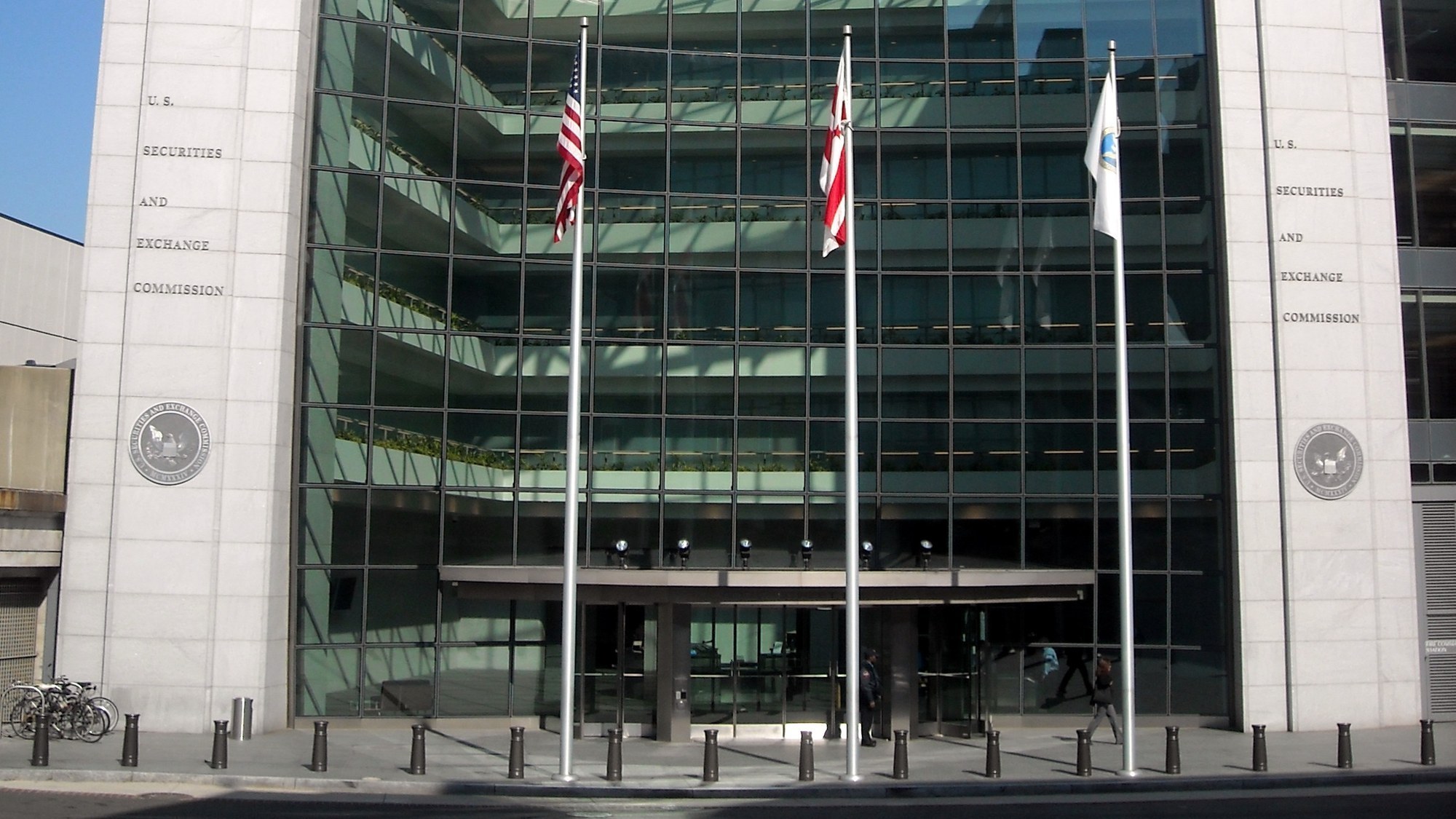
A polished office, a familiar firm name, and a confident recommendation do not establish a financial professional’s record. A free public search can reveal registration status and warning signs before retirement savings are transferred or an advisory agreement is signed. The information is not a verdict by itself, but it gives investors facts that a sales conversation may omit. The most useful review looks at both the existence of disclosures and the context, dates, outcomes, and patterns behind them.
Free retirement updates: Want plain-English help keeping more of your money in retirement? The free Retirement Shield newsletter covers scams, benefits, and money many retirees may be owed, a couple times a week. Subscribe free.
What BrokerCheck can reveal
The Securities and Exchange Commission’s Investor.gov explains that FINRA’s BrokerCheck can show whether a broker has been named in customer complaints, entered bankruptcy proceedings, faced regulatory investigations, or been subject to industry discipline. The official BrokerCheck guide also identifies criminal cases, investment-related civil matters, unpaid judgments or liens, and terminations following allegations of misconduct among the reportable categories.
The database also supplies ordinary background facts: current employer, ten-year employment history, licenses, registrations, and qualification exams. Those details help detect résumé inconsistencies and confirm whether the person is registered for the role being offered. A professional who appears in advertising under a nickname can be searched by legal name or registration number.
Why a disclosure is a lead, not a verdict
FINRA says a BrokerCheck report’s disclosure section can contain customer disputes, disciplinary events, and certain criminal or financial matters. It also warns that some entries involve pending actions or allegations that have not been proven. A denied complaint and a final regulatory order are different, so the status and resolution field should be read closely. The source of BrokerCheck information is the securities industry’s registration and licensing database. Reports can include comments submitted by the professional, firm history, and links to related records. A pattern of similar complaints over a short career can carry a different risk signal than one old complaint that was dismissed, but neither should be interpreted without reading the underlying entry.
Who should check the record
The check matters before opening a brokerage account, rolling a workplace plan into an IRA, buying an annuity or other security, or giving a professional authority to trade. Retirees can be particularly exposed when a salesperson uses a “senior specialist” title that sounds official. A designation does not replace registration, background review, or an explanation of compensation and conflicts.
BrokerCheck primarily covers brokers and brokerage firms. Investment advisers are generally researched through the SEC’s Investment Adviser Public Disclosure system, and Investor.gov’s background-check portal explains how IAPD and BrokerCheck route different registrations. State securities regulators may hold additional records. The search should follow the function the professional actually performs, not only the title on a business card. A person can be registered in more than one capacity, making both records relevant to a proposal that combines brokerage transactions and ongoing advice.
What to verify before transferring money
The prospective client should save the report, confirm the person’s current firm and office address, and compare the registration with the product being recommended. Any disclosure should prompt specific questions: What happened? Was money paid? Was the matter denied, settled, dismissed, or adjudicated? Has a regulator imposed supervision, suspension, or a bar? The SEC’s broader background-check guidance notes that registered professionals generally must disclose certain complaints, lawsuits, arbitrations, regulatory actions, employment terminations, bankruptcy filings, and other proceedings. Fees, conflicts, disciplinary history, and custody arrangements should be checked before forms are signed. Money should move only to an account titled at a recognized custodian, never to the individual professional personally.
Red flags outside the report
A clean report is not a guarantee. Imposters can use the name and registration number of a real professional, so contact information should be verified through the firm’s official website or a regulator’s record. Pressure to act immediately, promises of unusually steady returns, requests for secrecy, and instructions to wire money to an unfamiliar entity require independent confirmation.
The receiving account is a second identity test. Its legal owner and custodian should match the firm relationship shown in the regulatory records, and the transfer instructions should arrive through a channel already verified. A request to make a check payable to the professional, send assets to an unrelated company, or use a personal email for signed forms breaks that chain. The client should call the firm’s main number from the official record and confirm both the representative and the destination before authorizing a rollover.
Changes after the relationship begins also matter. Reports can be checked again when the professional changes firms, recommends a major rollover, or asks for new account authority. A dated reminder to rerun the search annually makes that review part of account oversight instead of a one-time hiring exercise. Any new disclosure should be compared with the saved baseline and discussed through the firm’s verified compliance channel.
Statements should come from the custodian and be reviewed independently. A professional who discourages access to statements or refuses to explain fees is creating a control problem even without a public disciplinary entry. Trade confirmations, withdrawals, beneficiary changes, and new outside-business activities deserve prompt review because they can reveal a risk before it becomes a formal disclosure.
Questions the record should answer
BrokerCheck cannot decide whether a professional is trustworthy, but it can expose facts necessary for that decision. Registration, work history, complaints, financial disclosures, and disciplinary outcomes belong in the due-diligence file before retirement money changes hands. Reading the details, verifying identity, and checking the correct regulator turns a free database into a practical barrier against preventable losses.
The review should establish whether the person is currently registered, which firm supervises the work, where the person is licensed, and whether the proposed activity fits that registration. A gap between the service being sold and the role shown in the record requires explanation before any account is opened. Disclosure dates matter. Several similar customer disputes, repeated firm changes after allegations, or a recent bankruptcy may justify deeper review even when no regulator has imposed a final bar. The dollar amount, product involved, resolution, and professional’s written response should be read rather than reduced to a simple yes-or-no flag.
The completed report should be saved with the proposal, fee schedule, and Form CRS or advisory brochure. Investor.gov’s Ask and Check guide explains that Form ADV describes an adviser’s practices, fees, conflicts, and disciplinary history, while Form CRS summarizes services, costs, conflicts, and disciplinary information. Reading those documents beside the database report can expose a mismatch between the sales pitch and the firm’s filings. The dated snapshot also establishes what was visible when the decision was made and provides a baseline for later changes.
This article was researched and drafted with AI assistance and reviewed against the linked primary sources.
More Financial Reading
- How many CDs can you park at 1 bank? FDIC rules you must know
- What really happens to your joint savings account when you die?