A debit card that works perfectly at the pump can be copied before the tank is even full. Thieves attach small devices to the card readers on gas pumps and ATMs, and a single swipe is enough to lift everything needed to clone the card and start pulling cash out of the account behind it. For a retiree living on a fixed income, a drained checking account is not a minor annoyance — it is missed bills, bounced payments, and days or weeks of fighting to get the money back.
How a card skimmer copies a card in one swipe
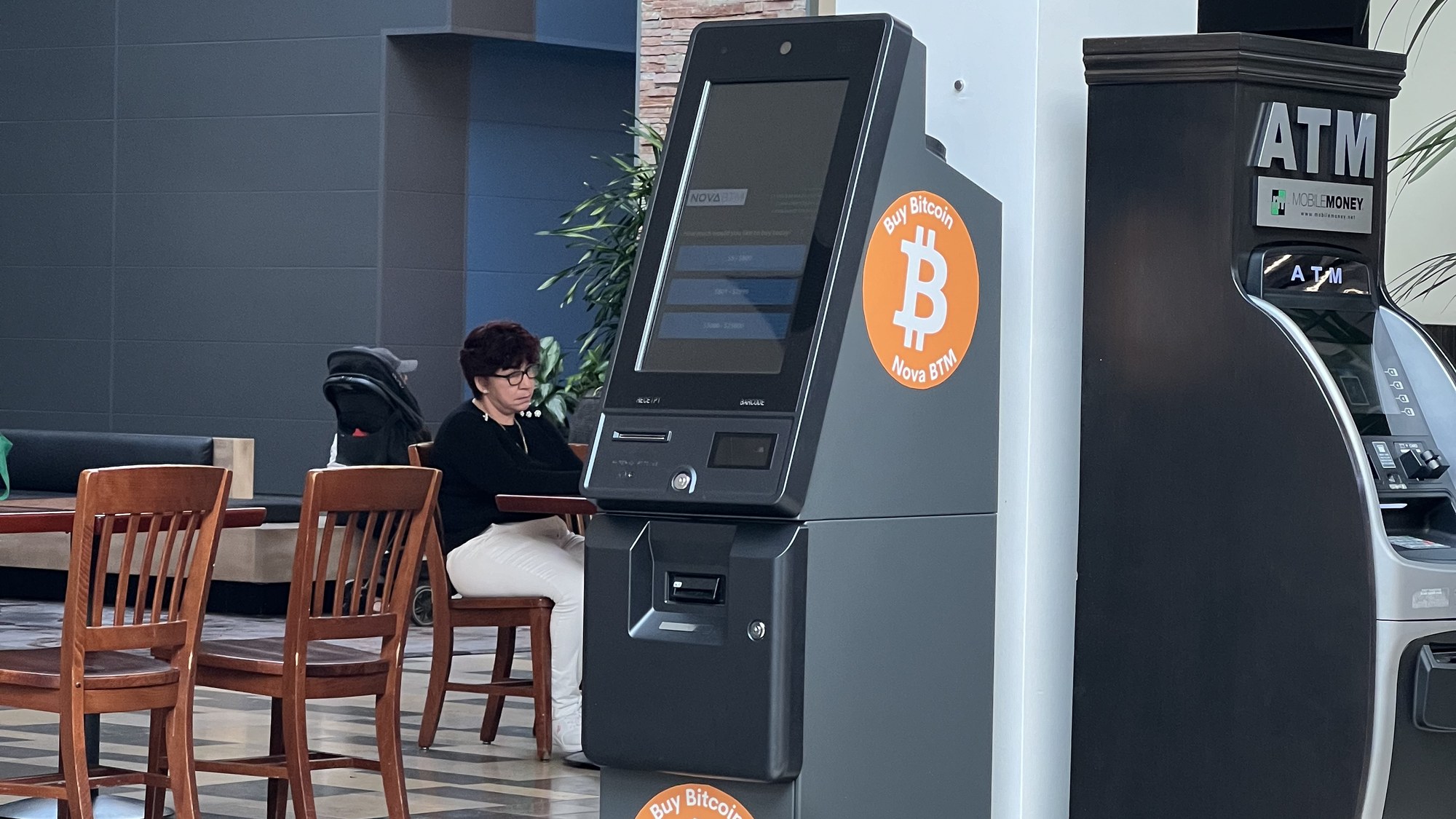
A skimmer is a reader-within-a-reader. Criminals fit a device over the real card slot, or slip one inside it, that captures the data stored on a card’s magnetic stripe as it passes through. That stripe holds the account number and the details a thief needs to make a working copy of the card. Because the pump or machine still functions normally, the transaction goes through and nothing looks wrong at the time.
The stripe alone is often not enough, so skimming rigs usually come paired with a way to grab the PIN. That can be a pinhole camera aimed at the keypad or a thin fake keypad laid over the real one that records each key press. With the card data and the PIN together, a thief can clone the card and withdraw money directly, or sell the information to someone who will. According to the Federal Trade Commission, this combination is exactly what lets a skimming operation turn one quiet swipe into an emptied account.
Free retirement updates: Scam calls targeting retirees change every week. Our free Retirement Shield newsletter flags the ones going around and the one tell that stops each. Sign up free.
Why a debit card at the pump is the riskiest choice
Not every card carries the same danger. A debit card pulls money straight out of a checking account, so a cloned debit card gives a thief a direct line to the cash a household actually lives on. A credit card, by contrast, puts the card issuer’s money at risk first, and federal protections limit a cardholder’s liability for unauthorized charges while a dispute is sorted out. That difference matters most at outdoor terminals like gas pumps, which sit unattended for hours and are a favorite target.
Contactless payment sidesteps the problem entirely. Tapping a card or a phone, or paying inside with the attendant, means the magnetic stripe never runs through a slot where a skimmer could be waiting. Older drivers who prefer to insert or swipe are not doing anything wrong, but that habit is the one a skimmer is built to exploit.
Spotting a tampered reader before inserting a card
Skimmers have to be installed on top of or inside real equipment, which leaves clues. A card slot that feels loose, wiggles, or sticks out further than the panel around it is a warning sign. So is a keypad that sits too high, feels spongy, or looks a slightly different color than the rest of the machine. On gas pumps, many stations place a security seal or tape across the panel that covers the card reader; if that seal is broken or reads “void,” the pump should be avoided.
Location helps too. Pumps closest to the store window and ATMs inside a bank lobby are harder for a criminal to tamper with unseen than a pump at the dark edge of a lot or a standalone machine in a quiet corner. Giving the card reader a firm tug before inserting a card takes a second and can pop a loosely attached skimmer right off.
Shielding the PIN and catching a drained account fast
Because a stolen PIN is what turns copied card data into withdrawn cash, covering the keypad with a free hand while entering it defeats a hidden camera and blocks a shoulder-surfer. That simple move is one the FTC repeats because it works against the most common skimming setups.
Speed matters after the fact. The sooner a fraudulent charge is caught, the sooner it can be reversed, so reviewing bank and card statements often — not once a month — is a real defense, not busywork. Many banks allow account alerts by text or email for every transaction, which can flag a withdrawal in another state within minutes. Anyone who finds a charge they did not make should contact the bank or card issuer right away; federal rules give stronger protection to those who report unauthorized debit-card activity quickly, and waiting can increase how much a victim is left owing.
Reporting a suspected skimmer
A reader that looks tampered with is worth flagging even if no money has been lost. Reporting a suspected skimmer to the gas station or the bank that owns the ATM, and to local police, lets it be removed before it catches the next customer. Reporting fraud to the FTC and disputing charges with the bank creates the paper trail that supports getting stolen money back. For a household that depends on a steady checking balance to cover rent, medicine, and groceries, treating an odd-looking card reader as a real threat is far cheaper than recovering from an account that has already been emptied.
This article was produced with AI assistance and reviewed by The Financial Wire editorial team.
More Financial Reading
- How many CDs can you park at 1 bank? FDIC rules you must know
- What really happens to your joint savings account when you die?