Image Credit: Unknown author

I bonds and Treasury bills now pay far more than the average savings account, which still yields under half a percent.

Enormous sums of retiree savings sit in ordinary bank savings accounts earning almost nothing, even as safe government options pay far more. The national average interest rate on a savings account remains well below half a percent, while Treasury bills and Series I savings bonds have generally paid considerably higher yields. For a saver living…

Read More
Two men writing on notebook counting dollars at home

The Fed is expected to hold rates steady on July 29, keeping the best savings accounts and CDs above 4% for now.

The Federal Reserve meets on July 29, and traders overwhelmingly expect it to leave its benchmark interest rate unchanged. For borrowers that is a familiar holding pattern. For savers, and especially for retirees living on interest from cash, it is the reason the best savings accounts and certificates of deposit are still paying north of…

Read More
Customers in showroom completing credit application purchasing new car

Federal insurance covers only $250,000 per depositor at a bank, so parking more than that in one place can leave the rest exposed if it fails.

Anyone with more than $250,000 sitting in a single bank account faces a straightforward risk: federal deposit insurance will not cover the excess if that institution fails. The FDIC cap applies per depositor, per insured bank, for each account ownership category, and multiple accounts in the same category at one bank are added together before…

Read More
black street light turned on during nighttime

Regulators shut two more credit unions this year, a reminder that only $250,000 of your deposits carries federal insurance.

Two federally insured credit unions were forced into involuntary liquidation within a single month this spring, wiping out institutions in Pennsylvania and Arkansas and putting a sharp focus on the federal deposit insurance cap that protects only $250,000 per individual account. The National Credit Union Administration shut down Copper and Glass Federal Credit Union in…

Read More
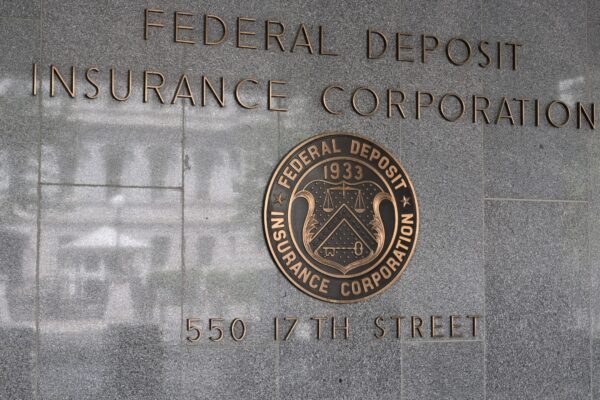
The sign for the Federal Deposit Insurance Corporation mounted on the exterior wall of a building. 550 17th Street NW, Washington, DC 20429.

FDIC insurance covers $250,000 per depositor, and anything above that can vanish if a bank fails

Anyone with more than $250,000 deposited at a single FDIC-insured bank faces a straightforward risk: if that bank fails, the amount above the insurance ceiling is not guaranteed. The 2023 collapse of Silicon Valley Bank in Santa Clara, California, forced regulators to invoke emergency powers to cover uninsured depositors, but that rescue came with a…

Read More
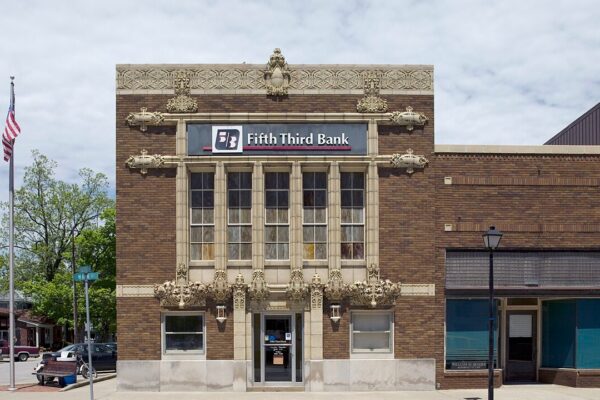
Title: Historic Fifth Third Bank Building, Main Street, Poseyville, Indiana Physical description: 1 photograph : digital, TIFF file, color. Notes: Gift and purchase; Carol M. Highsmith; 2009; (DLC/PP-2010:031).; Credit line: Carol M. Highsmith's America, Library of Congress, Prints and Photographs Division.; Forms part of: Carol M. Highsmith's America Project in the Carol M. Highsmith Archive.; Title, date, and subjects provided by the photographer.

A third U.S. bank has failed this year, and depositors above the $250,000 insurance line are getting back only about half their money

Three U.S. banks have now failed in 2026, and depositors who held balances above the $250,000 federal insurance cap at one of them are facing a painful wait for partial repayment. The January closure of Metropolitan Capital Bank and Trust in Chicago, the May seizure of Community Bank and Trust in LaGrange, Georgia, and the…

Read More