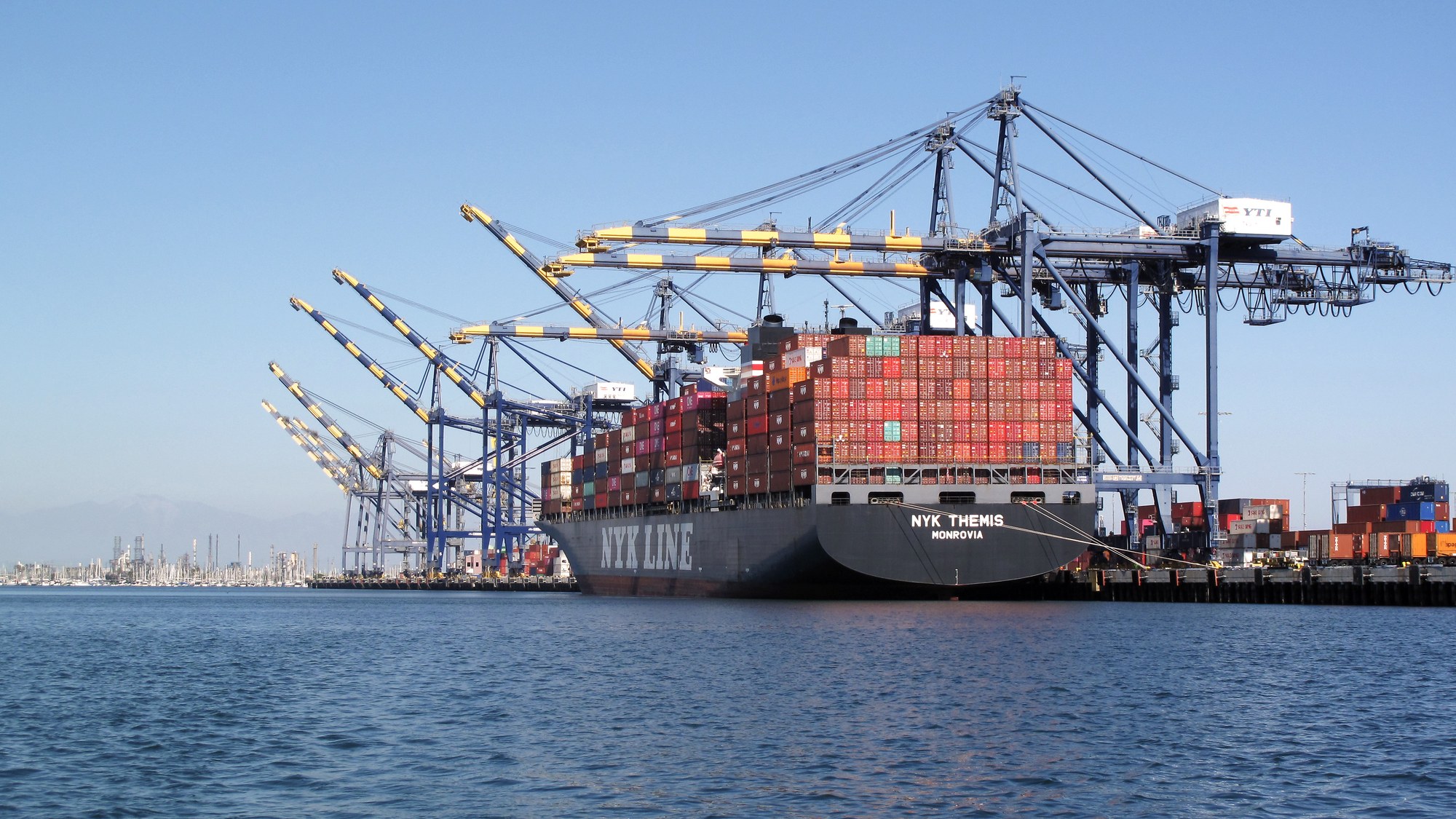
The federal government is in the middle of one of the largest refund operations in U.S. Customs history, returning duties the Supreme Court ruled were collected unlawfully. The catch for anyone who isn’t an importer: the money is going back to the businesses that paid the tariffs at the border, not to the households whose grocery bills, appliance purchases and medical-supply costs absorbed the markup those tariffs created. For an older household living on a fixed income who noticed prices climb over the past two years, the refund program now underway offers no claim form of its own.
What the Supreme Court Actually Struck Down
On February 20, 2026, the Supreme Court ruled 6-3 in Learning Resources, Inc. v. Trump that the International Emergency Economic Powers Act does not give a president the power to impose tariffs. Chief Justice John Roberts wrote that the law’s language “cannot bear such weight” and that “IEEPA contains no reference to tariffs or duties.” The ruling struck down both the “reciprocal” tariffs imposed on imports from nearly every country and the separate tariffs on Chinese, Canadian and Mexican goods tied to fentanyl trafficking. Tariffs imposed under other statutes, such as Section 232 of the Trade Expansion Act, were not affected. Notably, the majority opinion did not order refunds, and Justice Brett Kavanaugh warned in dissent that unwinding the payments “may be required” and could prove to be a mess, since “some importers may have already passed on costs to consumers or others.”
Free retirement updates: One number can cost or save hundreds a month in retirement. The free Retirement Shield newsletter surfaces the ones worth knowing. Sign up free.
CBP’s Refund Portal Pays the Importer of Record, Not the Consumer
Customs and Border Protection responded by standing up an electronic claims system called CAPE — Consolidated Administration and Processing of Entries — inside its Automated Commercial Environment portal, which began accepting claims on April 20, 2026. An importer or its customs broker submits a declaration listing entry numbers where the now-invalid duties were paid, and CBP consolidates the refund, plus interest, into a single payment. In court filings cited in an Associated Press report the day the system launched, CBP said more than 330,000 importers had paid a total of about $166 billion in duties across upwards of 53 million shipments — the pool of money now working its way back through the CAPE process.
The Rule That Leaves Households Out
The eligibility line is explicit and narrow. The same AP report states plainly that “Consumers, who faced higher prices on imported goods, are not eligible to submit claims,” because the refund system only recognizes the importer or broker who remitted the duty to CBP directly — not the retailer’s customer three or four steps down the supply chain. Tariffs function as a tax collected at the border, and companies typically pass some or all of that cost forward through higher shelf prices; when the tax is later ruled unlawful, only the party that wrote CBP the original check has a formal channel to get it back. “The CAPE system will refund tariffs directly to the businesses that paid them, which are not obligated to share the proceeds with customers,” the report notes, meaning a company can pocket its refund without ever adjusting the price a shopper already paid.
Where a Consumer’s Money Might Still Show Up
A narrow set of exceptions could still put a refund in an individual’s hands. Delivery companies such as FedEx, which collected tariffs directly from some customers rather than folding the cost into a retailer’s price, have said they intend to pass CBP’s refunds back to those customers once received. Separately, class-action lawsuits against retailers including Costco and Ray-Ban’s parent company are moving through the courts, seeking to force companies to share refunded tariff money with the shoppers who paid the marked-up prices. Neither route is guaranteed, automatic or fast, and CBP’s own processing timeline for an approved importer claim runs 60 to 90 days before a check goes out — with the first phase of the refund system limited to a subset of eligible entries.
A Refund System Built Entry by Entry, Not Household by Household
CBP’s phased rollout means even eligible importers are working through a claims process that could stretch across months, let alone a mechanism for the tens of millions of individual purchases that carried a struck-down tariff somewhere in the price. For now, the money set aside for this refund effort is being tracked, verified and returned one importer declaration at a time — a process with no equivalent form, portal or claim number for the person who paid the marked-up price at checkout.
Four dates on a settlement notice
Only one of them is the deadline that matters, and the other three are what make people miss it.
The Settlement & Refund Recovery System includes a 36-page guide, a 5-tab Excel tracker pre-filled with all 51 state unclaimed-property offices and the four-date rule for reading a settlement notice.
See the four-date rule in The Settlement & Refund Recovery System.
This article was produced with the assistance of AI and reviewed by The Financial Wire editorial team.