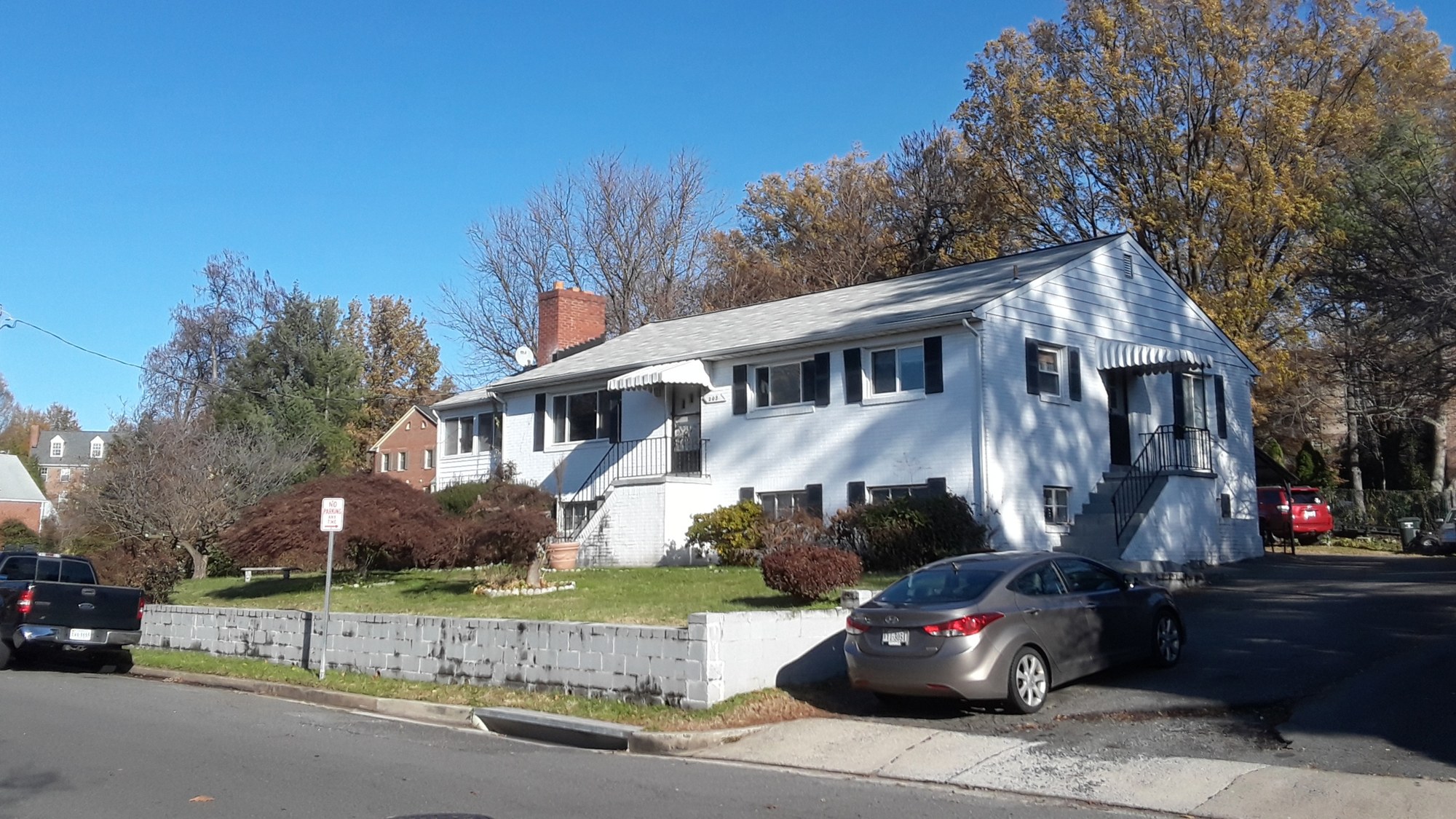
Paying off a mortgage is supposed to be the moment housing costs finally ease. Yet for many retirees the check to the bank was never the whole bill. Property taxes, insurance, utilities, and upkeep keep arriving every year regardless of whether a dollar is still owed on the loan, and on a fixed income those recurring costs can quietly claim a larger and larger share of the monthly budget. Moving to a smaller, less expensive home is one of the few levers that lowers all of them at once.
The costs that don’t stop when the mortgage does
A home carries expenses that have nothing to do with the mortgage balance. Property taxes are typically assessed on the value of the house, so a larger or higher-valued home means a larger bill year after year, and in many areas those assessments have climbed as home values rose. Homeowners insurance premiums scale with the cost to rebuild and replace, and both have risen sharply in regions exposed to storms, wildfire, and flooding. Utilities — heating, cooling, water, and power — track the square footage that has to be kept lit and comfortable. And maintenance, from a new roof to a failing furnace to routine repairs, tends to grow with the size and age of the property. None of these bills disappears when the mortgage is paid off; several of them tend to rise over time.
Building a realistic picture of those ongoing costs is a core part of retirement budgeting, something the Consumer Financial Protection Bureau’s planning-for-retirement resources are designed to help households map out. The point that often gets missed is that carrying costs are not fixed features of retirement; they are largely a function of the home itself. That means they can be changed by changing the home, which is precisely what makes downsizing such a direct lever on a strained budget.
Free for readers: One number can cost or save hundreds a month in retirement. The free Retirement Shield newsletter surfaces the ones worth knowing. Sign up free.
How a smaller home changes the monthly math
Downsizing attacks every one of those line items at the same time. A smaller home, especially one in a lower-tax jurisdiction, can cut the annual property-tax bill outright. A less expensive house generally costs less to insure because there is less value to replace. Fewer rooms and less square footage mean lower heating and cooling costs and less space to clean, repair, and eventually renovate. A newer or better-maintained property can also shrink the unpredictable repair bills that hit hardest on a fixed income. None of these savings is dramatic on its own, but together they can reshape a monthly budget, and unlike a one-time windfall they repeat every single year for the rest of a retirement. For a household living on Social Security and a fixed pension, trimming several recurring costs at once can be the difference between a budget that strains and one that holds — and the savings compound over a retirement that may last decades. Insurance is a particularly sharp example: as premiums have surged in many states, a household in a large or older home can face four-figure annual increases, while a smaller, newer, or better-protected property often carries a materially lower premium for the same coverage. Shaving even a few hundred dollars a month across taxes, insurance, and utilities frees cash that can go toward groceries, medications, or simply staying ahead of the next unexpected bill.
Freeing up equity from the move
A move can also convert equity into savings. Selling a larger home and buying a smaller one often leaves cash left over, which can bolster an emergency fund or an income cushion. Sellers should be aware of how the profit is taxed: the IRS lets many homeowners exclude a substantial portion of the gain on the sale of a primary residence from capital-gains tax, as outlined in its guidance on selling a home, provided ownership and use tests are met. That rule can shelter much of the gain for a longtime owner. Still, the capital-gains break is a one-time event tied to the sale; the larger and more durable benefit of downsizing is the lower cost of living in the new home, felt month after month long after the closing.
What to weigh before selling
Downsizing is not free, and the decision is rarely only financial. Real-estate commissions, closing costs, and moving expenses take a bite out of any equity freed up, and a smaller home may mean leaving a familiar neighborhood, a support network, or proximity to family and doctors. Some retirees find that a move across county or state lines changes their tax picture and insurance costs far more than the change in square footage alone, for better or worse. It is also worth checking whether staying put could lower costs instead: many localities offer property-tax relief or homestead exemptions for older homeowners that go unclaimed. Running the actual numbers — the current annual carrying costs against the projected costs of a specific smaller home, net of the expenses of moving — turns a vague sense that “smaller is cheaper” into a concrete figure a household can act on with confidence. Timing matters too. Selling into a strong local market and buying something smaller can maximize the equity freed up, while a rushed move made under financial strain often leaves money on the table. For some, renting after a sale removes maintenance and property-tax worries altogether, though it trades ownership for a monthly payment that can itself rise.
The bottom line
For older homeowners feeling the squeeze of a fixed income, the recurring costs of the house are often the largest controllable expense within reach. A paid-off mortgage does nothing to lower property taxes, insurance, utilities, or upkeep, but a smaller and less expensive home lowers all four at once, and does so year after year. Weighed honestly against the costs and disruption of moving — and against relief programs that might ease the burden of staying — downsizing can free up both monthly cash flow and trapped equity. It is a rare retirement decision that eases the budget on an ongoing basis rather than just once.
Free for readers: For plain-English help keeping more money in retirement, the free Retirement Shield newsletter covers scams, benefits, and money owed, a couple times a week. Subscribe free.
This article was researched and drafted with AI assistance and reviewed against the linked primary sources.