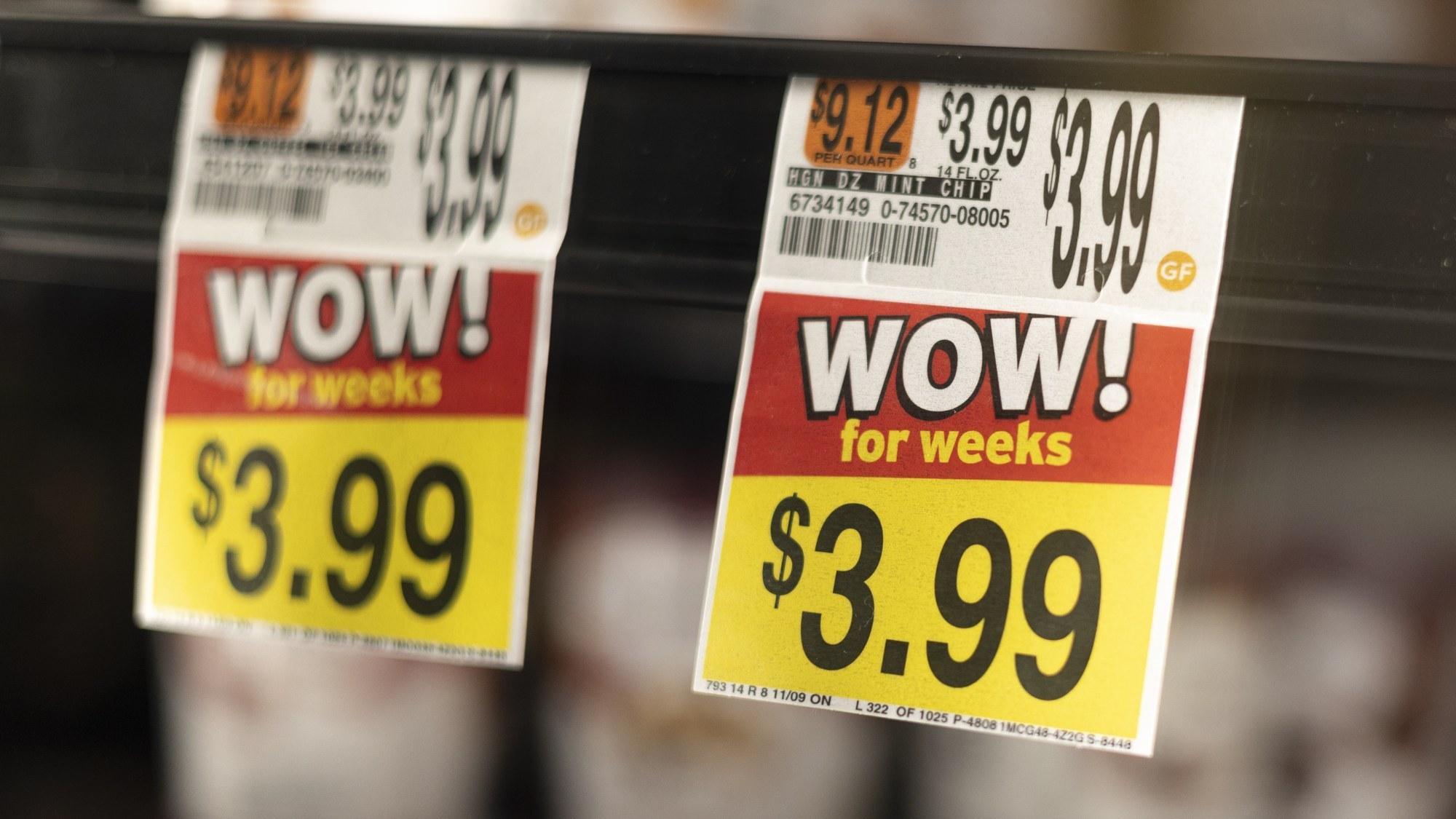
A year ago, roughly one in five Americans said they would consider buying an electric vehicle. Now the number is closer to one in four, and the reason is showing up on gas station price signs across the country.
Consumer interest in EVs has climbed to 24 percent, according to Cox Automotive’s Q1 2026 Consumer Sentiment Survey, a rolling poll of prospective car buyers whose topline results the company shared in early 2026 without publishing a full methodology, sample size, or geographic breakdown. That is up from approximately 18 percent when the company ran similar polling in 2022, and it represents the highest consideration level the firm has recorded. The jump tracks closely with fuel costs: the U.S. Energy Information Administration’s weekly gasoline price tracker showed national averages above $3.50 a gallon through much of early 2026, while drivers in Los Angeles, Seattle, and other West Coast metros were routinely paying north of $4.00.
Cox Automotive, whose Kelley Blue Book and Autotrader brands make it one of the most-cited sources in the car business, surveys prospective buyers on a rolling basis and publishes sentiment data that dealerships and manufacturers use to shape inventory and incentive decisions. When its numbers move this sharply, product planners notice.
Why gas prices are only part of the story
Expensive fuel has nudged Americans toward efficient vehicles before. It happened during the 2008 oil spike and again when prices surged in 2022. The difference now is that shoppers have far more electric options to choose from. The Department of Energy’s fueleconomy.gov vehicle listings include a growing number of battery-electric and plug-in hybrid models spanning pickups, SUVs, sedans, and subcompacts, with several entry-level EVs priced below $30,000 before incentives. (The original article cited “more than 100” such models; Cox Automotive and fueleconomy.gov have not published a single verified count for spring 2026, so the exact figure remains unconfirmed.)
Those incentives remain substantial. The Inflation Reduction Act’s clean vehicle tax credit still offers up to $7,500 off qualifying new EVs, and a separate credit of up to $4,000 applies to eligible used electric cars. Together, the credits shrink the sticker-price gap between electric and gas-powered models at exactly the moment fuel savings look most compelling.
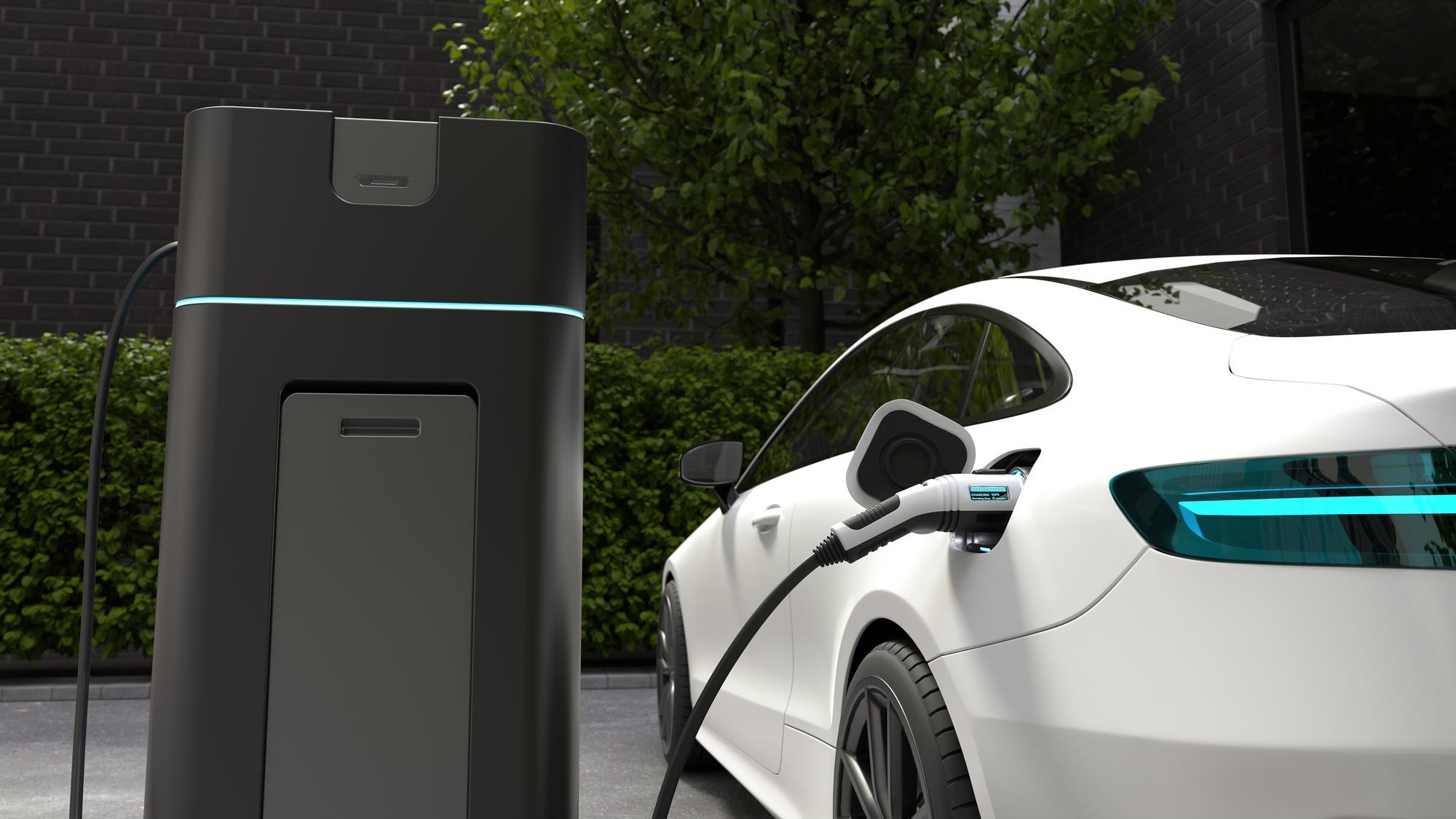
Charging access has improved as well. The Department of Energy’s Alternative Fuels Station Locator counted more than 190,000 public charging ports across the U.S. as of early 2026, a total that continues to grow as federal NEVI (National Electric Vehicle Infrastructure) funding flows to states building out highway fast-charging corridors.
What the 24 percent figure does and does not tell us
Cox Automotive’s number captures stated interest, not confirmed purchases, and that distinction matters. The pool of respondents who say they are “considering” an EV includes everyone from a driver actively configuring a Tesla Model Y online to someone who simply answered “yes” when asked whether they would think about going electric. Because Cox has not released the full methodology, sample size, or geographic breakdown behind this particular data point, the figure should be read as a directional signal rather than a precise forecast.
The direction, though, is hard to dismiss. A climb from the mid-to-high teens to 24 percent suggests electric vehicles are migrating off early-adopter shopping lists and onto mainstream ones, even if many of those shoppers ultimately land on a hybrid or a fuel-efficient gas car.
Actual sales data supports the broader trajectory. Battery-electric vehicles accounted for roughly 8 to 9 percent of new-car sales in the U.S. through late 2025 and into early 2026, according to registration figures tracked by Cox’s Kelley Blue Book division and corroborated by Motor Intelligence. That is still a single-digit slice of the market, but the share has grown for several consecutive quarters.
Regional dynamics and the affordability question
Not every driver feels the same squeeze at the pump. EIA data consistently shows California, Washington, and other West Coast states paying the highest gasoline prices in the country, often a dollar or more above the national average. Those same states lead in EV adoption, a pattern driven not only by fuel costs but also by stricter emissions rules, denser charging networks, and generous state-level purchase rebates.
In the Gulf Coast and parts of the Midwest, where gas tends to run cheaper, EV interest has historically lagged. Whether the current price environment shifts that calculus in lower-cost fuel regions is one of the questions the aggregate 24 percent figure cannot answer on its own.
Other cost pressures complicate the picture. Auto loan rates remain elevated compared with pre-2022 levels, which raises monthly payments on any new vehicle and can blunt the fuel-savings argument for buyers financing an EV. Trade policy adds uncertainty, too: tariffs on imported vehicles and battery components sourced from Asia have been a recurring concern for automakers, and any increase in the landed cost of an EV could erode the savings buyers expect from skipping the gas station.
What automakers and buyers are watching next
For manufacturers, the Cox data reinforces a planning assumption most have already baked into their product pipelines: EV demand will keep growing, but the pace hinges on variables they cannot control, from crude oil prices to the fate of federal tax credits to the cost of borrowing. General Motors, Ford, Hyundai, and a growing number of brands with Chinese-affiliated supply chains are all expanding their U.S. electric lineups, betting that the gap between consideration and purchase will narrow as sticker prices fall and public charging becomes more reliable.
For drivers weighing their next purchase, the calculus is more immediate. Gasoline is one of the few ownership costs that changes visibly every week, and when those numbers climb, a vehicle that never needs a fill-up starts to look like more than a novelty. The 24 percent figure Cox recorded does not mean a quarter of the country will buy an EV this year. It does mean that electric vehicles have moved squarely into the consideration set for a large and growing share of American car shoppers, and that high gas prices are accelerating the shift.