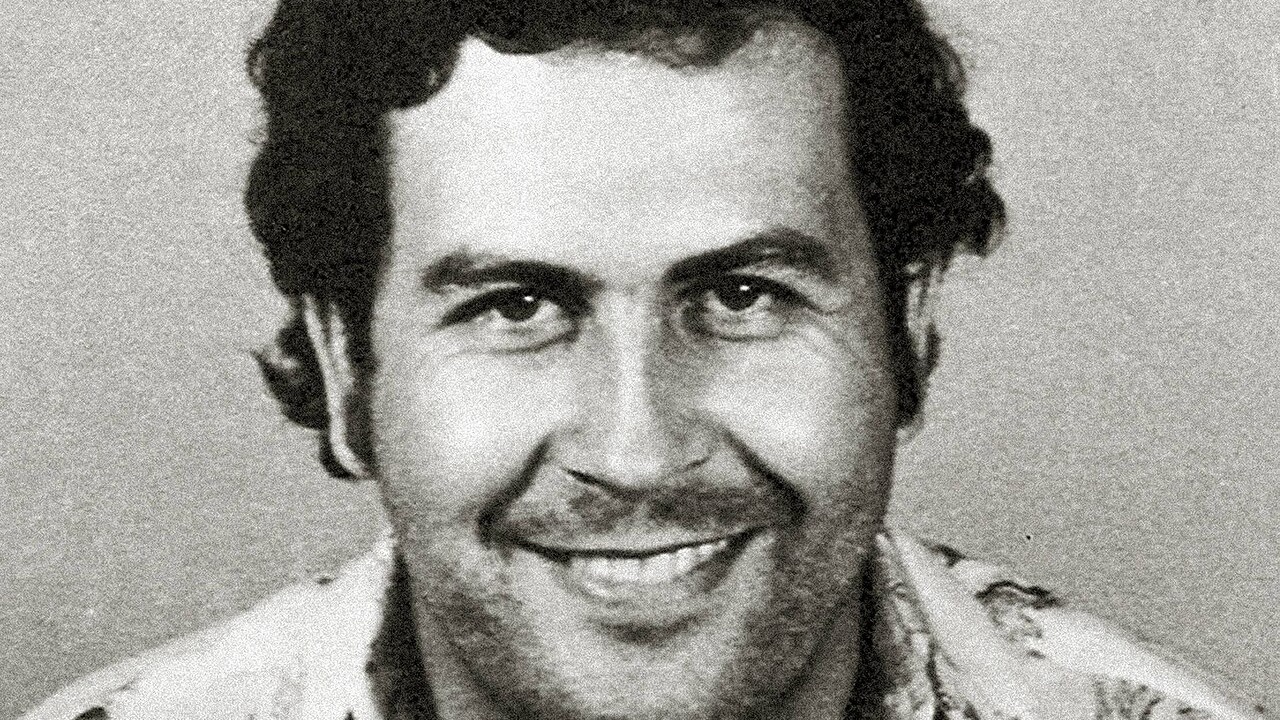
The products carried a notorious name and a promise of spectacle: Pablo Escobar-branded flamethrowers and foldable smartphones. Federal prosecutors say the advertised products did not exist, leaving purchasers with losses instead of merchandise. A federal judge has now imposed four years in prison and ordered $1,300,193 in restitution.
The brand license created a convincing sales hook
Olof Gustafsson, a Swedish businessman, licensed rights connected to the late Colombian drug lord’s name and used the Escobar brand to market consumer products online. The unusual association helped the offers spread far beyond an ordinary electronics promotion.
The Central District of California’s July 31 sentencing announcement says buyers paid for flamethrowers and foldable phones that did not exist. The court sentenced Gustafsson to 48 months and ordered restitution of $1,300,193.
Free retirement updates: Scam calls targeting retirees change every week. Our free Retirement Shield newsletter flags the ones going around and the one tell that stops each. Sign up free.
A famous name is not evidence of inventory
Branding can make a seller feel established even when the underlying supply chain is invisible. A celebrity, historical figure or licensed trademark may be real while the warehouse, prototype and delivery promise are not.
Buyers considering an unfamiliar product can separate those questions: who owns the brand, who processes payment, where the product is manufactured, whether independent reviewers received working units and whether the merchant discloses a verifiable business address. A dramatic launch video answers none of them.
Card disputes run on deadlines
A purchaser who never receives merchandise should contact the card issuer quickly and preserve the order confirmation, promised shipment date, tracking record and communications. Waiting for repeated excuses can consume dispute rights.
The FTC’s recovery guidance for scam victims explains how the payment method changes the response. Credit-card users can dispute charges; debit, wire, payment-app and cryptocurrency transfers each require different contacts and may be harder to reverse.
Restitution does not make recovery immediate
The court’s $1.3 million order establishes what Gustafsson owes victims. It does not mean every purchaser receives a full check immediately, because distribution depends on assets collected and the administration of the criminal judgment.
The Justice Department’s restitution process guide says victims should keep contact information current and may receive payments as funds are recovered. Restitution is enforceable financial accountability, but it is not the same as an insured refund.
Impersonators may exploit the completed case
Public restitution orders create an opening for recovery scams. Someone who knows the case name and amount may claim to represent a court, administrator or tracing service and demand a fee to release money.
Victims should verify any communication through contact details obtained from the court or Justice Department, not the incoming message. Federal officials do not require gift cards or cryptocurrency to deliver restitution. A suspicious approach can be filed at ReportFraud.ftc.gov.
The financial defense is verification before fascination
Novel products create pressure to buy before reviews, supply records and normal retail protections exist. Limited-edition language and notorious branding can intensify that pressure while providing no additional evidence that an item can ship.
A credit card, documented delivery promise and independent seller research preserve more options than an irreversible payment. The Escobar products attracted attention because they sounded unbelievable; the court record shows why that instinct should trigger verification rather than urgency.
Preorders deserve particular caution because a delayed product can look identical to a nonexistent one for months. Buyers should save the original delivery representation, note any date changes and compare the merchant’s refund terms with the card network’s dispute deadline. A seller cannot extend a consumer’s statutory or contractual dispute window merely by continuing to promise shipment.
Resale hype is another warning sign. A pitch that emphasizes scarcity or future collector value shifts attention away from production evidence and toward fear of missing out. For retirement savers, that is a poor exchange: cash leaves a protected account or credit line for an illiquid claim on an unproven product. Independent evidence of manufacturing and delivery should precede any speculation about resale value.
The restitution order documents the financial scale after conviction, but prevention operates earlier. A buyer who cannot verify inventory can wait; a genuine product will eventually produce ordinary evidence such as deliveries, warranty support and reviews from people outside the seller’s network. The absence of that evidence is itself information, especially when the marketing story is more developed than the merchandise.
Older buyers should also consider whether a purchase needs access to a primary checking account. A credit card with alerts and a limited balance isolates the transaction from retirement deposits and recurring bills. If the merchant demands a wire, cryptocurrency or friends-and-family payment to avoid ordinary consumer protections, the payment method reveals more about the risk than the brand story does.
Evidence should be collected before a website disappears. Screenshots of product descriptions, refund terms and promised dates can support a card dispute or report, as can the original URL and receipt. Social posts may be edited after complaints begin, so a saved copy is more useful than memory.
This article was researched and drafted with AI assistance and reviewed against the linked primary sources.
More Financial Reading
- Adding someone to your bank account: tax traps and smart moves
- Bank statements: how long to keep them and when to toss them