Federal prosecutors rolled out 17 fraud cases across seven Southern states this week, tying the defendants to more than $350 million in intended losses. The Justice Department presented the sweep as the first payoff from new data-sharing deals with state governments, and many of the alleged schemes hit the same benefit programs that older Americans and their families lean on. Everyone named has been charged, not convicted, and remains presumed innocent until proven guilty.
A coordinated sweep across seven states
The cases reach across Alabama, Florida, Georgia, Louisiana, Mississippi, North Carolina and South Carolina. Rather than a single indictment, they are a batch of separate prosecutions announced together to signal a shift in how fraud gets caught: state agencies feeding corporate-registration and benefits-payment data to federal investigators so shell companies and layered money trails are easier to unwind.
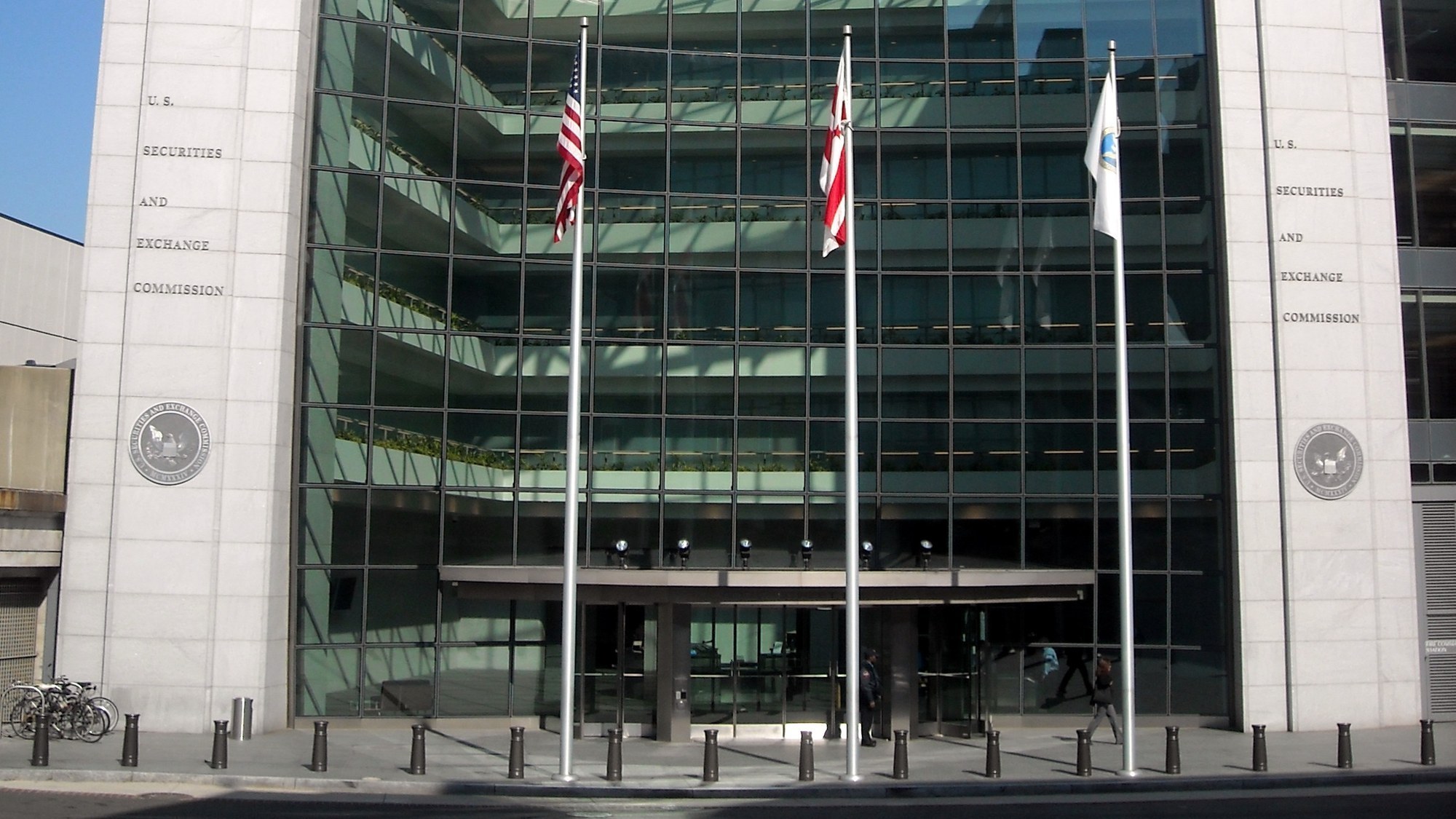
The Justice Department’s National Fraud Enforcement Division announced the 17 cases on July 30, alongside new data-sharing agreements with the seven states and fresh federal-state task forces in North Carolina, Mississippi and Florida. The division itself is new, created in April 2026 to concentrate on fraud aimed at public money and, by extension, the taxpayers who fund it.
Free retirement updates: Scam calls targeting retirees change every week. Our free Retirement Shield newsletter flags the ones going around and the one tell that stops each. Sign up free.
The alleged schemes hit SNAP, Medicaid, housing and tax dollars
The charged conduct clusters around programs that support lower-income and older Americans. In South Carolina, prosecutors describe more than $20 million in Medicaid fraud claims uncovered through an operation state officials called Operation Border Wars. In Florida, a former manager of the Tallahassee Housing Authority is accused of using former tenants’ personal information to divert federal rent subsidies, while a separate Miami case alleges nearly $20 million in fraudulent food-stamp transactions run through a single convenience store.
Tax fraud runs through several cases. An Alabama tax preparer is accused of filing thousands of returns claiming baseless energy tax credits, a scheme prosecutors put at nearly $70 million in loss, and a North Carolina return-preparation business owner pleaded guilty to a conspiracy claiming fraudulent COVID-19 tax credits worth close to $25 million. Others involve small-business disaster loans and unemployment benefits diverted through stolen or fabricated identities.
The list runs longer than any single program. In Louisiana, prosecutors describe a health care fraud conspiracy that submitted roughly $174 million in fraudulent Medicare claims for medically unnecessary genetic testing, tests that gave patients no real answers while billing taxpayers. In Georgia, a former housing-authority official is accused of steering nearly $3 million to a contractor for work that was never done, with the proceeds spent on custom jewelry, luxury vehicles and real estate. A North Carolina wire-fraud case turned on food-stamp benefits stolen from families across several states; one victim reported that her monthly grocery run was declined at the register because criminals had already drained her account, leaving her unable to buy food or school supplies.
Why benefit fraud reaches a retiree’s finances
The victims in these files are usually taxpayers and the programs themselves, not the fraudsters’ direct targets, but the damage flows downhill. Medicaid pays for long-term care and nursing-home stays that a large share of older Americans eventually depend on, and money siphoned through fake billing is money that does not reach real patients. When identities are stolen to file false unemployment or loan applications, the people whose Social Security numbers get used can spend months untangling accounts they never opened.
The exposure is personal as well as fiscal. Several of the charged schemes ran on stolen identities, from former tenants’ information used to claim housing subsidies to Social Security numbers and other data fed into false loan and unemployment filings. An older person whose identity surfaces in one of these operations can end up fighting to prove they never applied for a benefit or a loan, a process that can stall legitimate claims and drag on for months even though they were never the intended target of the theft.
Large losses also invite tighter verification on the honest side of the ledger. Anti-fraud analysts tracking the sweep noted that the $350 million figure counts intended losses, the amount the schemes aimed to steal, which is how enforcement agencies size a threat before the final court-ordered restitution is known. Bigger intended-loss numbers tend to push agencies toward more documentation checks, longer processing, and closer scrutiny of the beneficiaries who did nothing wrong.
Where the cases stand now
An indictment, information or complaint is an allegation, and each defendant is entitled to a trial. Some of the 17 matters are early-stage charges, while others reflect guilty pleas already entered; one Mississippi case is not set for trial until February 2027. Restitution and forfeiture amounts, where they apply, will be fixed by the courts as the cases move.
Alongside the charges, officials unveiled the machinery meant to catch the next wave earlier. State secretaries of state and treasurers agreed to share corporate-registration and benefits-payment records with federal investigators, and prosecutors announced new joint task forces in North Carolina, Mississippi and Florida. The pitch is that combining state business data with federal enforcement lets agents spot shell companies and suspicious payment patterns before the money is gone, rather than tracing it after it has already been spent on the cars, jewelry and travel that recur throughout the case files.
The National Fraud Enforcement Division framed the announcement less as a finish line than as a template, saying the state data-sharing agreements are meant to let investigators spot patterns across business entities and benefit payments before the money is gone. The department said it wants every state to build similar partnerships, which suggests the model behind this week’s Southern sweep is what older readers can expect to see repeated in other regions.
This article was researched and drafted with AI assistance and reviewed against the linked primary sources.
More Financial Reading
- How many CDs can you park at 1 bank? FDIC rules you must know
- Adding someone to your bank account: tax traps and smart moves