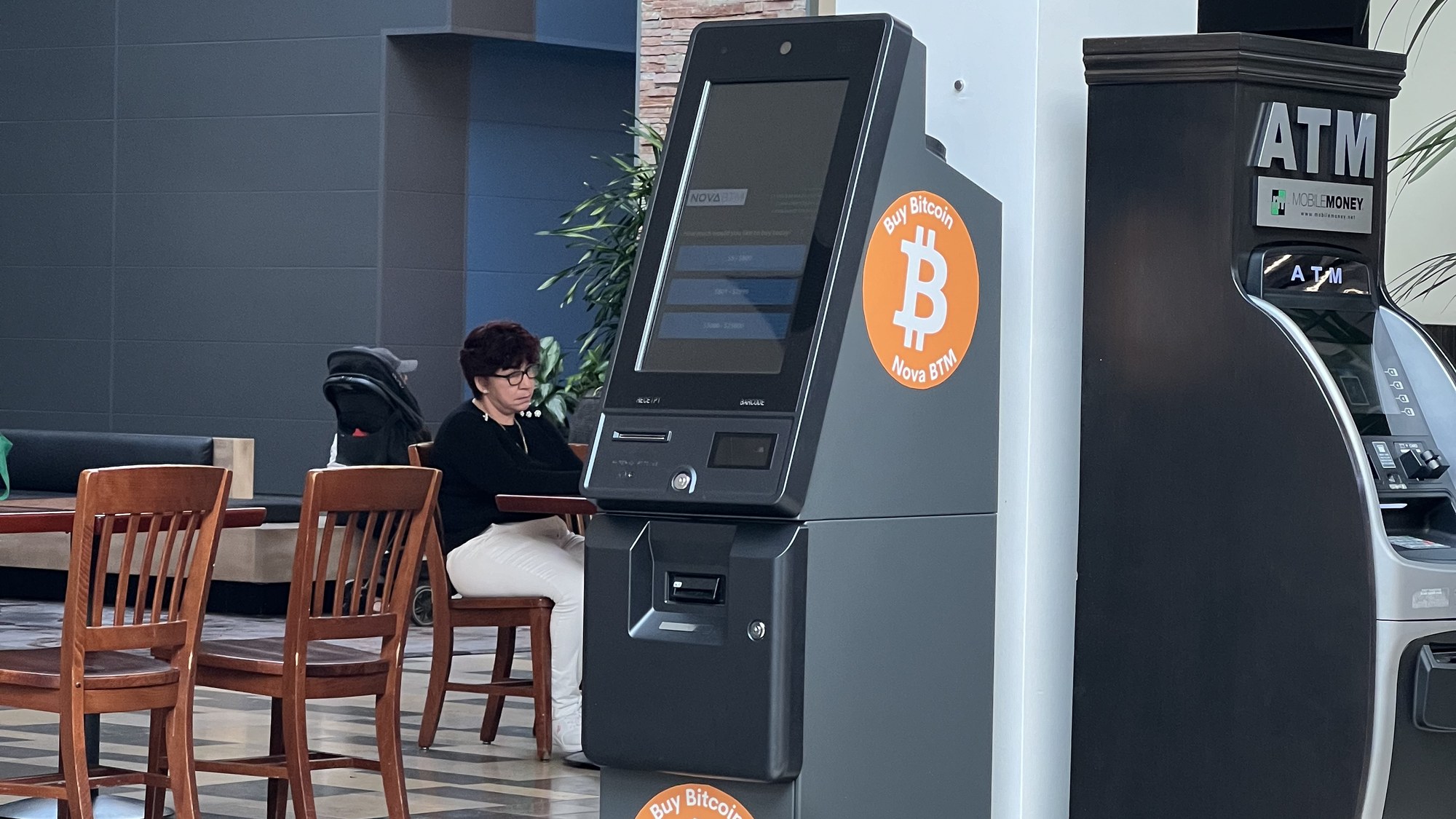
A cache of cryptocurrency worth more than $25 million is now frozen while federal prosecutors try to claw it back for victims of online investment and romance scams. The money was traced through the kind of long-con fraud that increasingly drains older Americans, in which a stranger builds trust over weeks or months, shows fake investment gains, then vanishes with everything. Because this is a civil forfeiture case, a judge still has to rule before the funds can be returned.
Five complaints, thousands of victims, one frozen pile of crypto
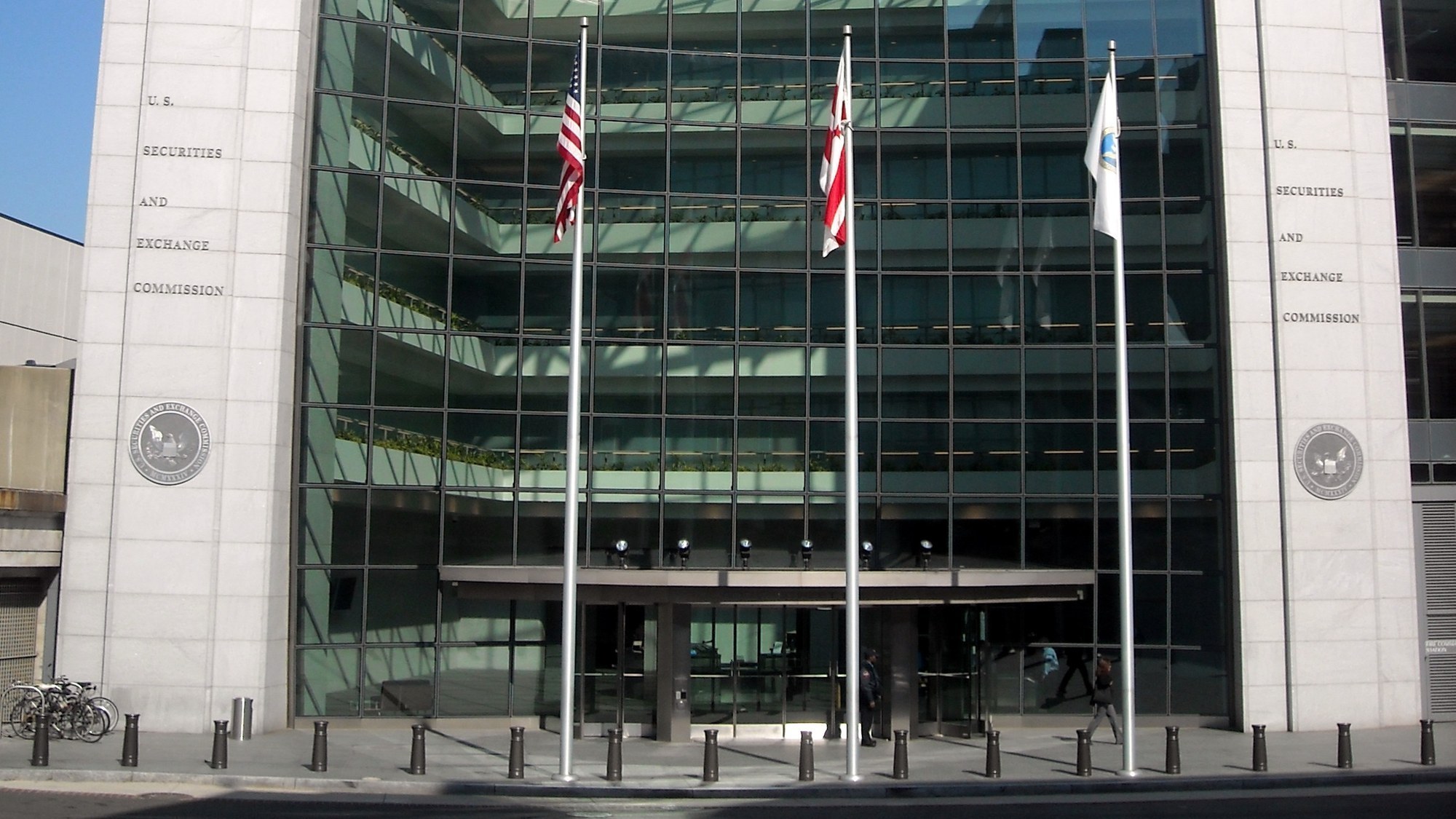
The U.S. Attorney’s Office for the District of Columbia, working with the Secret Service, filed five civil forfeiture complaints seeking to recover the digital currency. The seizures grew out of separate investigations by the Secret Service’s Cyber Fraud Task Force, which identified multiple money-laundering networks and confirmed victims across the United States and Canada.
According to the Justice Department’s July 21 announcement, the five cases range from a single complaint seeking about $10.4 million tied to more than 270 suspected victim transactions to a romance-scam matter involving over 200 victims and roughly $12 million. In one case, investigators traced the laundered proceeds through hundreds of intermediary crypto addresses where they had been mixed with other victims’ funds to hide the trail.
The remaining complaints reach smaller sums but the same playbook. One grew from a victim in the Washington region who reported a fraudulent investment platform in the spring of 2026, only to have the operators cut off contact after the victim tried to withdraw. Another traced millions in cryptocurrency a victim had moved into what they believed was a legitimate account, later linked to a second victim on the same fake platform. The tips came from foreign law enforcement, private-sector partners and the victims themselves, and each thread led investigators back to the same kind of laundering network.
Free retirement updates: Scam calls targeting retirees change every week. Our free Retirement Shield newsletter flags the ones going around and the one tell that stops each. Sign up free.
How “pig butchering” empties a retirement account
The phrase is a blunt translation of the criminals’ own term: the victim is “fattened up” with attention and small early wins before the slaughter. It usually starts with a wrong-number text, a friendly message on social media, or a dating-app match. The conversation drifts to a can’t-miss crypto opportunity, and the target is steered to a slick app or website showing balances that climb every day.
The approach is patient by design. Operators may spend weeks trading messages about family, work and daily life before money ever enters the conversation, which is part of why the fraud lands so hard on retirees who are isolated or recently widowed. A first small “investment” is often allowed to grow and even be withdrawn, building the confidence that persuades a victim to move far larger sums, sometimes retirement savings or a home-equity draw, into the platform.
Those balances are fiction. When a victim tries to cash out, the operators demand taxes or fees to release the money, stall, threaten legal action, or simply cut off contact. The FBI, which tracks the pattern as confidence and investment fraud involving cryptocurrency, warns that once funds move to the scammer’s wallet they are hard to recover, which is exactly why cases like this one hinge on freezing the crypto before it disperses.
The launderers sat overseas, but the money was traceable
In all five investigations, prosecutors said the launderers were predominantly located in Southeast Asia, with internet traffic tracing back to China, Malaysia and Cambodia. That geography is typical of the industrial scam compounds behind much of today’s investment fraud, where the pitches are scripted and the payments are routed through stablecoins to look like ordinary transfers.
What makes the seizures possible is that a public blockchain records every hop. Secret Service analysts froze suspect wallet addresses, followed the transactions across exchanges, and pinned down where victim money landed. One of the five cases is a bitter twist familiar to fraud investigators: a person already defrauded once was then contacted by a second crew claiming they could recover the lost funds for a fee, and lost more.
The seizures are part of a wider strike force, and the fight is not over
The $25 million represents a slice of a much larger effort. The complaints are tied to the Scam Center Strike Force, launched in late 2025, which prosecutors say has recovered more than $800 million linked to transnational fraud networks. Investigators emphasized that the five cases remain open and encouraged anyone who suspects they were caught in a crypto investment scam to report it to their local Secret Service field office or through the FBI’s complaint center.
That second-scam twist is worth pausing on, because it targets people who are already hurting. After a loss, some victims are contacted by a fresh crew posing as investigators, lawyers or a recovery service that promises to get the stolen money back, for a fee paid up front. Legitimate agencies do not charge to return recovered funds, so a demand for payment before any money appears is itself the tell of a follow-on con, layered on top of the original loss.
For older readers, the practical lesson sits in the mechanics of the case: the recovery worked because the money was frozen and traced, not because anyone talked the scammers into giving it back. Prosecutors stressed that these investigations are far from finished and that reporting quickly is what gives agents a chance to follow the funds before they scatter.
This article was researched and drafted with AI assistance and reviewed against the linked primary sources.
More Financial Reading
- What really happens to your joint savings account when you die?
- The ideal retirement withdrawal rate so your savings actually last