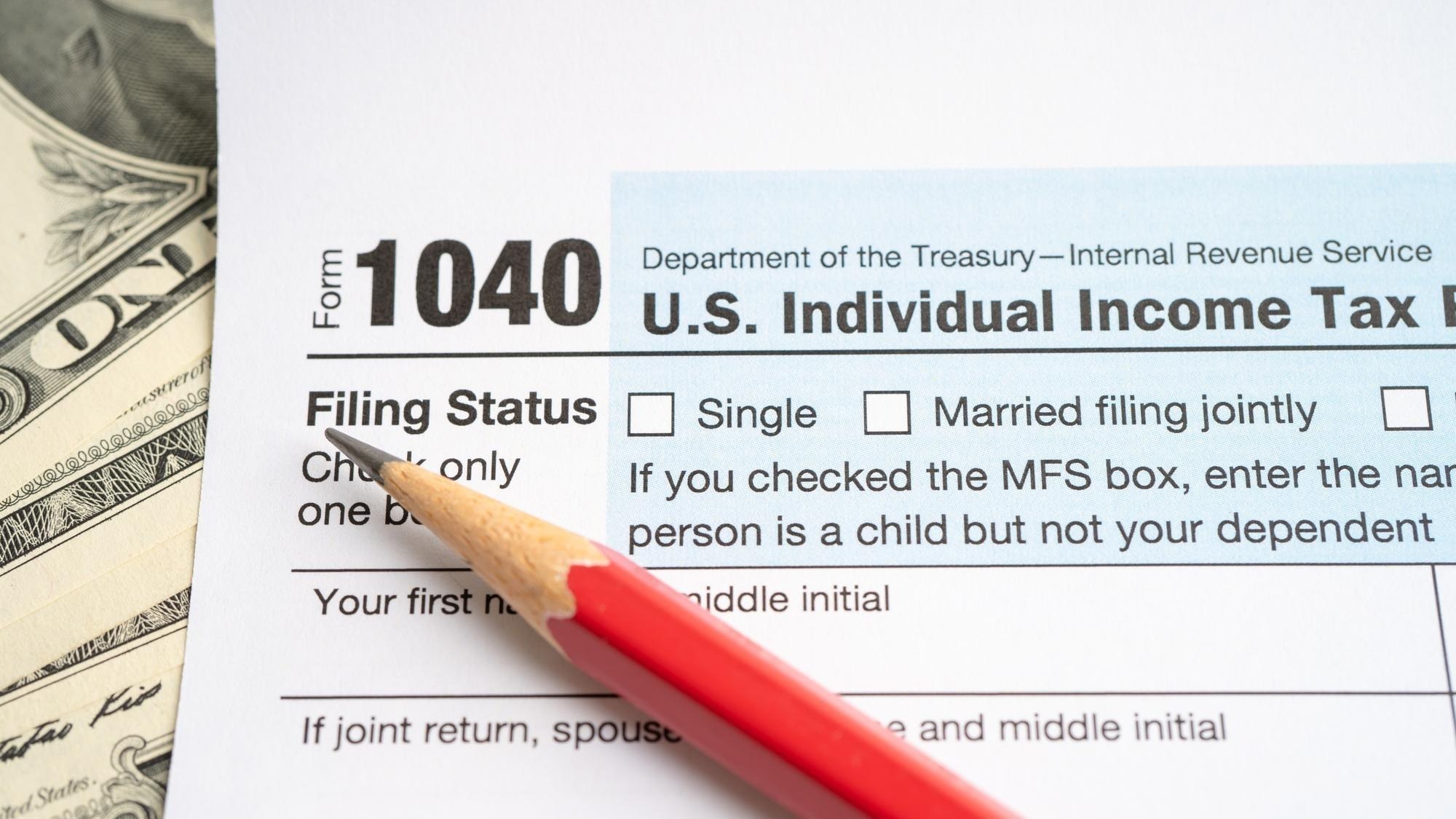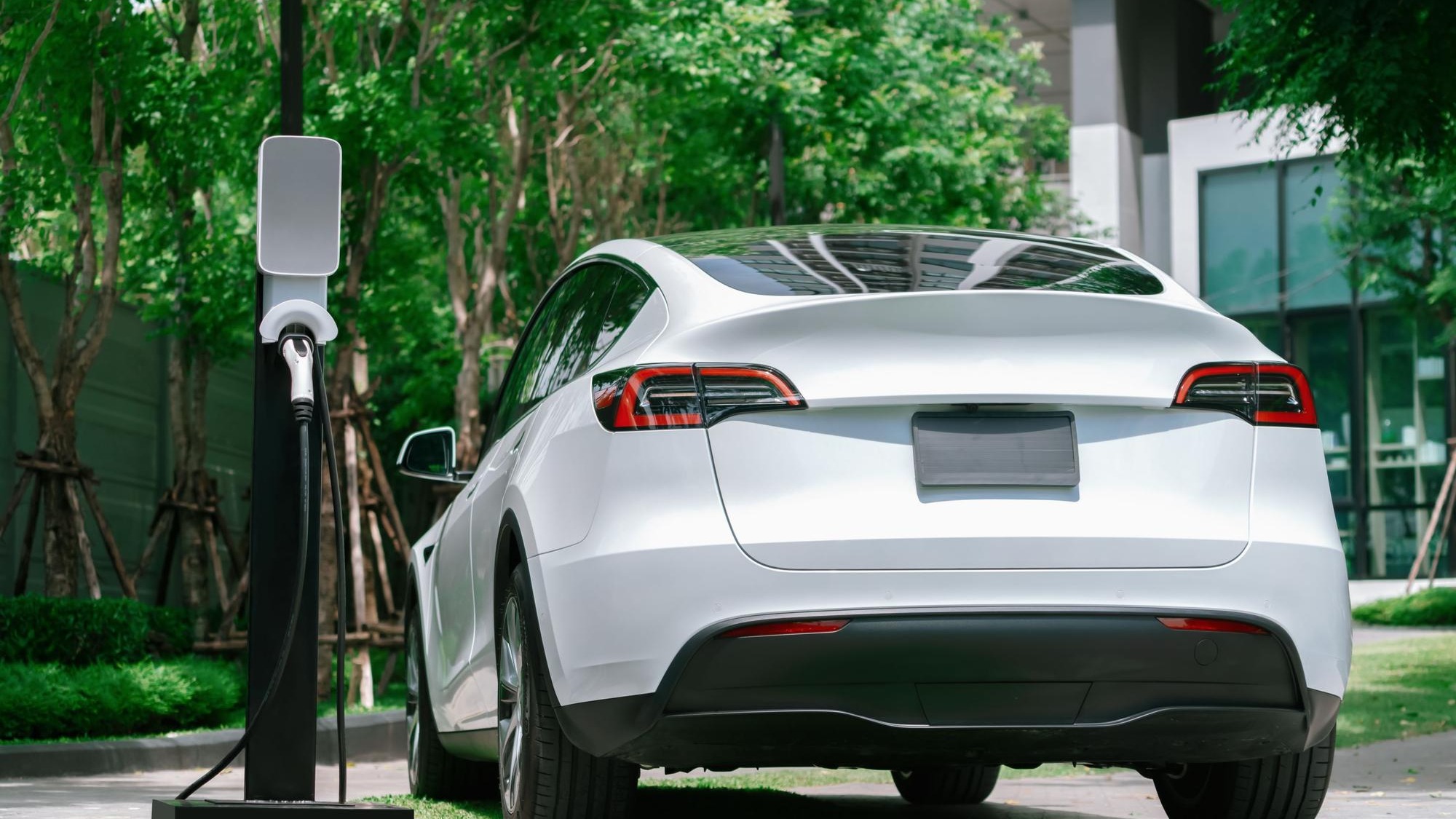
Three of the biggest federal tax breaks tied to home and vehicle purchases are now gone. The tax credits that once covered a share of the cost of rooftop solar panels, a new heat pump, or an electric vehicle have expired under the tax law signed in July 2025, and none of them apply to purchases made from this point forward. For retirees weighing a big-ticket home upgrade or car purchase on a fixed income, the change means the federal government will no longer offset part of the bill, and any planning built around those credits needs to be updated.
The Home Energy Credits That Expired Dec. 31, 2025
Two separate home energy credits shut down at the end of last year. The Internal Revenue Service confirmed that the Energy Efficient Home Improvement Credit, which covered a share of the cost of items such as heat pumps, insulation, exterior doors and windows, and home energy audits, no longer applies to any property placed in service after Dec. 31, 2025. The separate Residential Clean Energy Credit, which had covered 30% of the cost of solar panels, solar water heaters, geothermal systems and battery storage, ended on the same date for any expenditure made after Dec. 31, 2025.
The IRS fact sheet spells out an important detail for anyone who paid a contractor before the deadline but has not yet finished the work: an expenditure counts as made only when installation is actually completed, not when payment changes hands. A homeowner who wrote a check in December 2025 for a solar or heat-pump system that was not fully installed until 2026 does not qualify for the credit, regardless of when the money was paid. Both credits are gone for good under current law, with no phase-down period and no exceptions for contracts signed before the cutoff.
Free retirement updates: Enrollment and claim windows come and go, and missing one can cost real money. The free Retirement Shield newsletter keeps readers ahead of the deadlines that matter. Sign up free.
Electric Vehicle Credits Ended Even Earlier, on Sept. 30, 2025
The federal credits tied to electric and fuel-cell vehicles cut off three months before the home energy credits did. The New Clean Vehicle Credit, worth up to $7,500, the Previously-Owned Clean Vehicles Credit for used EVs, and the Qualified Commercial Clean Vehicle Credit all stopped applying to any vehicle acquired after Sept. 30, 2025. The IRS defines “acquired” as the date a buyer signs a binding written contract and makes a payment, which can be as little as a nominal down payment or a trade-in, not the date the buyer actually takes delivery of the car.
That distinction matters for anyone who locked in a deal before the deadline. A buyer who signed a contract and made a payment on or before Sept. 30, 2025, can still claim the credit once the vehicle is placed in service, even if delivery happened after that date. But a buyer who simply started shopping, test-drove a vehicle, or placed an order without a binding contract and payment in place by Sept. 30 gets nothing, no matter how close to the deadline the visit to the dealership took place. The IRS also closed new registrations for dealers and buyers in the online system that processes these credits as of the same date.
The used-vehicle version of the credit is the one most likely to have applied to a retiree shopping on a fixed budget rather than a buyer of a new $50,000 vehicle. Before its expiration, the Previously-Owned Clean Vehicle Credit covered 30% of the sale price of a qualifying used EV or fuel-cell vehicle priced at $25,000 or less, up to a maximum credit of $4,000, and could be transferred to the dealer as an instant discount at the point of sale rather than waiting for a tax refund. That option is now closed to anyone who did not already have a binding contract and payment in place by Sept. 30, 2025, regardless of the vehicle’s price or the buyer’s income.
What Retirees Weighing an Upgrade or a Car Purchase Should Check Now
For a retiree evaluating whether to replace an aging furnace with a heat pump or add solar panels ahead of winter, the math has changed. The full cost of the project now falls on the household, since there is no federal credit left to offset it. That makes it worth checking whether a state energy office, a local utility, or a municipal program still offers its own rebate for the same equipment; those programs are set by state law or a utility’s own rules and were not touched by the federal change, so some remain available even though the federal credit disappeared.
Not every energy-related tax break is gone. A handful of provisions aimed at builders and commercial property owners, including credits for newly built energy-efficient homes and a deduction for energy-efficient commercial buildings, remain in place through mid-2026 before their own scheduled end dates arrive. Those provisions apply to homebuilders and business owners, not to a retiree buying an existing home or upgrading one already lived in, so they offer no workaround for the consumer-facing credits that have already expired. Anyone still budgeting around the idea of a federal rebate for a home energy project or an electric vehicle purchased today should plan without it.
This article was produced with the assistance of AI and reviewed by The Financial Wire editorial team.
More Financial Reading
- How many CDs can you park at 1 bank? FDIC rules you must know
- What really happens to your joint savings account when you die?