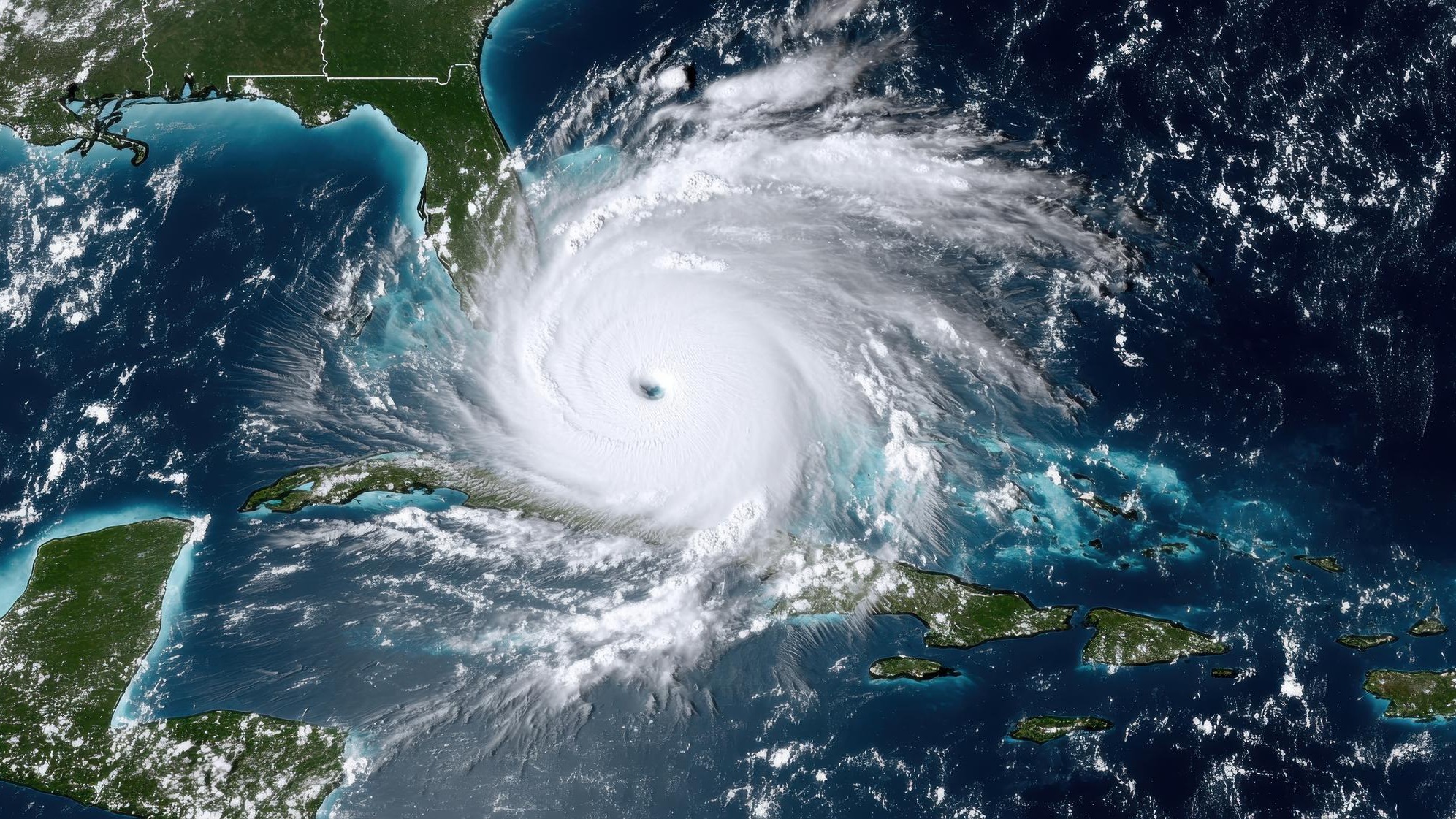
Every year, homeowners learn the hard way that their insurance doesn’t cover flooding. Not from hurricanes, not from tropical storms, not from the kind of heavy rain that turns a street into a river. Standard homeowners policies exclude flood damage entirely. Coverage requires a separate policy, and for most Americans, that means the National Flood Insurance Program, administered by FEMA.
Here’s the problem: new NFIP policies don’t take effect the day you buy them. Federal rules impose a mandatory 30-day waiting period. The Atlantic hurricane season starts June 1, 2026. If you purchase a policy by Sunday, May 25, your coverage activates by late June. Wait until after Memorial Day weekend, and you won’t be protected until July, leaving you completely exposed if an early-season storm hits.
That gap is not hypothetical. Flooding is the most common and costly natural disaster in the United States, according to FEMA. And it doesn’t just threaten beachfront property. Inland flooding from heavy rainfall causes significant damage every year in areas most residents wouldn’t consider flood zones.
The 30-day waiting period is federal law, not a suggestion
The waiting period is baked into the structure of the NFIP itself. FloodSmart.gov, the program’s consumer-facing portal, states plainly that new policies take effect 30 days after purchase. FEMA’s flood insurance overview confirms the same timeline, and the FDIC’s compliance guidance for lenders enforces the identical rule under the Flood Disaster Protection Act.
There are only two narrow exceptions. If you’re closing on a mortgage and the lender requires flood insurance, coverage can start immediately. If your property was recently reclassified into a high-risk flood zone because of updated FEMA maps, a one-day waiting period applies. Both exceptions are documented on the official NFIP application form. Neither one helps a homeowner who decides to buy a policy because a tropical system is already spinning in the Gulf.
The rule exists to prevent people from purchasing coverage only when a storm is bearing down, which would destabilize the insurance pool and make premiums unsustainable for everyone. But that policy rationale offers no comfort to someone watching a named storm approach without an active policy.
Early-season storms are not as rare as you think
The NOAA National Hurricane Center’s climatology data, based on records from 1991 to 2020, sets the official Atlantic season from June 1 through November 30. Peak activity clusters in August and September, but early-season storms have a track record of catching people off guard.
Subtropical Storm Andrea developed in late May 2019, before the season officially opened. Tropical Storm Alberto formed in the Gulf of Mexico in early June 2024, just days into the season. Both are reminders that threats can materialize quickly at the margins of the official window.
NOAA’s seasonal hurricane outlooks, typically released in late May, provide probability ranges for named storms, hurricanes, and major hurricanes. But regardless of whether a given year’s forecast calls for above-normal or near-normal activity, the 30-day waiting period doesn’t flex. The clock runs the same in a quiet year as in a hyperactive one.
What flood insurance actually costs (and what going without costs more)
One reason homeowners delay buying flood coverage is the assumption that it’s unaffordable. Under FEMA’s Risk Rating 2.0 pricing methodology, which took full effect in April 2023, premiums are calculated based on a property’s specific flood risk rather than simply its location on a flood map. According to FEMA’s Risk Rating 2.0 fact sheets, the majority of NFIP policyholders pay less than $100 per month, and many pay significantly less. For properties outside high-risk zones, annual premiums can run just a few hundred dollars.
Weigh that against the alternative. The average NFIP flood claim payout has historically been approximately $52,000, according to FEMA claims data referenced in Congressional Research Service reports covering recent program years. By contrast, the average FEMA Individual Assistance grant after a presidentially declared disaster runs roughly $4,500 to $5,000, based on CRS and Government Accountability Office analyses of recent disaster declarations. Disaster aid is designed as a stopgap for immediate needs, not a substitute for rebuilding a flooded home.
Put differently: the gap between what insurance pays and what federal aid provides is often tens of thousands of dollars. That’s the real cost of not having a policy.
Private flood insurance offers alternatives, with different rules
The NFIP isn’t the only option. A growing private flood insurance market offers policies that sometimes come with shorter waiting periods, or none at all, depending on the insurer and state regulations. Some private carriers allow coverage to begin in as few as 10 to 15 days.
Private policies may also offer higher coverage limits than the NFIP’s $250,000 cap on building coverage for residential properties, which matters for owners of higher-value homes. Most mortgage lenders now accept private flood insurance that meets certain federal standards, so switching from NFIP to a private carrier generally won’t create problems with your loan servicer.
The trade-off: availability, pricing, and terms vary widely by carrier and location. If you’re considering a private policy, confirm the exact waiting period with the insurer before purchasing. The NFIP’s 30-day rule is standardized and predictable. Private market terms are not.
How to buy a policy before the weekend is over
NFIP policies are sold through private insurance companies and agents, not directly by FEMA. The process works like buying any other insurance product: contact your current homeowners insurance agent or use the FloodSmart.gov agent locator to find a provider near you. You’ll need your property address and basic information about your home’s construction and elevation. Most agents can bind a policy in a single appointment.
Before you call, it’s worth checking whether your property sits in a FEMA-designated flood zone. You can look up your address on FEMA’s Flood Map Service Center. But don’t let a low-risk designation talk you out of coverage. FEMA’s own data shows that roughly 25% of all NFIP claims come from properties outside high-risk flood areas.
Renters and condo owners can purchase NFIP coverage too. Renters policies cover personal property up to $100,000. Condo unit owners can insure contents and interior improvements. If your landlord carries a building policy, that does not protect your belongings inside the unit. The same 30-day waiting period applies to all new policies.
After this weekend, the math changes
According to recent FEMA policy statistics, roughly 4.7 million households already carry NFIP coverage. For them, none of this is urgent. Their policies renew annually without a new waiting period. But for homeowners, renters, and condo owners in flood-vulnerable areas who have been putting off the purchase, the calendar has narrowed to a single weekend.
Buy by Sunday, May 25, 2026, and coverage will be active before the heart of early-season storm risk. Wait, and you’re betting that nothing happens before your policy catches up. Given that the average flood claim runs north of $50,000 and the average disaster grant barely covers a fraction of that, it’s a bet with lopsided consequences.