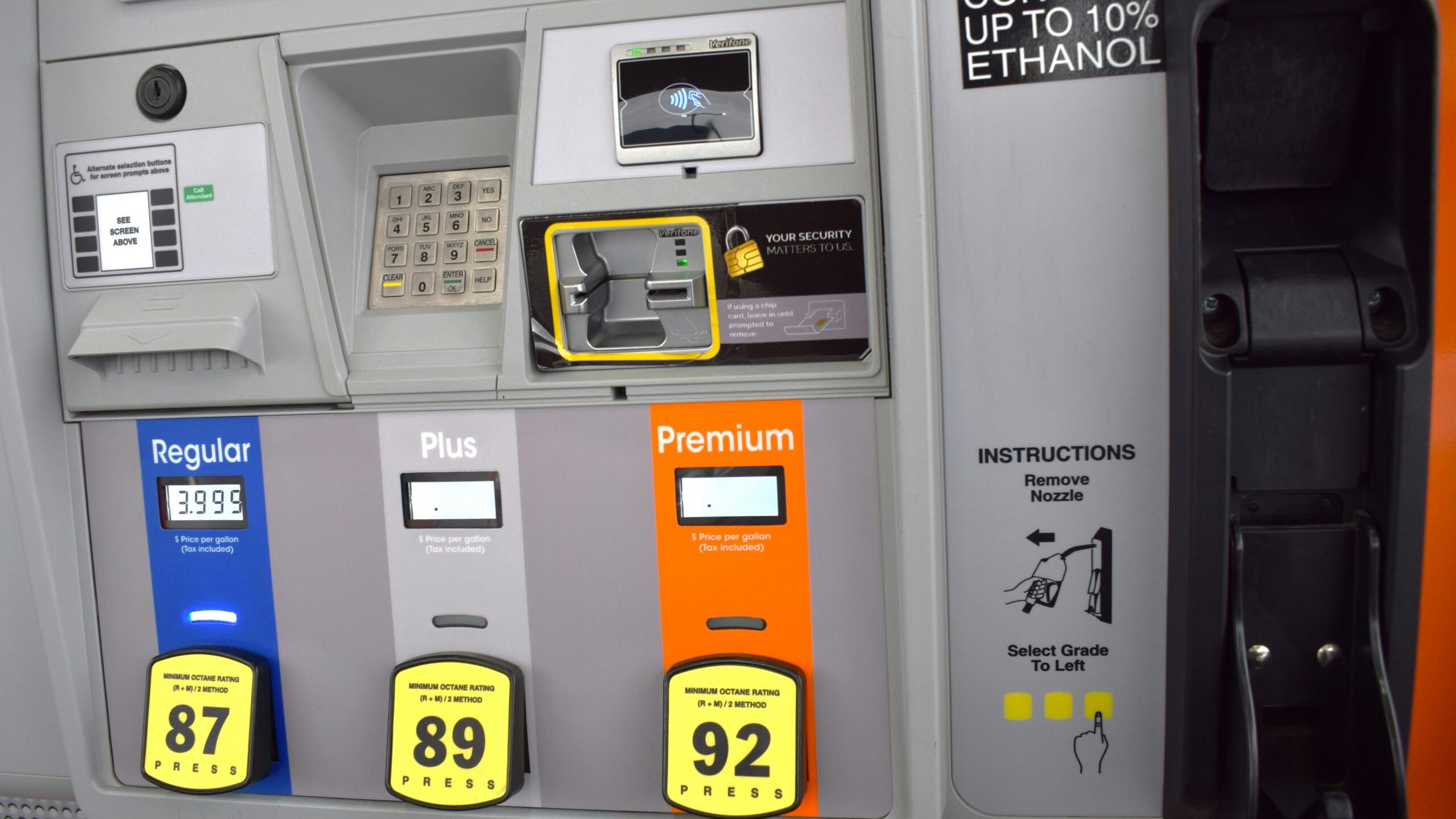
The national average price of regular gasoline slipped to $4.51 per gallon in the most recent Energy Information Administration weekly survey, a small reprieve for drivers who have watched pump prices grind higher for much of the past year. But the relief may be short-lived. The Bureau of Labor Statistics’ Producer Price Index report, released in May 2026, showed that wholesale gasoline prices surged 8.8% in a single month on a seasonally adjusted basis. That is the kind of spike that, historically, does not stay hidden from the pump for long.
The PPI figure, tracked under commodity code 05-71, measures what refineries and distributors charged their commercial buyers, not what consumers paid at the station. It is a leading indicator: when wholesale costs jump this sharply, retail prices have tended to follow within two to four weeks.
A wholesale surge that stands out
Wholesale gasoline prices are inherently volatile. Refinery maintenance schedules, crude oil swings, and seasonal demand shifts can produce noticeable month-to-month moves. But 8.8% in a single month is well above the norm. Over the past several years, monthly changes in the PPI gasoline component have typically been far smaller, making a reading of this size a signal worth paying attention to.
The timing amplifies the concern. May and June 2026 mark the start of the summer driving season, when gasoline demand traditionally climbs as Americans take vacations and weekend road trips. Refineries ramp up output to keep pace, but if capacity is already stretched or input costs are elevated, the economics push prices higher at every link in the supply chain.
Why drivers have not felt it yet
There is a built-in delay between wholesale price movements and what appears on the gas station sign. Station operators purchase fuel in bulk and store it in underground tanks. The price posted out front reflects the cost of fuel already in the ground, not the cost of the next delivery. When wholesale prices spike, it can take anywhere from several days to a few weeks before those higher replacement costs reach the pump.
Competitive dynamics slow the pass-through further. Station owners in dense markets are reluctant to raise prices ahead of nearby competitors, so increases often ripple through a market gradually rather than all at once. But the math eventually catches up: if wholesale costs stay elevated, station margins shrink, and pump prices adjust upward.
The $4.51 national average also masks wide regional differences. Drivers in California, where state taxes and stricter fuel-blend requirements add significantly to costs, routinely pay well above the national figure. Motorists in Gulf Coast states, closer to major refining hubs, typically pay less. A wholesale spike of this magnitude could hit high-cost regions especially hard if local supply is already tight.
What is pushing wholesale costs higher
The BLS does not publish explanatory commentary alongside its PPI data tables, so the precise drivers behind the 8.8% jump are not spelled out in the release. But several well-documented factors align with the timing.
Crude oil is the single largest input cost for gasoline, typically accounting for more than half of the retail price per gallon, according to the EIA’s gasoline price breakdown. Any sustained rise in benchmark crude prices flows directly into refinery costs and, from there, into wholesale gasoline pricing. The PPI report itself does not include a current crude oil price, and the BLS release does not break out whether crude costs were a primary contributor to the May 2026 wholesale gasoline spike. Drivers and analysts watching for that detail can track West Texas Intermediate and Brent crude benchmarks through the EIA’s spot price page.
Refinery utilization rates, which the EIA tracks weekly, also play a role. When a meaningful share of U.S. refining capacity goes offline for scheduled turnarounds or unplanned outages, the resulting supply squeeze can push wholesale prices higher even if crude costs hold steady.
Then there is the regulatory calendar. Every spring, refineries transition from producing cheaper winter-blend gasoline to the summer-blend formulations required under Clean Air Act regulations. The switch adds to production costs and can temporarily reduce output as facilities retool. The timing of the PPI spike lines up with this seasonal pattern, though the size of the increase suggests pressures beyond the routine blend changeover.
How the broader PPI report fits in
Gasoline was not the only commodity moving in the May 2026 PPI release. The report captures price changes across thousands of goods and services sold by domestic producers, and the overall index provides a broad read on inflationary pressures working their way through the economy before they reach consumers. A sharp wholesale gasoline increase within a broader PPI that is also running hot would carry different implications than one occurring in an otherwise stable pricing environment. Readers tracking inflation should review the full BLS release for that wider context.
Whether the pump price window stays open through June 2026
A wholesale spike does not guarantee a retail increase of the same size. Crude oil costs could ease. Refinery output could ramp up as spring maintenance wraps up in June 2026. Consumer demand could soften if the economy slows or if high prices push drivers to cut back on discretionary trips. Any of those developments could blunt the wholesale surge before it fully reaches the pump.
The more worrying scenario is one where wholesale costs stay elevated or climb further. If the next PPI release shows another large monthly gain in gasoline, the probability of a meaningful retail price increase rises sharply. For now, $4.51 represents a window of relative relief. The wholesale data suggests that window may not stay open much longer.
Drivers planning summer road trips or budgeting for commuting costs in the weeks ahead should watch both the EIA’s weekly retail price updates and the next BLS producer price report for signs of where prices are headed next.