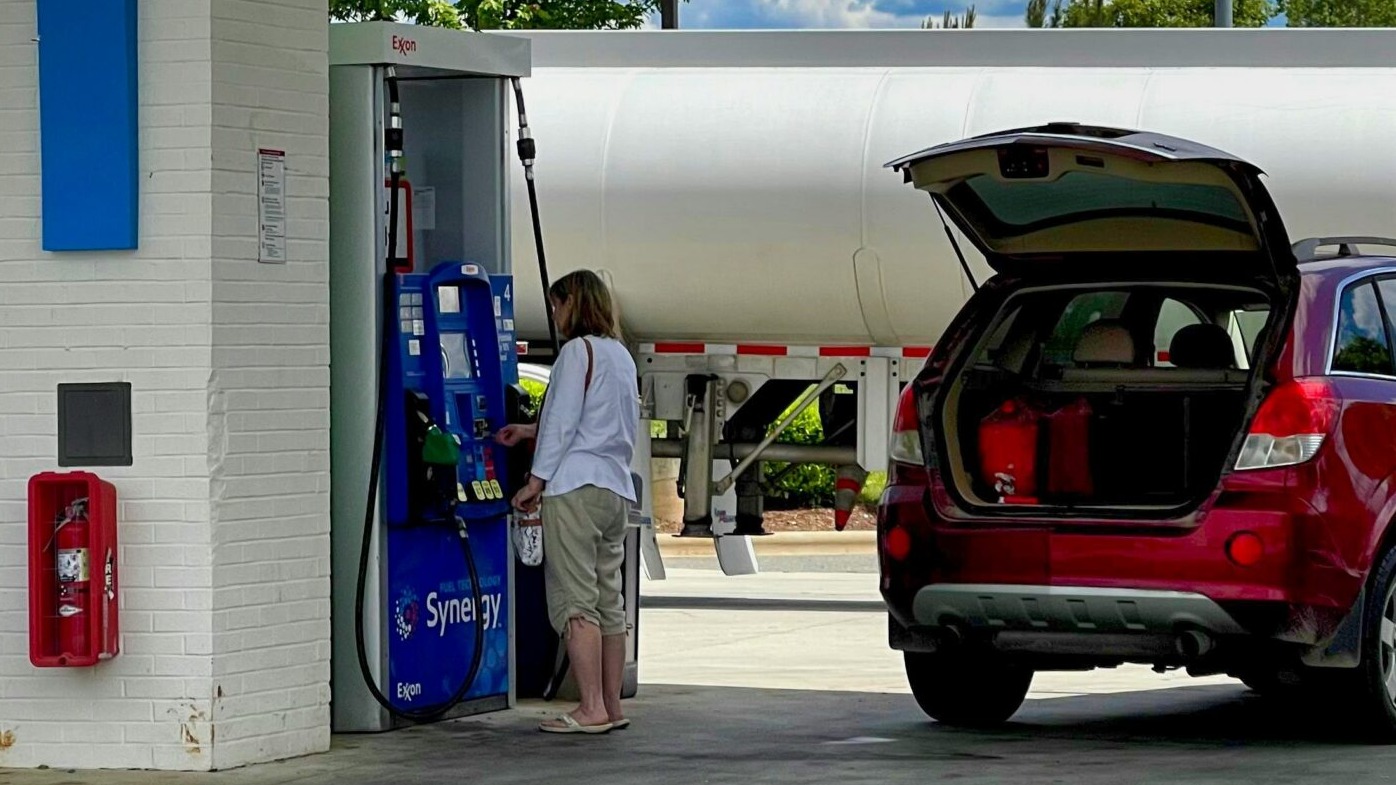
Gasoline prices dipped from May to June 2026, giving drivers a small break at the pump, but the cost of a gallon of unleaded regular still sits 27.3 percent above where it was a year earlier. That gap between short-term relief and persistent annual inflation hits hardest for households on Social Security, pensions, or other fixed incomes, where fuel spending absorbs a larger share of every monthly check. Wholesale energy costs have dropped, yet the savings have been slow to reach consumers in full.
Why a 27% year-over-year jump still stings after a monthly dip
The June 2026 Consumer Price Index showed that retail gasoline prices fell on a month-over-month basis before seasonal adjustment, a move that contributed to a broader cooling in headline inflation. The latest CPI release from the Bureau of Labor Statistics confirmed the decline, and the Associated Press described overall inflation as easing more than economists had expected. But the same data set tells a harder story for anyone comparing this summer’s fill-up to last summer’s: unleaded regular gasoline carried a 12-month percent change of 27.3 percent in June 2026.
For retirees or disability recipients whose income adjusts once a year through cost-of-living formulas, a single month of lower prices does little to offset a full year of elevated costs. The monthly dip shrinks the bill at the register by a few cents per gallon, but the annual increase means every trip to the station still costs roughly a quarter more than it did twelve months ago. Drivers who rely on cars for medical appointments, grocery runs, or part-time work cannot simply cut mileage the way a remote worker might skip a commute, so higher fuel costs translate directly into reduced room in already tight household budgets.
Because fuel is a recurring, non-discretionary expense for many older adults, the psychological impact can be as sharp as the financial one. Households on fixed incomes often plan spending around relatively stable monthly obligations. When gasoline suddenly demands a larger slice of that pie, there is little flexibility left for savings, leisure, or unexpected medical bills, even if the latest monthly data show a modest reprieve at the pump.
Federal data and upstream prices tell a split story
Two separate federal measurements confirm the scale of the year-over-year increase. The Bureau of Transportation Statistics pegged gasoline’s rise at approximately 26.7 percent year-over-year in its June transportation index, tying fuel costs directly to higher overall transportation expenses for households. That figure aligns closely with the BLS reading of 27.3 percent, reinforcing the finding across independent data pipelines and underscoring that the surge is not a quirk of a single methodology.
On the wholesale side, producer prices dropped 0.3 percent from May to June, driven in part by lower energy costs at the production level. That decline signals that refineries and distributors are paying less for crude inputs and related energy components. Historically, wholesale drops take weeks to filter through supply chains and show up at retail pumps, which helps explain why consumers have seen only a partial benefit so far. The gap between falling producer costs and still-elevated retail prices suggests room for further relief, but the timeline is uncertain and can be influenced by regional supply constraints, taxes, and competitive dynamics among local stations.
The Energy Information Administration tracks weekly retail averages through its national gasoline price series, offering a near-real-time snapshot of what drivers actually pay. Those weekly readings have begun to reflect the modest pullback that showed up in June’s CPI report, but they also confirm that prices remain far above last year’s levels. In practice, that means a typical driver may notice that a fill-up no longer sets a new personal record, yet the total still feels uncomfortably high compared with the summer of 2025.
What elevated fuel costs mean for fixed-income households
For households living on fixed benefits, the practical response to higher gasoline prices often involves trade-offs rather than outright cuts in driving. Some older adults report combining errands into a single trip, delaying nonessential visits, or leaning more on family and community networks for rides. Others trim spending elsewhere – postponing home repairs, cutting back on dining out, or scaling down travel plans – to preserve enough room in the budget for fuel.
Those adjustments can carry broader implications. When a larger share of fixed income flows into the gas tank, less is available for local businesses, savings, and preventive health care. Over time, that can compound financial vulnerability, especially if other necessities such as food, utilities, and insurance premiums also rise faster than annual benefit adjustments.
Looking ahead: relief, but not yet reset
If lower producer and wholesale energy costs continue, they are likely to exert downward pressure on retail gasoline prices through the rest of the summer and into the fall. That could gradually narrow the 27.3 percent year-over-year gap, easing some of the strain on drivers. But until the annual comparison moves closer to flat, many fixed-income households will experience each small monthly decline as relief layered on top of an elevated new normal, rather than a return to the affordability they remember from just a year ago.
Free tool for readers: Not sure whether your own retirement is on track? You can check your free Retirement Safety Score — a 0–100 number plus a few personalized steps — in about five minutes, with no sign-up required to see your score.