Consumers who paid inflated prices for certain generic prescription drugs can now file claims for a share of more than $96 million that state attorneys general collected from four drug manufacturers accused of colluding to raise prices. New York Attorney General Letitia James and 47 other attorneys general announced on Sept. 22 that the U.S. District Court for the District of Connecticut had preliminarily approved their plan to distribute the money. Eligible buyers have until March 8, 2027, to submit a claim.
How the states say the price-fixing scheme worked
The money comes out of three lawsuits the multistate coalition filed against dozens of generic drug companies and individual executives. According to the New York attorney general’s Sept. 22 announcement, the states allege a “broad, coordinated, and systematic conspiracy to fix prices, avoid competition, and rig bids for more than 100 different generic drugs.”
Prosecutors said executives at competing companies built an “interconnected web” of relationships, meeting at industry dinners, lunches, cocktail parties, golf outings and what the complaints call “girls’ nights out,” then keeping in touch through frequent phone calls, emails and text messages. The states say the companies used phrases such as “fair share,” “playing nice in the sandbox” and “responsible competitor” to describe how they discouraged competition and kept prices high.
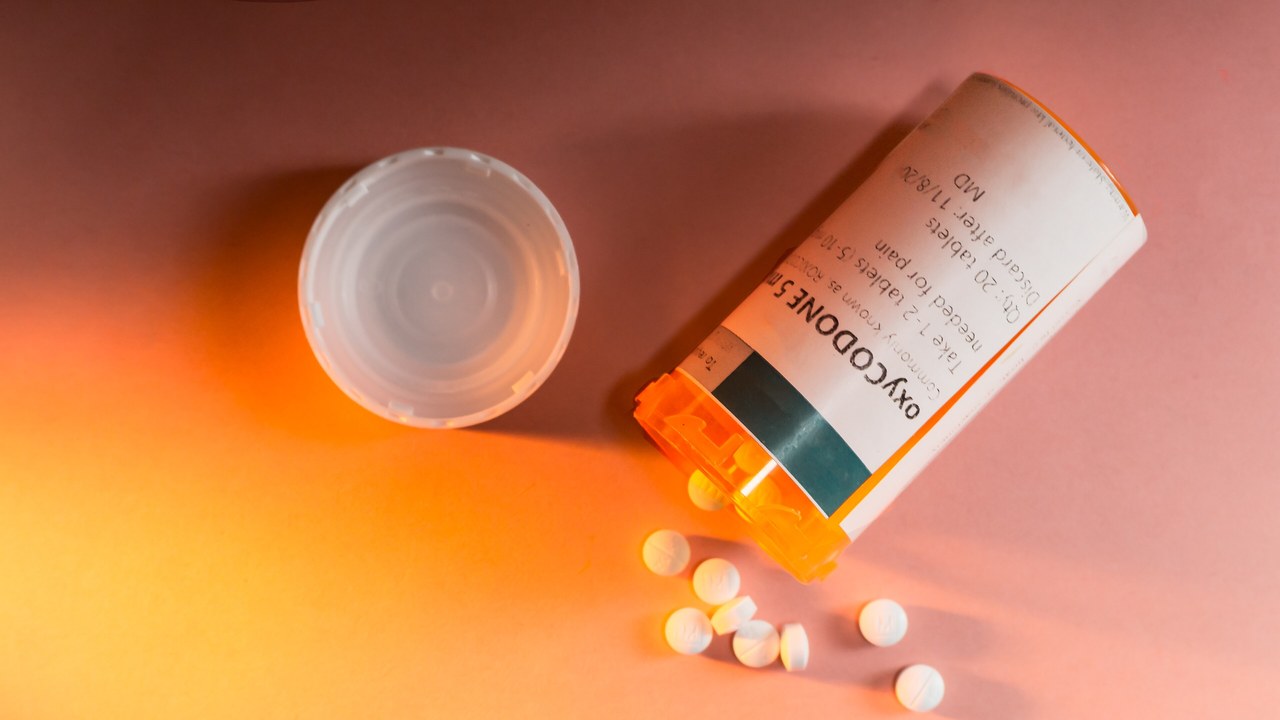
The drugs involved span tablets, capsules, creams and ointments, and include antibiotics, antidepressants, contraceptives and nonsteroidal anti-inflammatory drugs. They are used to treat conditions ranging from basic infections to diabetes, cancer, epilepsy, multiple sclerosis, HIV and ADHD. In some cases, the states said, coordinated price increases topped 1,000 percent. One example cited by the attorney general: digoxin, a widely used heart medication made by Heritage Pharmaceuticals, tripled in price, costing patients hundreds of dollars more.
Tracking the pills behind a claim. Anyone who filled a heart, diabetes or other maintenance prescription during the covered years will want a clear list of those medications and what they cost, which is exactly what the medication and cost tracker in The Medicare Cost & Coverage Protection Kit is built to hold.
Which companies paid and how the $96 million adds up
The more than $96 million total is the sum of settlements the coalition reached with four manufacturer groups over the past two years. In November 2024, the states announced $49.1 million in settlements with Heritage Pharmaceuticals and Apotex, the first two resolutions in the litigation. In February 2026, the coalition added $17.85 million from Bausch and Lannett. In July 2026, it announced more than $29 million from Glenmark Pharmaceuticals USA.
As part of those agreements, the settling companies agreed to cooperate in the ongoing cases against the remaining corporate defendants and individual executives and to adopt internal reforms aimed at ensuring fair competition and compliance with antitrust laws. Two former Heritage executives, Jeffrey Glazer and Jason Malek, previously reached their own settlements and are cooperating with the states. The attorney general’s office said seven pharmaceutical executives in total are now helping the coalition.
The litigation is far from over. The first complaint, filed in 2016, named 18 corporate defendants and two individuals over 15 drugs. The second, filed in 2019, targeted 22 of the nation’s largest generic manufacturers and 16 senior executives. The third, filed in 2020, focuses on 80 mostly topical generic drugs that account for billions of dollars in U.S. sales and names 26 companies and 10 individuals. That third case is slated to go to trial first. Companies that have not settled have not been found liable, and the allegations against them remain unproven.
Who may qualify and how to file a claim
In earlier announcements, the New York attorney general’s office said people who bought a listed generic prescription drug between May 2009 and December 2019 may be eligible. The full list of covered drugs is posted on the settlement website, AGGenericDrugs.com, where consumers can check eligibility and file a claim online.
Claims can also be requested from the claims administrator by emailing info@aggenericdrugs.com, calling 1-866-290-0182, or writing to the mailing address listed on the settlement website. The deadline is March 8, 2027. The court’s approval of the distribution plan is preliminary, and the attorney general’s office has not announced how much individual claimants will receive. That amount will depend on the final plan and on how many valid claims are filed.
“For years, dozens of pharmaceutical companies cheated New Yorkers with shady backroom deals that raised prices,” James said in announcing the claims process. “These companies inflated generic drug prices and forced hard-working families to pay excessive amounts for essential medications. I encourage all New Yorkers who purchased eligible generic drugs to submit a claim to receive compensation.” Although James spoke to New York residents, the settlements were reached by a bipartisan coalition spanning dozens of states, the District of Columbia, Puerto Rico and other U.S. territories.
Why the claims window matters for retirees
Generic drugs fill a large share of retirees’ medicine cabinets, and many older Americans have taken the same maintenance drugs for heart disease, diabetes or depression for a decade or more. That makes the 2009-to-2019 purchase window especially relevant for retirees, including people who were paying cash, covering a Medicare Part D deductible or paying coinsurance on generics during those years.
Because the covered period ended nearly seven years ago, many buyers will no longer have receipts. Pharmacies can typically print a customer’s prescription history, and Medicare Part D plans send periodic Explanation of Benefits statements that list each fill and what the member paid. Gathering those records before March 2027 can make it easier to match past purchases against the settlement’s list of covered drugs.
Claimants should also be alert to imitators. High-profile settlements often attract fraudulent emails, texts and calls that borrow a real case name to request fees or banking details. The attorney general’s office directs consumers only to the settlement website, its email address, the toll-free number and the posted mailing address. Anyone unsure about a message can call the New York attorney general’s office at 1-800-771-7755 or contact their own state attorney general before responding.
Old prescriptions, new paperwork
A settlement claim looks backward, but the drug bills keep arriving. The gap this case exposes is simple: few retirees have a single place where their medications, prices and plan rules are written down side by side.
The Medicare Cost & Coverage Protection Kit includes a medication and cost tracker, an explanation of the new Part D out-of-pocket cap, and 51 state Medicare cost-help packs, which together help put today’s prescription spending in order while an older claim works its way through.
Start that list with The Medicare Cost & Coverage Protection Kit.
This article was prepared with AI assistance and reviewed against the linked official sources.