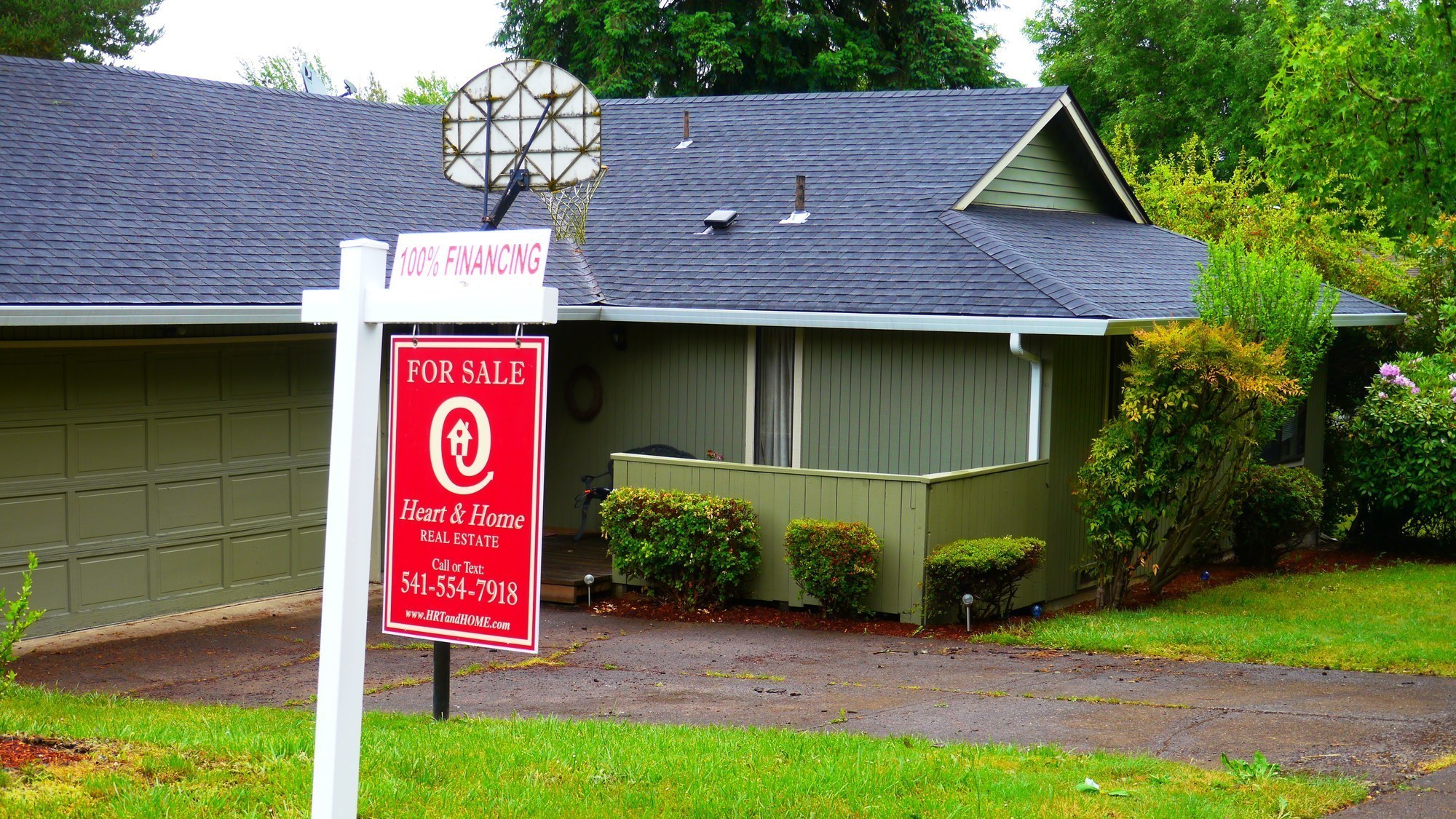
Georgia homeowners are facing a sharp rise in foreclosure activity, with filings across the state climbing 78% in early 2026 compared to the same period a year earlier. The surge is hitting counties large and small, and it raises hard questions about whether borrowers who held on through years of pandemic-era protections are now losing that footing. Because Georgia operates a non-judicial foreclosure system, the path from missed payments to a public auction notice can move fast, with limited court oversight standing between a homeowner and the loss of a property.
Why the 78% spike signals more than seasonal noise
A filing increase of this size does not fit the pattern of normal quarter-to-quarter variation. One working explanation is that the spike reflects borrowers who cycled through multiple rounds of forbearance and loan modification programs finally reaching the end of available relief. Federal agencies extended COVID-era protections several times between 2020 and 2024, and each extension pushed a cohort of struggling borrowers further down the calendar. As those options expired, servicers began restarting collection timelines, and the resulting wave of notices is now showing up in county-level records.
Georgia’s process makes this pattern visible quickly. Under state rules, a lender must advertise intent to foreclose in the county’s official legal newspaper once a week for four consecutive weeks before the property can be sold at a first-Tuesday auction. The state consumer guidance explains that this publication requirement, combined with a power-of-sale clause in most deeds, allows lenders to move from default to auction in a matter of weeks. That compressed timeline means delinquent loans can convert to public filings far faster than in judicial-foreclosure states such as New York, where each case requires a judge’s order. The speed of the process amplifies any underlying increase in borrower distress.
The FHFA’s first-quarter 2026 Foreclosure Prevention report offers federal-level context. That document tracks enterprise delinquency and serious delinquency metrics for loans backed by Fannie Mae and Freddie Mac, and it includes state-level data for Georgia. Rising serious delinquency rates among these government-sponsored enterprise loans suggest the pressure is not confined to subprime or non-agency borrowers. Conventional loan holders are also falling behind, indicating that higher interest costs, inflation in everyday expenses, and property tax increases may be eroding the budgets of middle-income homeowners who previously appeared stable.
How non-judicial rules accelerate Georgia filings
The distinction between judicial and non-judicial foreclosure is not academic for the families affected. In a judicial state, a lender must file a lawsuit and obtain a court order before selling a home, and borrowers often gain extra months while cases work through crowded dockets. Georgia skips that step. The lender’s primary obligation is the four-week newspaper publication requirement, followed by the sale on the first Tuesday of the month at the county courthouse. Homeowners who miss the notice window or fail to respond have limited procedural recourse once the auction takes place.
This structure means that any uptick in late payments translates into visible filings faster than in states with court backlogs. It also means the 78% increase likely captures activity that, in a judicial state, would still be sitting in a court queue rather than appearing as a completed filing. For homeowners, the practical consequence is a tighter window to act. Borrowers who receive a notice have roughly 30 days before the scheduled sale date to explore alternatives such as loan modification, reinstatement, or a short sale, and they must navigate these options under intense time pressure.
What the data cannot yet explain about Georgia’s foreclosure wave
Several questions remain unanswered even as the spike in filings becomes impossible to ignore. The available statistics do not fully disentangle how much of the increase stems from pandemic-era forbearance hangovers versus newer economic stressors like rising insurance premiums, stagnant wages, or localized job losses. Nor do statewide totals reveal whether certain demographic groups or neighborhoods are bearing a disproportionate share of the impact, a concern that echoes the uneven fallout from the 2008 housing crisis.
Another uncertainty is how many of the new filings will ultimately result in completed foreclosures. Some borrowers will cure their defaults, secure modifications, or sell their homes before the auction date. Others may turn to nonprofit housing counselors or legal aid to contest improper notices. The non-judicial framework, however, limits the time available to assemble documentation or negotiate with servicers, and that constraint may push more distressed owners toward forced sales than raw delinquency numbers alone would suggest.
State leaders and agencies have tools they can deploy, but coordination is crucial. The official portal for Georgia state organizations lists housing, consumer protection, and legal assistance offices that can influence how policy responses take shape. Options range from targeted outreach in high-foreclosure ZIP codes to expanded funding for counseling and mediation programs that intervene before the four-week publication clock runs out. Whether those efforts will scale quickly enough to blunt the current wave is still unclear.
For now, the 78% jump in filings serves as an early warning signal rather than a final verdict on Georgia’s housing stability. Non-judicial rules are bringing distress into public view faster than in many other states, and the FHFA’s delinquency figures confirm that stress is spreading beyond the most vulnerable borrowers. How lenders, policymakers, and homeowners respond over the next several quarters will determine whether this surge marks the peak of a post-pandemic adjustment-or the front edge of a deeper foreclosure cycle.