Grocery bills are climbing again this year, though not at the pace of 2022’s runaway inflation. The Agriculture Department’s latest forecast puts food-at-home prices up roughly 2.5 to 3 percent for all of 2026, a manageable increase on its own, except for one category standing well outside that pattern: beef, which is running nearly 10 percent above last year and showing no sign of leveling off.
USDA’s Latest Read on the Grocery Cart
The Economic Research Service’s August 2026 Food Price Outlook, updated using July’s inflation data, forecasts food-at-home prices rising 2.5 percent for the full year, slightly below their 20-year historical average pace, while prices for all food, including restaurants, are forecast to rise 3.0 percent. In the most recent monthly reading, grocery store prices were actually 2.7 percent higher in July 2026 than in July 2025, close to the full-year projection.
That overall number hides sharp differences by category. Seven of the fifteen food-at-home groups USDA tracks are forecast to grow faster than their historical average this year, led by beef and veal, while eggs are headed sharply in the opposite direction after last year’s price spike.
Free retirement updates: One number can cost or save hundreds a month in retirement. The free Retirement Shield newsletter surfaces the ones worth knowing. Sign up free.
Why Beef Is the Outlier
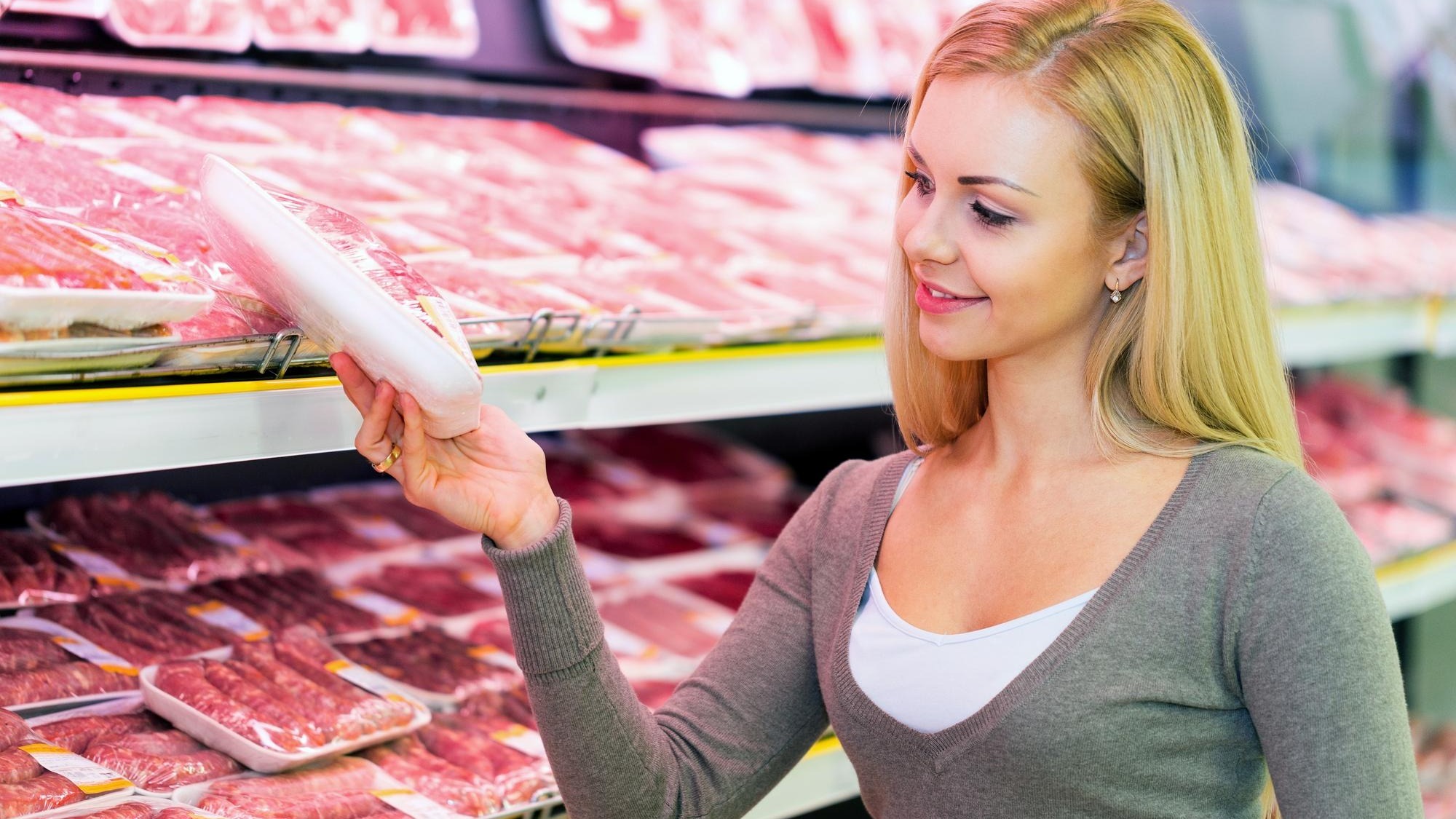
USDA forecasts beef and veal prices climbing 9.8 percent for 2026, and July’s year-over-year figure already stood at 9.4 percent. The agency’s livestock economists point to a straightforward supply story: federally inspected beef production fell nearly 5 percent in July 2026 compared with a year earlier, and the national cattle herd has shrunk to its smallest size in roughly 75 years. Tight cattle supplies are expected to keep beef production running below last year’s levels through the rest of 2026, which typically keeps retail prices elevated even when consumer demand softens.
Wholesale beef prices, which usually move ahead of what shows up on a supermarket shelf, were 7.8 percent higher in July 2026 than a year earlier and are forecast to rise 9.4 percent for the year, evidence that the retail increase is not a temporary blip working through the supply chain.
The Categories Moving the Other Way
Not every grocery aisle is getting more expensive. Retail egg prices were 25.7 percent lower in July 2026 than a year earlier, and USDA forecasts a 30.8 percent decline for the full year as flocks recover from the highly pathogenic avian influenza outbreak that drove 2025’s egg spike. Pork and poultry prices are also forecast to rise less than 1 percent for the year, both well below their historical averages, giving shoppers a lower-cost protein alternative to beef.
Produce is more mixed: fresh fruit prices are forecast up 2.9 percent for 2026, while fresh vegetables are forecast up 5.9 percent, with tomatoes, lettuce, and potatoes each running well above last year’s prices in July.
Stretching a Fixed Grocery Budget Around Beef
For a retiree on a set monthly income, the practical takeaway is less about the headline 2.5 to 3 percent grocery inflation figure and more about which specific items are driving it. A household that swaps some beef purchases for pork, poultry, or eggs, all forecast to be flat to sharply cheaper this year, can offset a meaningful share of the overall increase without cutting protein from the menu. USDA’s data suggests that gap between categories, not the average grocery bill, is where most of this year’s savings or overspending will actually happen.
This article was produced with AI assistance and reviewed by The Financial Wire editorial team.
More Financial Reading
- Adding someone to your bank account: tax traps and smart moves
- Bank statements: how long to keep them and when to toss them