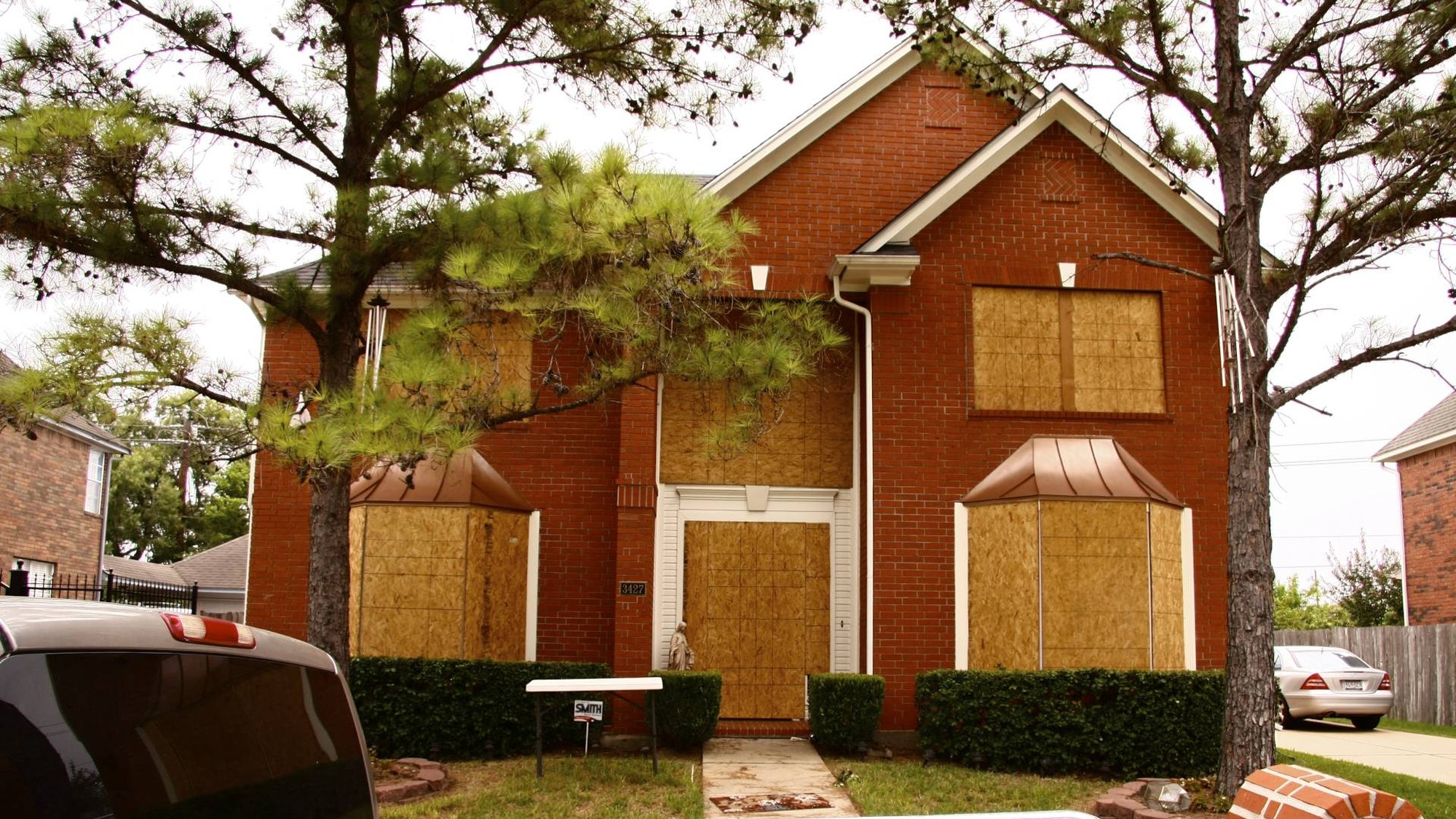
If you own a home in California and pay around $2,000 a year for insurance, a 16% increase would push that bill to roughly $2,320 by the end of 2026. That figure is illustrative, not drawn from a specific policy or data set, but it reflects the scale of what Insurify’s forecast projects for the state. If you own a home in Florida and carry a policy through the state’s public insurer, you just caught a break. These two states, both synonymous with catastrophe risk, are now heading in opposite directions on one of the largest household costs in the country.
The numbers tell the story. Insurify’s 2026 home insurance forecast, based on its analysis of rate filings, catastrophe modeling, and market trends, projects that California premiums will jump 16% this year, roughly four times the projected national average increase of 4%. Florida is moving the other direction: Citizens Property Insurance Corporation, the state-backed insurer covering more than 1 million policies, approved an 8.7% rate cut following improved financial results. Nationally, Insurify estimates premiums rose about 12% in 2025, a figure drawn from the company’s own modeling rather than a government statistic. For Florida homeowners insured through Citizens, the rate cut translates to meaningful savings, though the insurer has not published an average dollar amount per policy.
Why California premiums keep climbing
California’s insurance troubles have been building for years, but the January 2025 wildfires in Los Angeles turned a slow-moving crisis into an acute one. The Palisades and Eaton fires produced insured losses exceeding $30 billion, according to estimates widely reported by outlets citing catastrophe modeling and claims data, placing them among the costliest wildfire events in U.S. history. Private insurers had already been retreating from fire-prone areas, and the 2025 fires gave them powerful new evidence that existing rates were not keeping up with the risk.
Regulators responded. In early 2026, the California Department of Insurance reached a settlement involving the state, the consumer advocacy group Consumer Watchdog, and State Farm over the company’s emergency interim rate request. The deal upheld the Insurance Commissioner’s earlier order granting State Farm a substantial rate increase while adding consumer-protection provisions governing how those higher rates are applied. The Department of Insurance press releases page is the primary channel for official announcements of this kind, though the specific settlement document was not independently verified for this article. For policyholders, the practical result was straightforward: bigger bills.
State Farm is not alone. Multiple carriers have filed for double-digit rate increases in California, and several have stopped writing new policies in high-risk zones entirely. Homeowners who lose private coverage often land on the California FAIR Plan, the state’s insurer of last resort, which typically offers narrower coverage at steeper prices. The California Department of Insurance posts individual rate filings publicly, and the pattern through early 2026 has been overwhelmingly upward.
Why Florida is bucking the trend
Not long ago, Florida’s insurance market looked worse than California’s. Hurricane Ian in 2022 triggered billions in claims, drove several private insurers into insolvency, and sent premiums soaring. The state legislature responded with a pair of reform packages in 2022 and 2023 that targeted two of the biggest cost drivers: excessive litigation and claims fraud. Those changes, combined with a stretch of relatively quiet hurricane seasons since Ian, have begun to stabilize the market.
Citizens Property Insurance Corporation is the clearest barometer of that shift. Created by the state to absorb risk that private carriers would not touch, Citizens directly insures a large share of Florida homeowners. When its financial position strengthens, as it has recently through lower-than-expected claims and improved reinsurance terms, it can pass savings along to policyholders in a single rate action. The Florida Office of Insurance Regulation publishes catastrophe data that provides context for the state’s insurance landscape, though the direct link between that data and Citizens’ rate-setting process involves additional actuarial and board-level review.
The 8.7% cut is real, but context matters. Citizens’ rates had climbed steeply in prior years, so this reduction brings premiums down from an already elevated baseline. Florida’s private market, while more stable than it was in 2023, has not uniformly followed Citizens’ lead. Some private carriers have filed for modest increases even as Citizens cuts. And the state’s enormous exposure to a single bad hurricane season means the current downward trend could reverse in a matter of weeks.
Two models, two outcomes
The divergence between California and Florida is not simply a story of wildfires versus hurricanes. It reflects fundamentally different approaches to managing catastrophe risk through insurance markets.
Florida built a dominant state-backed insurer that can adjust rates for a huge portion of the market in one move. When conditions improve, as they have recently, the benefits flow quickly to policyholders. California relies on a fragmented private market where each carrier files its own rates, responds to its own loss history, and decides independently where to write policies. When conditions deteriorate, that system produces a patchwork of rate hikes, nonrenewals, and coverage gaps rather than a coordinated response.
Neither model is without serious risk. Florida’s dependence on Citizens means that if a major hurricane overwhelms the insurer’s reserves, Florida taxpayers and policyholders statewide could face special assessments to cover the shortfall. California’s private-market approach offers homeowners more carrier choices in stable years but leaves them vulnerable to rapid pullbacks when wildfire risk spikes. Both states are, in different ways, testing how much catastrophe risk a state insurance system can absorb before it buckles.
What homeowners should be watching through mid-2026
In California, the most important signals over the next several months will be new rate filings posted by the Department of Insurance and any expansion of the FAIR Plan’s role as a backstop. Homeowners in wildfire-prone areas should review their current policies now, compare quotes from carriers still writing in their zip codes, and ask specifically about mitigation discounts for fire-resistant landscaping, roofing, or building materials. Those discounts exist, but insurers do not always advertise them.
In Florida, the key variable is the Atlantic hurricane season. A quiet 2026 season would likely reinforce the downward trend in Citizens’ rates and could encourage more private carriers to re-enter the state. A major landfall would reset the math entirely, potentially reversing years of progress in a single storm.
Insurify’s projections and the regulatory actions in both states point to a home insurance market that is fracturing along geographic and structural lines. The national average increase of 4% in 2026 captures the broad picture, but for homeowners in California or Florida, the only number that truly matters is the one printed on their next renewal notice.