When the Supreme Court struck down tariffs imposed under the International Emergency Economic Powers Act, it triggered the largest customs refund in U.S. history: $166 billion flowing back to the companies that paid the duties. General Motors alone expects to collect roughly $500 million, a figure the automaker has referenced in public earnings commentary but has not detailed in a standalone press release. The amount was first widely reported by the Associated Press in May 2026, citing court filings and agency disclosures.
The American families who spent years paying higher prices on cars, washing machines, and electronics because of those same tariffs? Not a single federal mechanism exists to get them a refund.
Consider a household that bought a mid-size sedan in 2020. Tariff surcharges on imported steel, aluminum, and finished components added an estimated $1,200 to $2,000 to the sticker price, according to analyses by the Center for Automotive Research. That family already paid the inflated price, drove the car off the lot, and will never see a rebate check. Multiply that across millions of vehicle purchases, appliance orders, and electronics upgrades, and the scale of the consumer shortfall starts to come into focus.
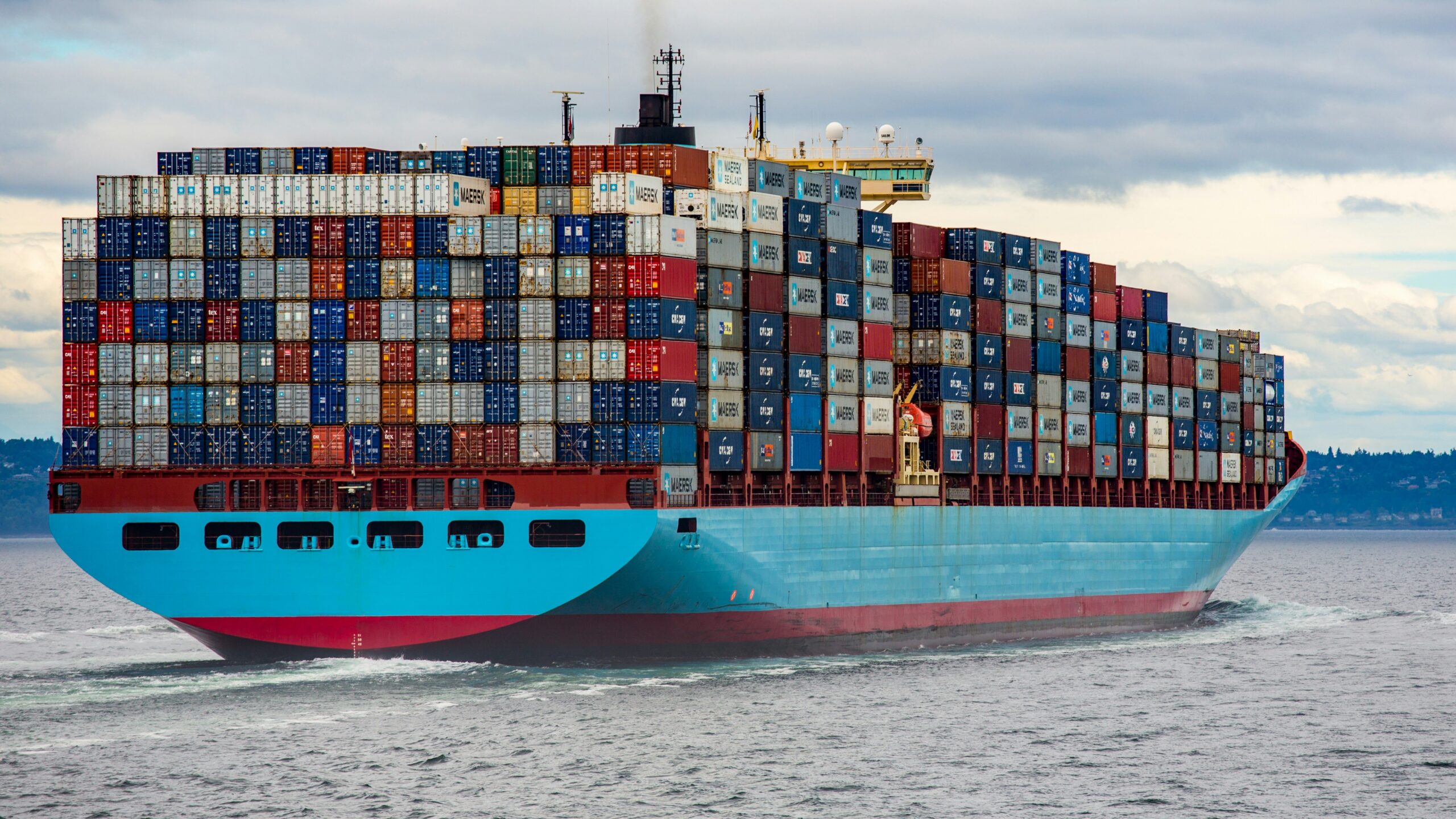
U.S. Customs and Border Protection is now processing claims from approximately 330,000 importers covering an estimated 53 million shipments, figures drawn from court filings in the Court of International Trade and CBP’s own published refund guidance. The money is going back to the businesses that wrote the checks to CBP. It is not going to the households that absorbed those costs at the register.
The Refund Pipeline Is Already Open
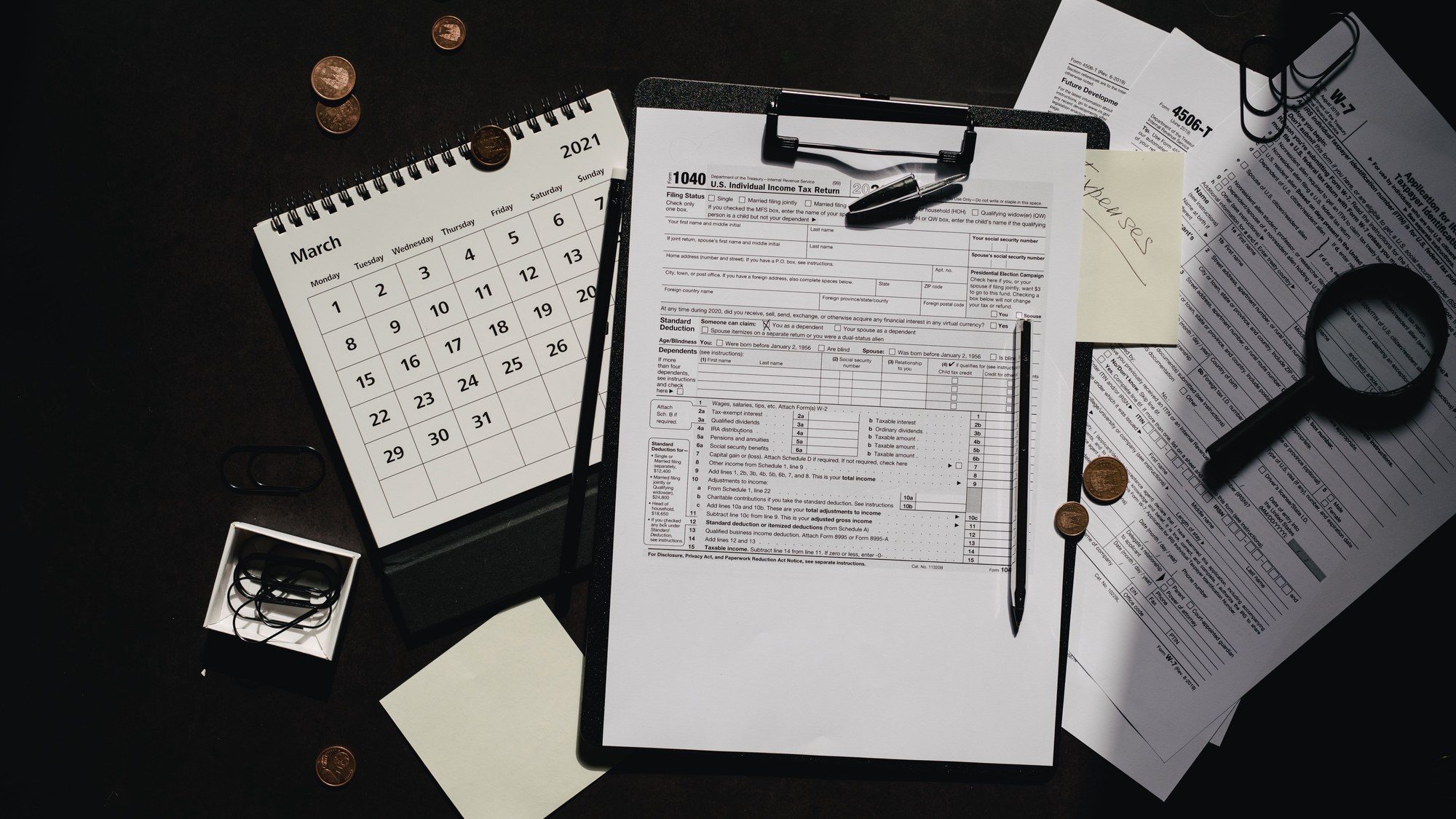
The machinery is moving fast. The Court of International Trade posted a notice confirming that CBP had issued new CAPE guidance for IEEPA-duty refunds, establishing an automated pathway through the agency’s electronic payment system. CBP’s own IEEPA refunds page walks importers through the portal for requesting credits tied to the invalidated tariffs. The Court of International Trade is overseeing the process through its public docket, where filings track agency progress, eligibility disputes, and processing delays.
GM’s anticipated $500 million is the largest single figure disclosed so far, though the automaker has not issued a standalone press release with a precise breakdown and the number should be treated as an approximation based on available public commentary. GM is one company among hundreds of thousands. The full $166 billion spans automotive, steel, consumer electronics, and household goods. The refund checks are addressed to importers, not to the people who ultimately paid the price.
One Company Promised to Share. The Rest Have Been Silent.
FedEx is the lone major exception. The shipping giant stated publicly that it will return to customers any refunds it receives from the struck-down tariffs, as reported by the Associated Press. That commitment is entirely voluntary. As of June 2026, no other large importer has made a comparable pledge.
FedEx’s announcement underscores what is absent everywhere else: any mechanism to push refund dollars downstream to consumers. When the tariffs were in effect, companies routinely passed the added costs forward through higher sticker prices. A widely cited 2019 study by Mary Amiti, Stephen Redding, and David Weinstein, published in the Journal of Economic Perspectives, found that the full cost of U.S. tariffs fell on American buyers rather than on foreign exporters. A follow-up study by Pablo Fajgelbaum, Pinelopi Goldberg, Patrick Kennedy, and Amit Khandelwal, published in the Quarterly Journal of Economics in 2020, reached similar conclusions and estimated annual consumer losses in the tens of billions of dollars. Research from the Federal Reserve Bank of New York reinforced those findings. But no equivalent body of research, and no emerging data, shows that companies reverse those price increases once the tariffs vanish. The refund announcements have not been accompanied by visible discounts at retail.
Why the Money Is Unlikely to Reach Shoppers
Several forces work against any meaningful pass-through to consumers.
First, timing. Many importers paid these tariffs years ago and have long since folded the higher costs into their pricing. Reverting prices on goods sold in 2019 or 2020 is not a simple accounting exercise. Some companies wrote the duties off on their taxes. Others absorbed them as thinner margins. A refund arriving in 2026 for a tariff paid in 2019 does not neatly undo a price increase that consumers have been paying for years.
Second, there is no legal obligation. Trade law attorneys who have reviewed the refund framework say no federal statute or court order requires importers to share refund proceeds with downstream buyers or end consumers. Companies can use the money however they choose: shore up balance sheets, fund capital spending, buy back shares, or pay dividends. Without a statutory mandate or regulatory pressure, the default outcome is that the $166 billion stays with the importers.
Third, the data gap. There is no public breakdown of how much of the refund total involved finished consumer goods versus raw materials and industrial inputs. That distinction matters enormously. A tariff on steel coils raises costs for manufacturers, who may or may not pass the increase along. A tariff on a finished washing machine hits the consumer’s wallet directly. Without that data, it is impossible to calculate exactly how much of the $166 billion represents costs that households paid out of pocket.
No Shareholder Pressure, No Political Push, No Consumer Recourse
As of June 2026, no federal legislation has been introduced that would require importers to pass refund proceeds to consumers. No state attorney general has announced an investigation into whether companies are pocketing windfall refunds while keeping tariff-era prices in place. And no class-action lawsuit on behalf of consumers has surfaced in federal court dockets.
Shareholder pressure has also been muted. Institutional investors and proxy advisory firms have not flagged the refunds as a governance concern, and no major company’s annual meeting has featured a resolution demanding that tariff refund proceeds be shared with customers. The absence of organized pressure from shareholders, consumer advocacy groups, or elected officials leaves companies with little incentive to voluntarily reduce prices or issue rebates.
On the official record, the consumer side is nearly blank. A single voluntary corporate pledge from FedEx and scattered news accounts are all that exist. There is no centralized reporting, no federal tracking, and no legal requirement that would generate data on how much of the $166 billion filters past importers to retailers or shoppers.
Court filings have referenced a 60-day processing window for individual claims, though no publicly available agency document spells out a binding deadline for completing all disbursements across tens of millions of entries. The sheer volume, 330,000 importers and 53 million shipments, suggests the process could stretch well beyond initial estimates, particularly if documentation errors or classification disputes slow things down.
The Money Has a Clear Path Back to Business but No Path Back to You
The picture that emerges is starkly lopsided. The flow of money back to businesses is documented, automated, and supervised by federal judges. The flow of money back to consumers depends entirely on whether companies volunteer to share it. So far, with one exception, they have not.
For the families who paid more for cars, appliances, and everyday goods during years of tariff-inflated prices, the Supreme Court’s ruling corrected a constitutional violation. It did not correct their bills. And unless Congress, regulators, or the courts intervene, it never will.