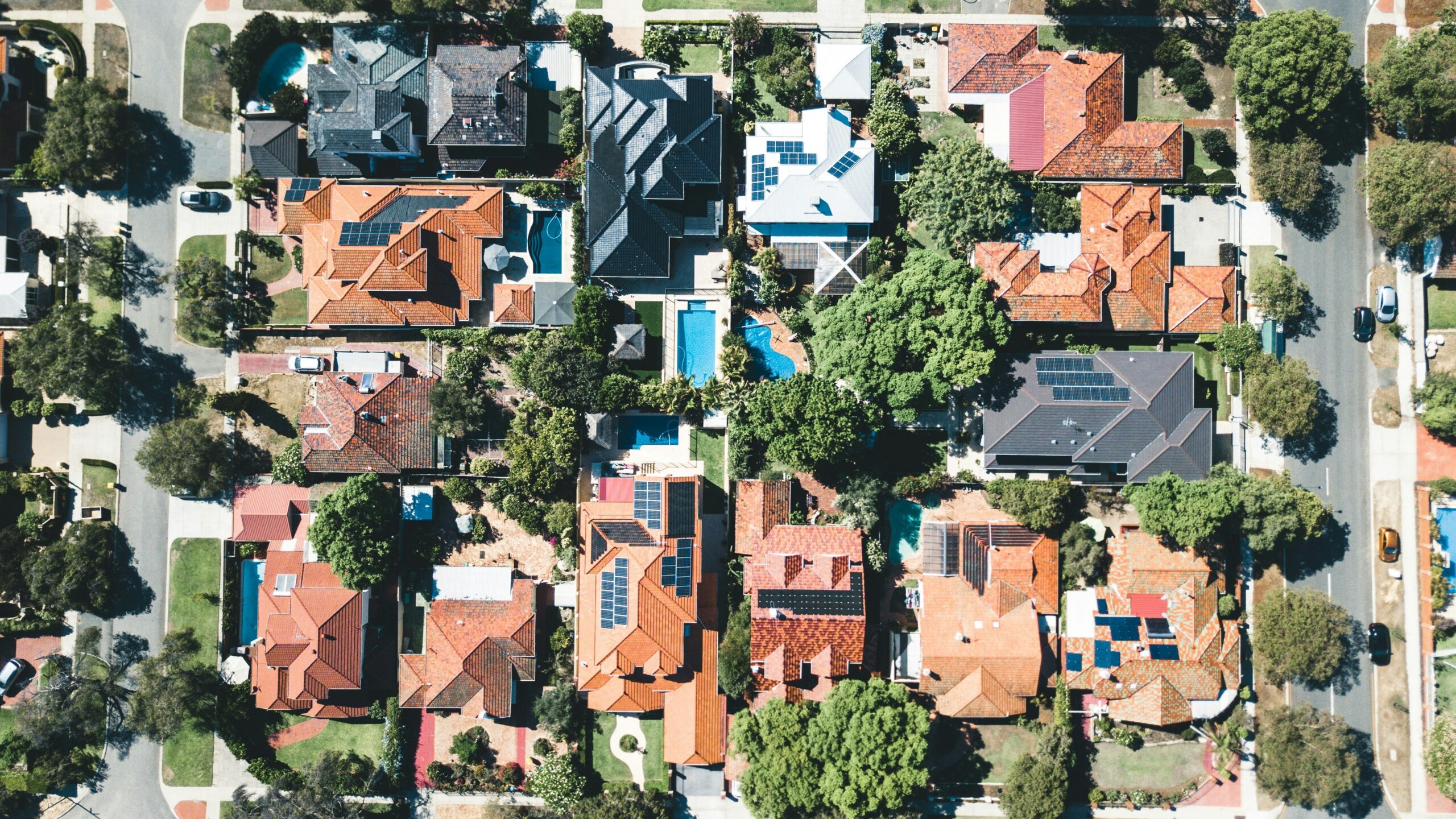
The typical American home has never cost more, and the market has rarely moved this slowly. In April 2026, the median existing-home sales price, a non-seasonally-adjusted nominal figure reported by the National Association of Realtors, reached $417,700, surpassing every previous month on record, according to data tracked through the Federal Reserve’s FRED database. Yet the record came with a caveat that matters more than the milestone itself: compared with April 2025, year-over-year price growth decelerated to just 0.9%, the thinnest annual gain since 2011, when the housing market was still clawing its way out of the foreclosure crisis.
The spring buying season, traditionally the most active stretch of the year, barely registered a pulse. Existing-home transactions ran at a seasonally adjusted annual rate of 4.00 million units in April, according to NAR’s monthly report as covered by the Associated Press. That pace has scarcely budged since 2023 and remains far below the 5-to-6 million range that defined a normal year before the pandemic.
Record prices, punishing payments
The gap between rising prices and stalling sales starts with one number on a mortgage statement. The 30-year fixed rate averaged 6.94% as of late May 2026, per the Freddie Mac Primary Mortgage Market Survey. A buyer putting 20% down on a $417,700 home at that rate faces a principal-and-interest payment of $2,220 a month, before taxes and insurance. Three years ago, when rates hovered near 3%, the same purchase would have cost $1,410 a month. That $800-plus difference has priced out a wide swath of would-be buyers and frozen many current homeowners in place, unwilling to trade a pandemic-era mortgage for one that costs far more each month.
Lisa Sturtevant, chief economist at Bright MLS, has described the dynamic in blunt terms in her firm’s spring 2026 market commentary: “Buyers are being squeezed by record prices and near-7% rates simultaneously, and sellers who locked in low-rate mortgages see no financial reason to move. Until one of those forces gives, transaction volume will stay depressed.”
The data backs her up. An estimated 60% of outstanding mortgages still carry rates below 4%, according to Federal Housing Finance Agency data, giving those homeowners a powerful financial incentive to stay put. Fewer listings reach the market as a result, and the limited supply that does appear is enough to keep prices from falling, even as it can no longer push them sharply higher.
What the national number hides
A single median figure for the entire country can obscure as much as it reveals. The $417,700 price tag blends together markets as different as Austin, Texas, where values cooled notably through 2024 and into 2025 after a pandemic-era surge, and the northern New Jersey suburbs of New York City, where bidding wars never fully disappeared. In Sun Belt metros that saw the steepest pandemic-era run-ups, price growth has generally lagged the national pace, while supply-constrained Northeast and Midwest markets have held firmer. NAR’s metro-level breakdowns for April 2026 typically follow the national release by several weeks, so more granular regional data should emerge by midsummer.
What is already visible is that inventory, while improved from its 2022 trough, remains historically lean. Active listings are still running below pre-pandemic norms in most major metros, according to Realtor.com tracking data. That scarcity continues to act as a floor under prices even as buyer enthusiasm fades.
The affordability wall
For first-time buyers, the math has turned especially punishing. The median U.S. household income stood at $80,610 in the most recent Census Bureau American Community Survey (2023 data, released September 2024). Even accounting for modest wage growth since then, the median home now costs more than five times what the median household earns in a year. Historically, that ratio hovered closer to three or four.
Layer on a 6.94% mortgage rate and the strain deepens. A household earning $85,000 and putting 10% down on a median-priced home would face a monthly principal-and-interest payment above $2,500, consuming more than 35% of gross income before property taxes and insurance are added. NAR’s own Housing Affordability Index has been hovering near its lowest reading since the early 1980s, when rates topped 18% but home prices were a fraction of today’s levels.
That squeeze has reshaped who actually closes deals. Cash purchases accounted for 28% of existing-home sales in early 2026, according to NAR transaction data, well above the historical norm near 20%. Investors and equity-rich repeat buyers have gained market share, while mortgage-dependent purchasers, particularly younger households stretching into ownership for the first time, have been increasingly sidelined. For many in that group, renting has become the default, not by choice but by arithmetic: in a growing number of metros, monthly rent is now cheaper than a mortgage payment on a comparable home, a reversal from the pre-pandemic norm.
Builders fill part of the gap
While resales have stagnated, homebuilders have stepped in to capture displaced demand. New-home sales have held up better than existing-home transactions over the past two years, in part because builders can offer mortgage rate buydowns, closing-cost credits, and price adjustments that individual sellers typically cannot match. The U.S. Census Bureau reported new residential sales running at a seasonally adjusted annual rate of 698,000 units in early 2026, a pace that, while modest by historical standards, has outperformed the resale market on a relative basis.
But builders face headwinds of their own. Elevated lumber and materials costs, compounded by tariff uncertainty on imported building products, have squeezed margins and slowed the pace of new starts in some regions. The National Association of Home Builders’ Housing Market Index has reflected that caution, hovering below its long-run average for much of the past year. And new construction still represents a relatively small share of overall housing transactions, so even a healthy building sector cannot single-handedly resolve the supply shortage that underpins record prices.
What breaks the stalemate
The path forward hinges on which side of the standoff cracks first. If mortgage rates decline meaningfully later in 2026, perhaps in response to slowing inflation or a shift in Federal Reserve policy, pent-up demand could flood back into the market. That would likely boost sales volume but could also push prices higher still, at least initially, as more buyers compete for a housing stock that remains historically scarce.
If rates stay elevated and the broader economy softens, some sellers may eventually accept that the pricing peak of 2022 and 2023 is not coming back, leading to more listings and, potentially, modest price declines in select markets. A third possibility is simply more of the same: a market locked in low-volume stasis, with prices drifting upward at a pace that barely keeps up with inflation, and millions of households stuck on the sidelines.
None of these outcomes is guaranteed, and any forecast should be weighed against the reality that housing has defied consensus predictions repeatedly over the past five years.
A spring that failed to thaw a frozen market
The April 2026 data leaves little room for optimism that the logjam is breaking. American home prices have never been higher, the pace of appreciation has rarely been slower, and the number of people actually buying and selling homes remains pinned near generational lows. The spring selling season was supposed to be the catalyst. Instead, it delivered a new price record that fewer and fewer households can afford to celebrate.