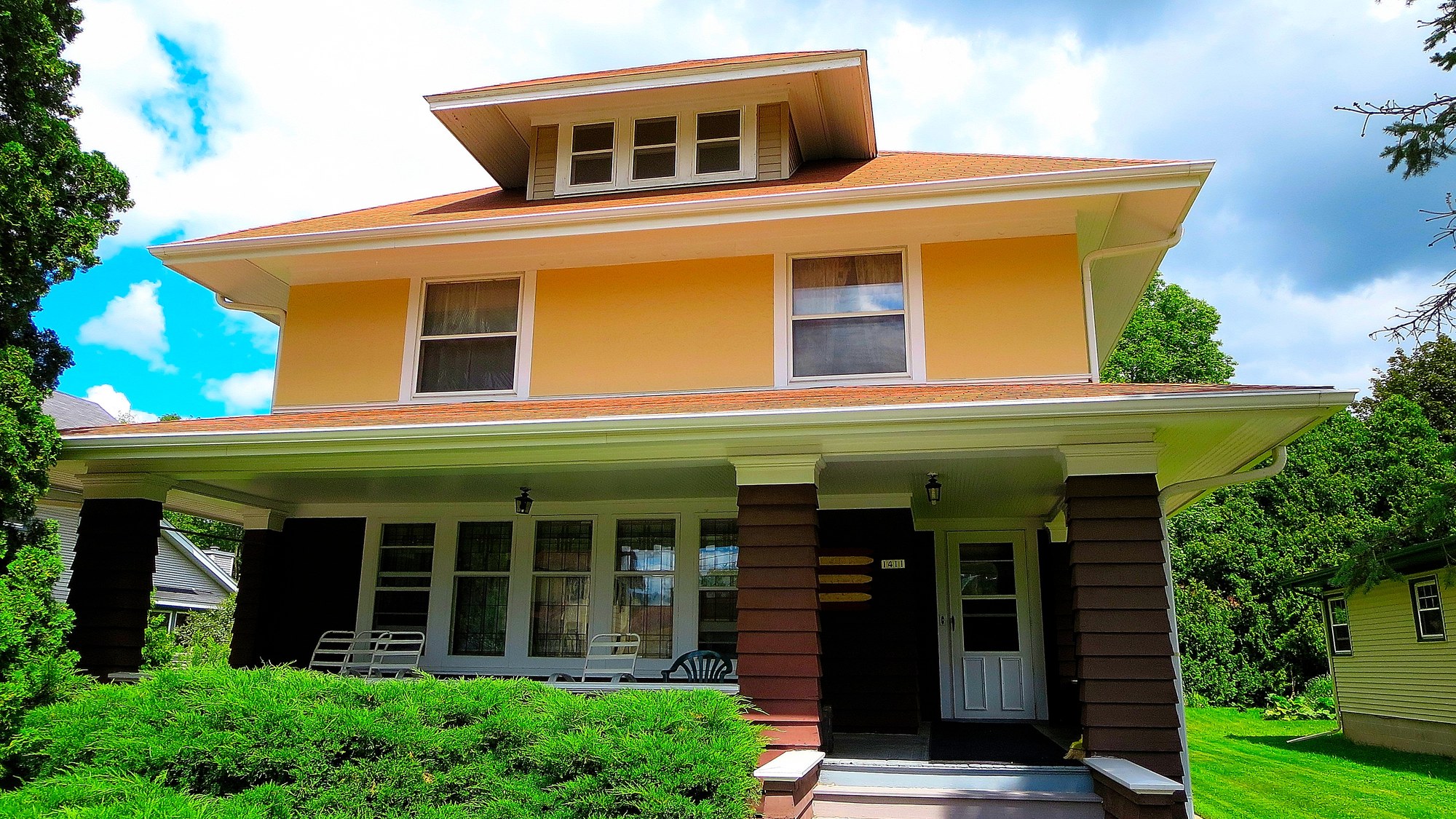
A homeowners-insurance policy is supposed to be the steady thing a family renews without a second thought. Increasingly, it is not. Insurers are declining to renew longtime customers or pulling out of entire regions, especially where wildfire, hurricane, and severe-storm losses have piled up. For an older homeowner on a fixed income, a non-renewal notice in the mailbox can mean scrambling for costlier coverage on short notice — and a mortgage lender that will not wait.
Non-renewal is not the same as cancellation, and the timing differs
The distinction matters. A cancellation ends a policy mid-term and is generally allowed only in limited situations, such as nonpayment or fraud. A non-renewal means the insurer honors the current policy to its end date but declines to offer a new term. The National Association of Insurance Commissioners explains that carriers use non-renewal to step back from risks they no longer want to cover, and that state law sets how much advance notice they must give — often 30 to 60 days, though it varies.
That notice window is the homeowner’s runway to find a replacement. Because it can be short, the letter should never sit unopened, and the renewal date on an existing policy is worth marking well ahead of time.
Free retirement updates: Enrollment and claim windows come and go, and missing one can cost you real money. The free Retirement Shield newsletter keeps you ahead of the deadlines that matter. Sign up free.
Disaster-prone regions are seeing the sharpest pullback
The trend is concentrated where catastrophe losses have grown. In wildfire-exposed parts of the West and hurricane- and storm-battered stretches of the South and coast, some national carriers have stopped writing new policies, narrowed the properties they will insure, or exited the market entirely. Longtime customers with clean claims histories have been dropped simply because their home sits in a zone the insurer now considers too risky to cover at the price it can charge.
Homeowners far from the coast are not immune. Losses from hail, wind, and inland flooding have prompted non-renewals in areas that were not traditionally thought of as high-risk, and rising rebuilding costs have pushed premiums up broadly. A homeowner does not have to file a claim to be non-renewed; the insurer’s view of the surrounding area can be enough.
A coverage gap can put a mortgage in jeopardy
For anyone still paying a mortgage, a lapse in insurance is not just risky — it can breach the loan agreement. Lenders require continuous coverage, and if a policy is not replaced in time, the lender can buy “force-placed” insurance and bill the homeowner for it. That coverage is typically far more expensive than a standard policy and often protects only the lender’s interest, not the homeowner’s belongings or liability. Avoiding that outcome means lining up a new policy before the old one ends, not after.
Even homeowners who own their house outright face real exposure. Going without coverage to save money leaves a lifetime’s largest asset unprotected against fire, storm, or a liability claim that could otherwise wipe out savings. For an older owner whose home is the bulk of their net worth, a single uninsured loss can erase decades of built-up equity in an afternoon.
State FAIR plans are the backstop when no carrier will write
When the regular market turns a homeowner away, most states run a FAIR plan — a Fair Access to Insurance Requirements program — that serves as an insurer of last resort. These plans provide basic property coverage to people who cannot find it elsewhere. The tradeoff is that FAIR plan coverage is often more limited and more expensive than a standard homeowners policy, and it may cover the structure while leaving gaps that require a separate policy for contents or liability. The NAIC points homeowners to their state insurance department to find the FAIR plan and understand what it does and does not cover.
A FAIR plan is meant as a bridge, not a permanent home. Many homeowners use it while continuing to shop for standard coverage, and revisit the regular market periodically as conditions change.
Steps that improve the odds of staying insured
Homeowners can take concrete measures to make a property more insurable and to soften the blow of rising costs. Wildfire and storm mitigation — clearing brush, upgrading a roof, installing storm shutters, reducing defensible-space hazards — can help retain or regain coverage, and some insurers and states offer premium credits for hardening a home. Shopping several carriers and an independent agent who works with multiple companies widens the options, since one insurer’s non-renewal does not mean the whole market is closed. Raising a deductible can lower a premium for those able to absorb more risk out of pocket.
Anyone who believes a non-renewal was improper, or who cannot find coverage at all, can contact their state insurance department, which regulates carriers and can explain rights and available programs. Acting the day the notice arrives — rather than at the last minute — gives a homeowner the most room to land replacement coverage before the deadline passes.
This article was researched and drafted with the assistance of AI and reviewed by The Financial Wire editorial team.
More Financial Reading
- Adding someone to your bank account: tax traps and smart moves
- The ideal retirement withdrawal rate so your savings actually last