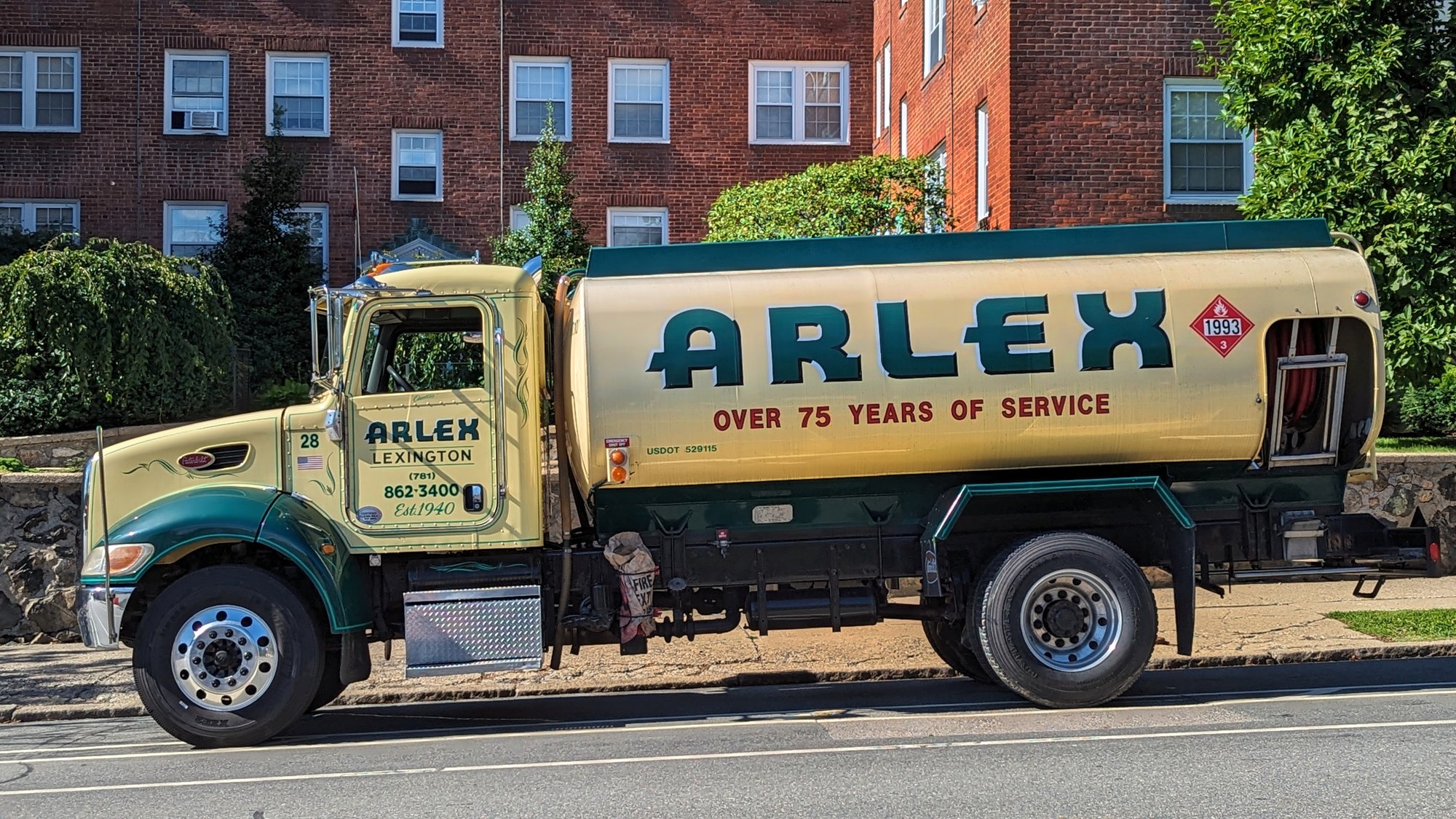
The federal government’s main energy forecaster is flagging a supply problem before winter heating season has even started. The U.S. Energy Information Administration’s latest short-term outlook warns that low distillate fuel inventories could push up prices for residential heating oil in the Northeast, the region where the fuel still heats a meaningful share of homes. The warning comes attached to specific numbers on where diesel and crude prices are headed, even though EIA’s more detailed winter forecast for households has not been published yet.
Why Low Distillate Inventories Matter For Winter Prices
“Low distillate inventories contribute to higher domestic diesel prices,” and “this effect will be particularly pronounced because of seasonal drops in distillate production and seasonal increases in distillate consumption during the fall and winter,” the EIA states in its September 2026 Short-Term Energy Outlook. Refineries typically cut distillate production for fall maintenance at the same time harvest-season farm equipment is pulling more diesel out of storage, a seasonal squeeze the agency says applies on top of already-thin supply. The same outlook forecasts that U.S. distillate inventories will fall below 100 million barrels nationally in September 2026, the tightest point in that seasonal cycle. “Low inventories may also contribute to higher prices for residential heating oil in the Northeastern United States,” the EIA states in the same outlook, naming the region by name rather than describing a nationwide effect.
What a fuel forecast doesn’t cover: EIA’s inventory warning explains why a heating oil delivery might cost more this winter, but it says nothing about the heating and cooling help or the property-tax relief that can offset a home’s other fixed costs the same season. See the heating and cooling help in The Senior Property Tax & Home-Cost Relief Kit.
The Price Forecast Behind The Warning
EIA’s outlook puts the 2026 average retail diesel price at $5.07 a gallon, according to the agency’s petroleum products forecast, the same outlook that carries the distillate-inventory warning. The same forecast has West Texas Intermediate crude averaging $85 a barrel in 2026, dropping to $70 in 2027, and regular gasoline averaging $3.84 a gallon in 2026 versus $3.35 in 2027. Heating oil is refined from the same distillate pool as diesel, which is why an inventory squeeze the EIA frames around diesel prices carries directly into what a Northeast household pays to fill a heating oil tank; the agency’s forecast does not break out a separate national average price for residential heating oil in the pages read tonight.
Why The Northeast Is Named Specifically
EIA’s own consumer guidance on heating oil explains why the agency’s price warning singles out one region: “Most U.S. residential sector and commercial sector heating oil is consumed in the New England and the Central Atlantic regions,” according to the agency’s heating oil explainer page. The region’s reliance on the fuel is old enough to have shaped fuel-quality regulation there specifically: New York required ultra-low-sulfur heating oil starting in 2012, Delaware and New Jersey followed in 2016, and all six New England states required it by July 1, 2018, per the same EIA page. That concentration of demand is why a national distillate-inventory shortfall, the kind described in EIA’s outlook, shows up more directly in Northeast heating bills than in most of the rest of the country, where relatively few homes still heat with oil at all.
No Winter Fuels Outlook Published Yet
EIA normally pairs its October Short-Term Energy Outlook with a dedicated Winter Fuels Outlook that estimates household heating expenditures by fuel type and region, but that report for the 2026-2027 heating season had not been published as of tonight. The agency’s own release schedule lists the next Short-Term Energy Outlook, with the Winter Fuels component, for Oct. 6, 2026. Until that release, the distillate-inventory warning inside the September outlook is EIA’s most current, specific statement on heating oil price risk for the coming season, ahead of the household-level expenditure estimates the October report typically adds.
The Bill That Moves Before The Forecast Is Final
EIA’s own numbers show distillate inventories falling below 100 million barrels nationally in September 2026, with the agency singling out the Northeast for higher residential heating oil prices this winter, before its more detailed Winter Fuels Outlook has even been published. A household that heats with oil is left watching a national inventory number move without a specific expenditure estimate yet to plan against.
The Senior Property Tax & Home-Cost Relief Kit covers help with heating, cooling and home repairs alongside the circuit-breaker credit that includes renters, for the parts of a winter budget that don’t depend on the fuel forecast.
Look up the heating and cooling help in The Senior Property Tax & Home-Cost Relief Kit.
This article was produced with AI assistance and checked against the primary sources linked above.