Americans lost $3.5 billion to imposter scams in 2025, a nearly 20 percent increase over the prior year, after the Federal Trade Commission recorded more than one million complaints. The losses stem from callers posing as government officials, tech-support agents, or trusted companies, then pressuring victims into sending money through channels that are almost impossible to reverse: gift cards, wire transfers, and cryptocurrency.
A 20 percent jump in losses and the payment methods behind it
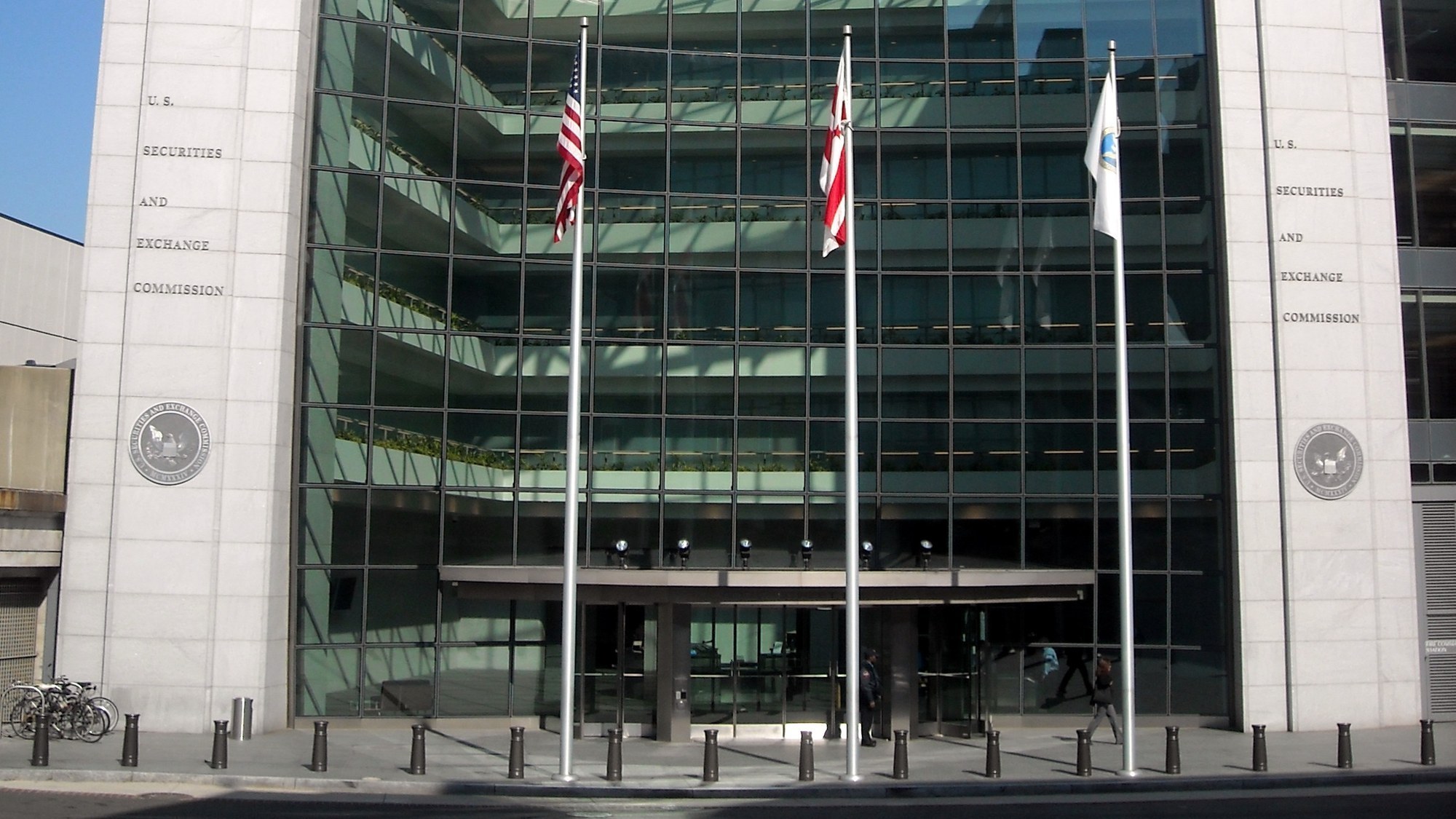
The scale of the problem has grown sharply. The FTC logged more than one million reports in 2025, with aggregate reported losses climbing to $3.5 billion. That figure represents a nearly 20 percent rise from the previous year, and it likely understates the true toll because many victims never file a complaint.
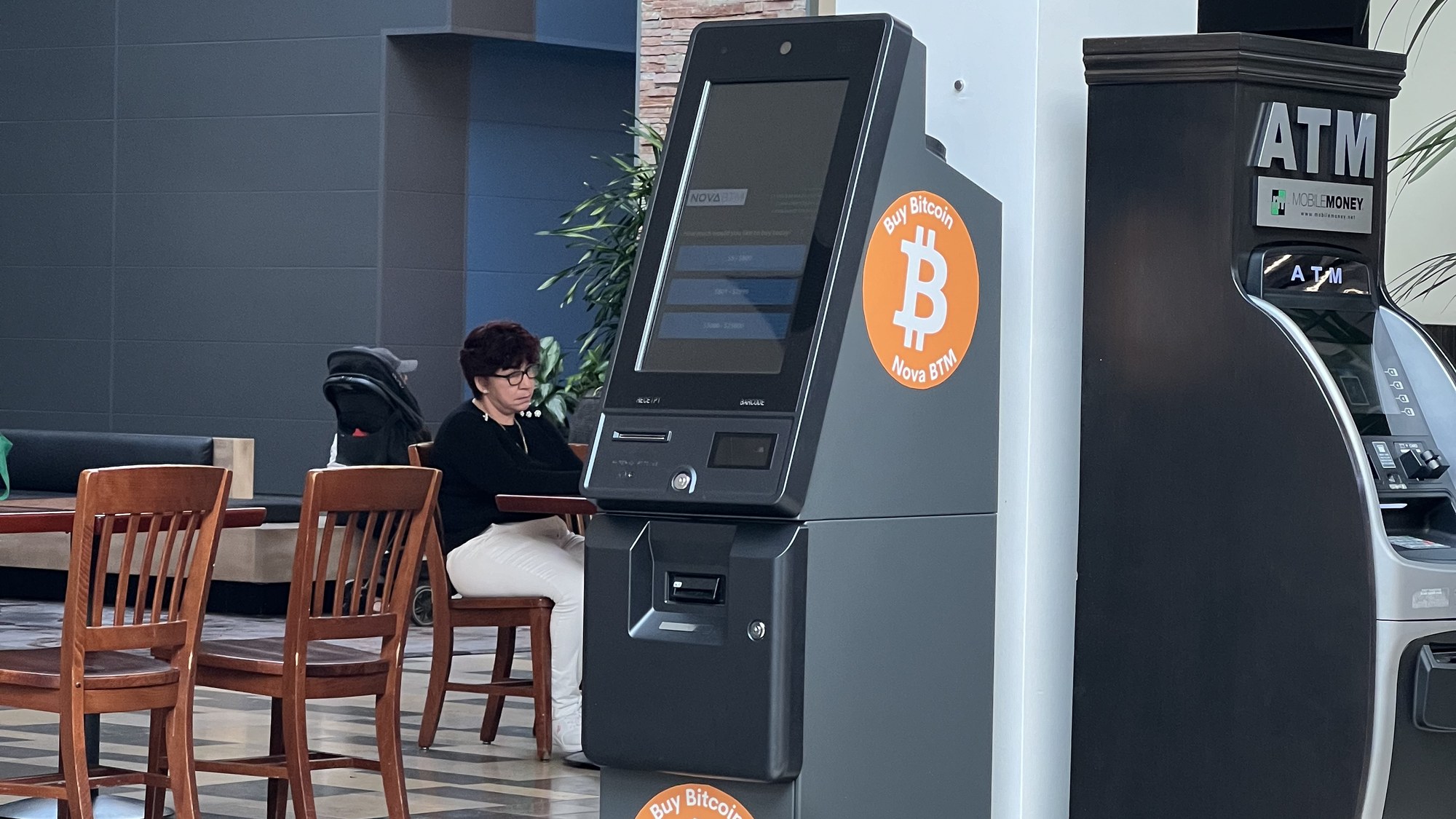
What makes these scams effective is the payment demand. The FTC’s Office of Inspector General warns that scammers impersonating the agency itself routinely ask for cryptocurrency, wire transfers through services like MoneyGram or Western Union, payment-app transfers, and gift cards. Each of these methods shares one trait: once the money leaves the victim’s hands, recovery is rare. Gift cards can be drained within minutes. Wire transfers clear quickly across borders. Cryptocurrency moves through wallets that victims cannot freeze or recall.
The FTC’s consumer guidance on this point is blunt: “If anyone says you have to wire money or pay with a gift card or cash reload card, it is a scam.” No legitimate business, court, or federal agency collects payment this way. The same principle applies to anyone claiming to represent the IRS, Social Security Administration, or a utility company. The demand itself is the tell.
Gift cards still dominate, but crypto losses remain hard to measure
Gift cards have held their position as the preferred extraction tool for years. The FTC has tracked this pattern through its Sentinel data book, which aggregates fraud reports from hundreds of law enforcement partners. A separate FTC analysis confirmed that gift cards remain the payment method scammers favor most, a finding that has held across multiple annual data cycles.
Cryptocurrency, however, is gaining ground in imposter schemes. The FTC’s Inspector General office lists crypto alongside wire transfers and payment apps as a standard demand in impersonation calls. The open question is whether crypto losses will soon overtake gift cards in dollar terms. The latest public Sentinel data release does not break out 2025 imposter losses by exact payment rail, so a direct comparison between gift-card and crypto totals is not yet available. Wallet-tracing technology has improved, and if the FTC begins coding crypto complaints with greater specificity, future data books could reveal a shift that current aggregate numbers obscure.
That gap in the data matters for consumers. Without a clear breakdown, it is difficult to know which payment channel is growing fastest or where enforcement resources would do the most good. The FTC’s 2024 Data Spotlight on impersonation scams described how callers use urgency and emotional pressure to override skepticism, but the agency has not yet published a detailed 2025 payment-method analysis. Until that arrives, the safest assumption is that any request for immediate payment by gift card, wire, or crypto should be treated as an attempted fraud.
How impersonators hook victims
Imposter scams work because they weaponize trust and fear. Callers often spoof official phone numbers, use real-sounding badge or case numbers, and reference recent news events to make their stories plausible. Many claim that the victim faces arrest, account closure, or deportation unless they act at once. Others pose as tech support, insisting that a computer is infected and that remote access and payment are required to prevent data loss.
The FTC’s educational materials stress that legitimate agencies will not threaten arrest over the phone or demand payment in untraceable forms. In one widely shared FTC video resource, investigators walk through common scripts scammers use, including fake government benefits, phony prize winnings, and sham debt-collection calls. The patterns are consistent: an unexpected contact, a high-pressure story, and a push toward one of a few hard-to-reverse payment channels.
Once a victim complies, scammers typically move fast. Gift card numbers are entered into automated tools that empty balances almost instantly. Crypto transfers are split across multiple wallets, sometimes converted to privacy-focused coins. Wire transfers are routed through intermediaries who cash out and disappear. These tactics make traditional chargebacks or reversals ineffective, which is why the FTC emphasizes prevention rather than recovery.
Protecting yourself and reporting scams
Consumers can reduce their risk by following a few core rules. Do not trust caller ID, since numbers can be spoofed. Hang up on unsolicited calls demanding money, then independently look up the organization’s official contact information and verify any claim. Never read gift card numbers over the phone, send cryptocurrency to someone you have not met in person and verified, or wire money to resolve a surprise problem.
If you suspect an imposter scam, the FTC urges you to stop communication immediately and report the incident. Complaints help investigators spot trends, disrupt operations, and warn others. Even if the money cannot be recovered, each report adds to the picture of how scammers are shifting their tactics, which payment methods they favor, and which communities they target.
The 2025 surge in imposter-scam losses underscores a simple reality: as long as criminals can exploit untraceable payment channels, they will. Until regulators and industry can close those gaps, the most effective defense is public awareness-recognizing that the way someone asks you to pay may be the clearest sign that something is wrong.