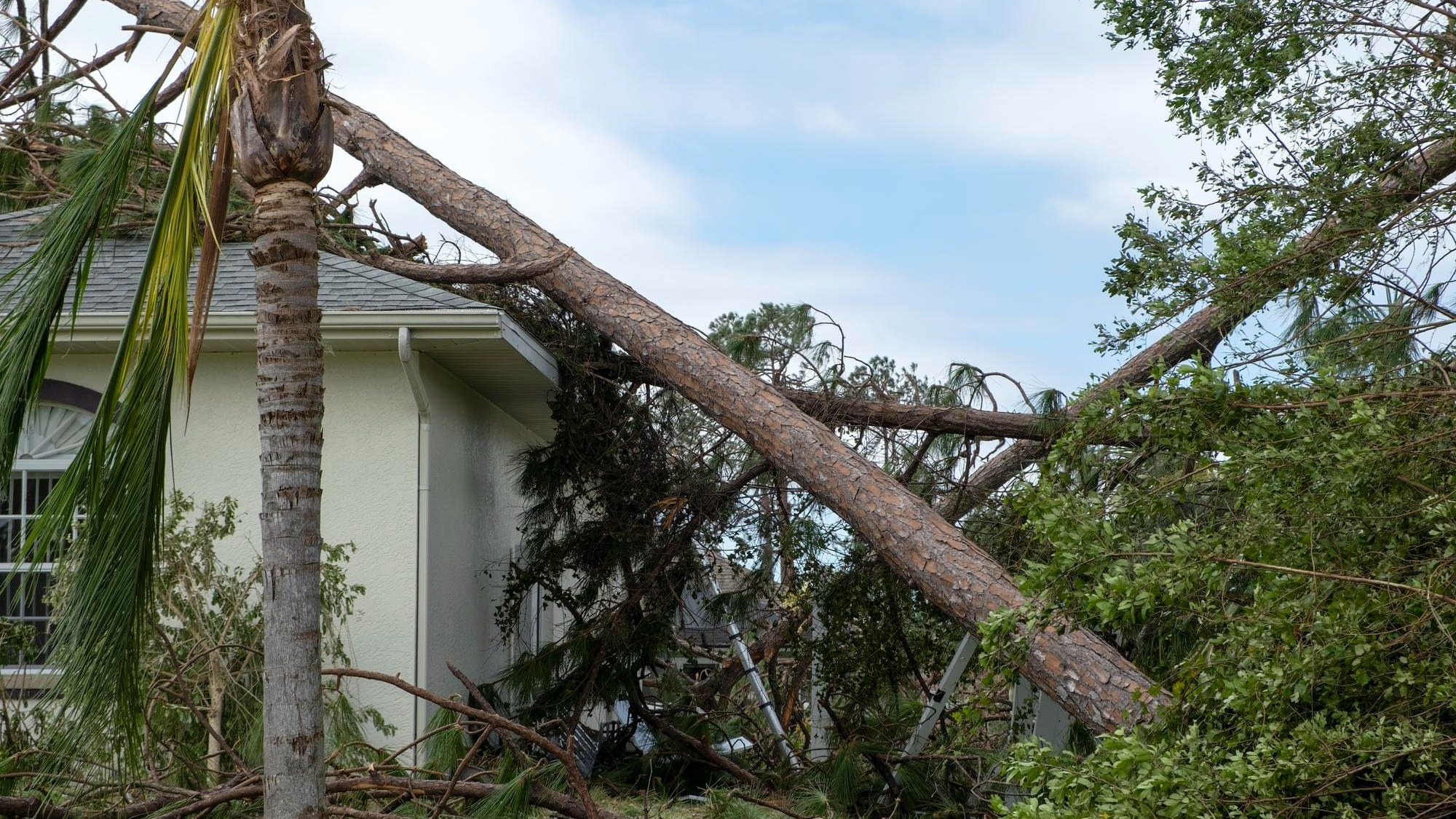
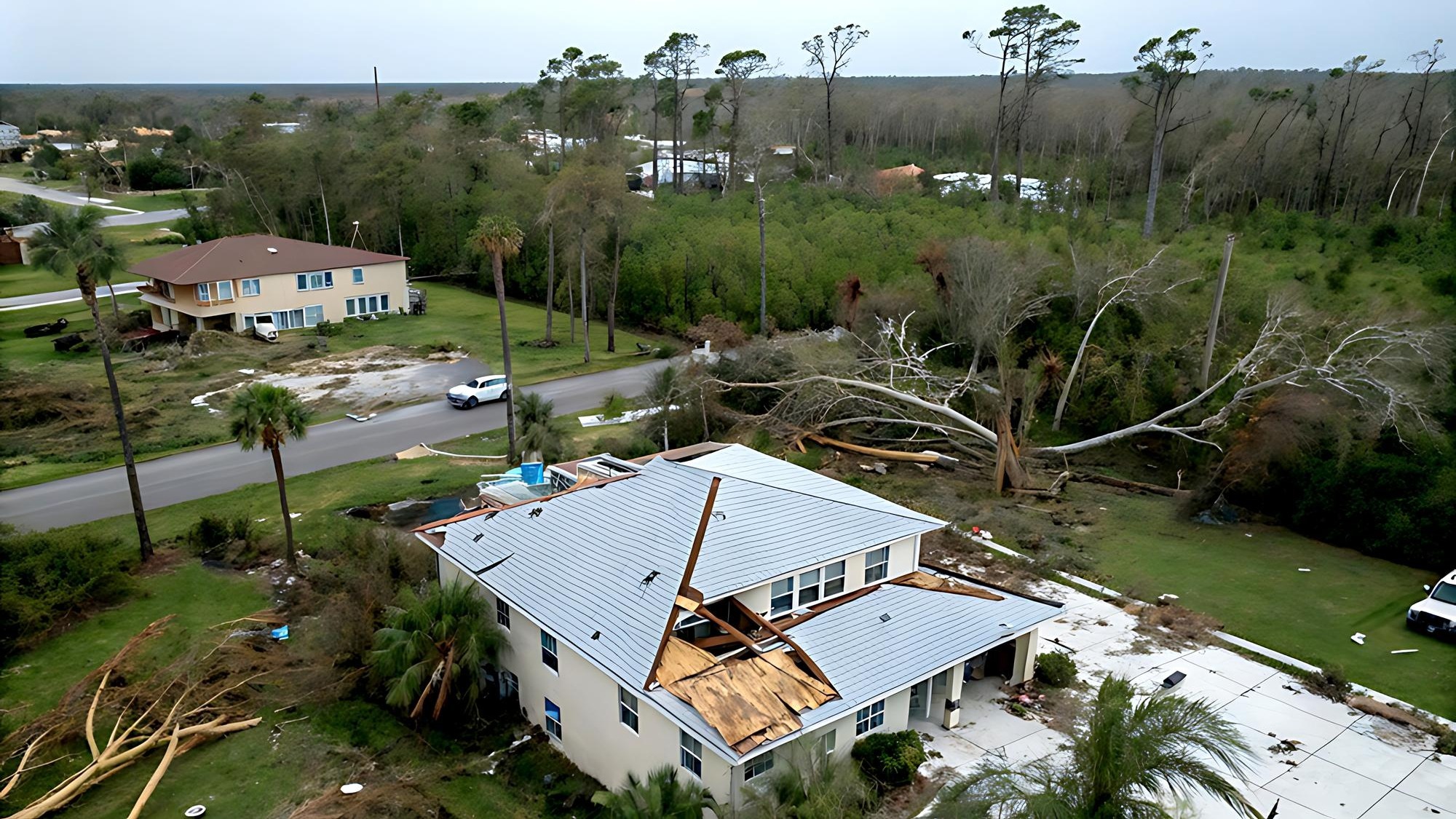
Roughly one in seven U.S. homes now lacks homeowners insurance, according to a Federal Reserve survey of household finances, as carriers accelerate their retreat from areas hit hardest by wildfires, hurricanes, and severe storms. Federal data covering all 50 states and the District of Columbia show that nonrenewal activity has climbed steadily since 2018, with the sharpest pullbacks concentrated in ZIP codes that catastrophe models flag as highest risk. The result is a widening gap between where people live and where they can buy affordable coverage.
Nonrenewal rates and the spreading coverage gap
The scale of insurer withdrawals is now visible at a granular level. A dataset released by the U.S. Treasury’s Federal Insurance Office covers over 330 insurers and more than 246 million policies aggregated to the ZIP code level for 2018 through 2022. Its central finding: nonrenewal rates in the highest-risk ZIP codes ran about 80 percent higher than in lower-risk areas. That gap did not appear overnight. It widened as carriers updated their exposure models and decided that certain geographies no longer fit their risk appetite.
The Treasury data also found premiums rising faster than inflation in many communities, a trend that prices out homeowners who technically still have access to a policy. A separate analysis by the Government Accountability Office, however, adds a wrinkle. A report from the GAO concluded that, at the national level, premium growth roughly kept pace with inflation, while disaster-prone regions experienced steeper increases. The distinction matters: the national average can mask severe local pain. Homeowners in wildfire corridors or hurricane-exposed counties face price hikes that look nothing like the nationwide trend line, even when the overall statistics appear stable.
Those divergent experiences show up in household behavior. Some owners accept higher deductibles or reduced coverage limits to keep premiums manageable. Others forgo optional protections, such as coverage for additional structures or personal property, to hold down costs. In the most stressed markets, families are simply going uninsured, rolling the dice that they can avoid a catastrophic loss or that government disaster aid will be enough to rebuild if the worst happens.
Federal datasets reveal a 50-state problem
A county-level dataset published by the U.S. Senate Budget Committee tracks nonrenewals across all 50 states and D.C. from 2018 through 2023. That five-year window captures the period when several large carriers began pulling out of California, Florida, and Louisiana, but it also shows rising nonrenewal activity in states not traditionally associated with catastrophic loss, including parts of the Midwest and Mountain West where hail, convective storms, and drought-driven wildfire risk have grown. The pattern suggests that what began as a coastal and wildfire-state story is now a national market adjustment to climate and weather volatility.
California offers the clearest state-level case study. The state insurance department publishes detailed wildfire-related insurance data under Insurance Code Section 929, documenting new policies, renewals, and nonrenewals in fire-affected areas. Those records show sharp drops in renewal activity in wildfire-impacted ZIP codes, consistent with the broader federal findings. In some foothill and forest communities, traditional admitted carriers have largely exited, leaving homeowners to seek coverage from surplus-lines insurers or the state’s last-resort FAIR Plan, often at significantly higher cost and with narrower protections.
The Senate and California datasets also highlight how quickly conditions can change. Areas that saw manageable nonrenewal rates in 2018 experienced abrupt spikes after back-to-back wildfire seasons or clusters of severe storms. Once carriers reassess their risk models, they can move out faster than regulators or consumers can adapt, creating pockets where mortgage holders struggle to meet lender requirements for continuous coverage.
Household impacts and uneven resilience
The Federal Reserve’s survey of economic well-being indicates that the coverage gap is not evenly distributed. Lower-income homeowners, retirees on fixed incomes, and residents of rural or exurban communities are more likely to report being uninsured or underinsured. For these households, even modest premium increases can force hard trade-offs with other essentials such as healthcare, transportation, or education expenses.
At the same time, wealthier households in high-risk zones may maintain coverage but absorb much higher premiums, effectively paying a “climate surcharge” to stay put. That divergence raises concerns about long-term community resilience. If only those with substantial resources can afford to insure in fire-prone canyons or storm-exposed coastal areas, local tax bases and housing markets may gradually hollow out as middle-income families leave or are priced out of both housing and insurance.
Policy responses and the road ahead
Regulators and lawmakers are beginning to grapple with the tension between consumer protection and insurer solvency. Some states are revisiting rate-setting rules to allow more forward-looking catastrophe modeling, hoping that giving carriers greater pricing flexibility will slow or reverse nonrenewal trends. Others are strengthening last-resort insurance mechanisms or exploring public reinsurance backstops to keep private markets functioning in high-risk regions.
Yet the federal and state datasets point to a structural challenge that pricing tweaks alone may not solve. As climate-driven hazards intensify, the actuarial cost of insuring certain properties may simply exceed what many households can pay. Without parallel investments in risk reduction-such as hardening homes against fire and wind, updating building codes, and steering new development away from the most exposed locations-the coverage gap is likely to widen.
For now, the numbers tell a clear story: more Americans live in harm’s way, fewer can secure stable and affordable homeowners insurance, and the mismatch is spreading well beyond the usual disaster hot spots. How policymakers, insurers, and communities respond will shape not just the insurance market, but who can safely and sustainably call these places home.
Free for readers: The free Retirement Shield newsletter sends plain-English help keeping more of your money in retirement — the scams to dodge, the benefits you’re owed, and what’s changing with Social Security and Medicare, a couple times a week. Get the free newsletter.