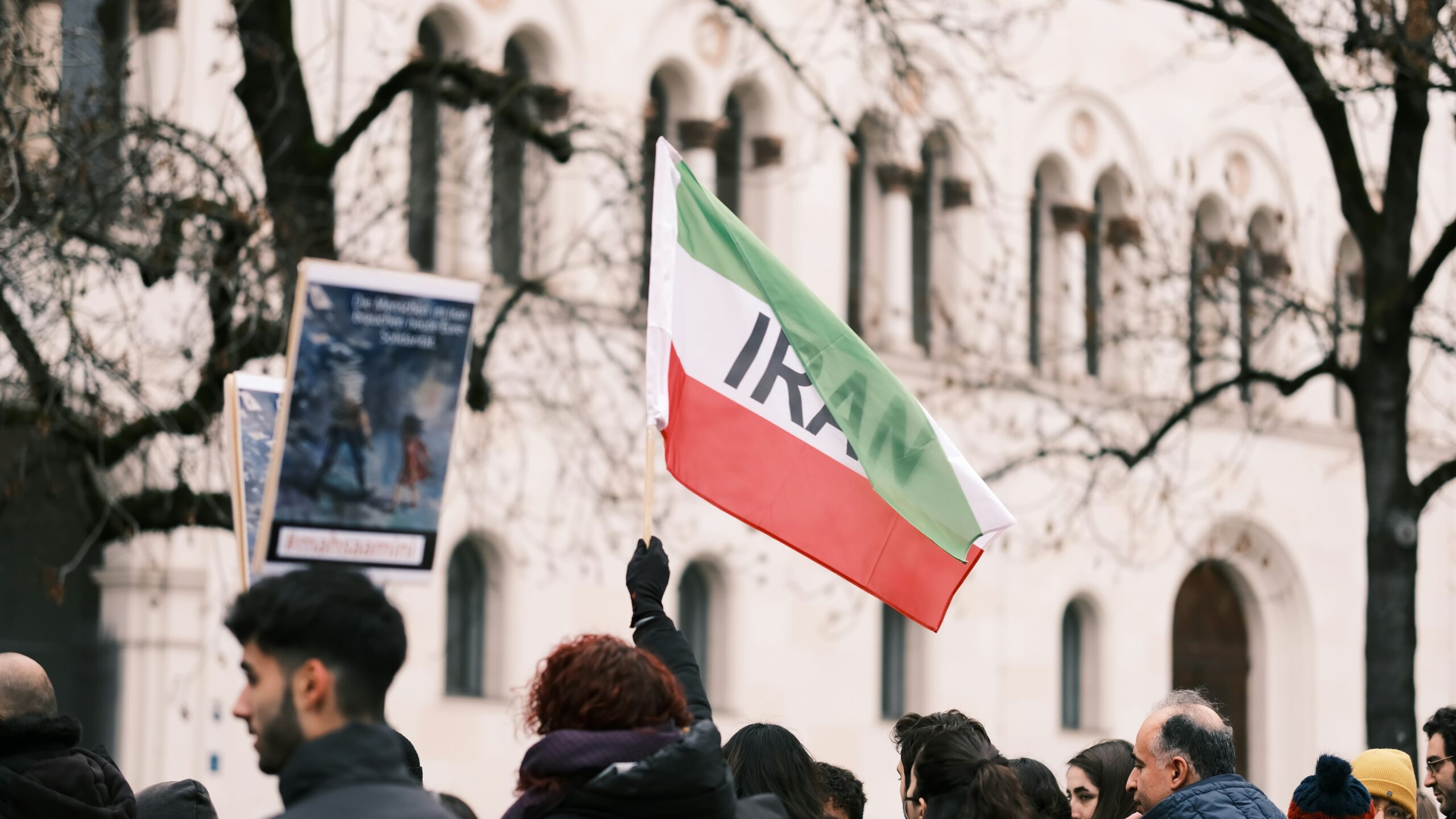
Iran delivered a 14-point counterproposal late Thursday night through Pakistani intermediaries, answering a U.S. peace framework with a plan of its own to end the military conflict between the two countries and reopen the Strait of Hormuz. President Trump said Friday he is reviewing the document but is “not satisfied” with what Tehran has put forward. Iran, for its part, has dismissed Washington’s nine-point framework as an “American wishlist.” The two governments are now trading paper proposals while their navies sit within striking distance of each other in the Persian Gulf, and the world’s most critical oil chokepoint remains partially disrupted.
How the proposals reached the table
The exchange followed a specific sequence. Washington transmitted a nine-point framework to Tehran through intermediaries. Iran responded with a 14-point counterproposal, delivered through Pakistani diplomatic channels on Thursday night, according to Iranian state news agencies IRNA, Tasnim, and Fars, whose accounts were relayed by the Associated Press. IRNA specified that Pakistani officials received the document on their soil before passing it to the American side through established back channels.
Neither proposal has been published or summarized in detail by any official. The specific demands, whether they involve sanctions relief, nuclear enrichment caps, security guarantees, or military withdrawal timelines, remain unknown. Even the nine-point structure of the American plan comes from Iranian state media descriptions, not from any U.S. government disclosure.
Tehran’s public posture has been consistent: the American framework asks too much and offers too little. Iranian state outlets have characterized it as a one-sided set of demands, a framing that aligns with the government’s longstanding complaint that Washington seeks concessions without proportional commitments in return.
Trump’s response, delivered in pooled press remarks on Friday and carried by multiple White House press pool reports, was characteristically direct. His “not satisfied” assessment signals that Iran’s 14 points have not met what the White House considers its baseline, though the administration has not said publicly what that baseline is. The gap between the two positions appears wide.
The Strait of Hormuz and the economic pressure driving talks
The Strait of Hormuz is the single most important oil transit chokepoint on the planet. According to the U.S. Energy Information Administration’s 2024 analysis, approximately 21% of global petroleum liquids consumption passes through the narrow waterway. When it is disrupted, the consequences are not abstract. Fuel costs climb for consumers worldwide. Supply chains across Asia and Europe buckle. Oil-importing nations face the choice of drawing down strategic reserves or paying steep premiums for alternative routes.
That pressure is already being felt. War-risk insurance premiums for tankers transiting the Persian Gulf have risen sharply since the conflict began, according to shipping industry reports carried by the Associated Press, and several major tanker operators have rerouted cargoes to avoid the area. Helima Croft, head of global commodity strategy at RBC Capital Markets, told CNBC in late May 2026 that “the insurance and rerouting costs alone are acting as a de facto tax on global trade.”
The economic leverage cuts both ways. As the Associated Press has reported, the United States cannot sustain a prolonged closure without political fallout from rising energy prices, and Iran, whose own oil exports depend on the strait, cannot blockade the waterway without strangling its own revenue. That mutual vulnerability is widely seen as the primary force pulling both governments toward negotiation, even as their public rhetoric stays combative.
Pakistan’s role as go-between
Pakistan has positioned itself as the intermediary in these exchanges, a role rooted in geography and diplomacy. Islamabad sits between the Persian Gulf and Central Asia and maintains working relationships with both Washington and Tehran. IRNA confirmed the handover took place on Pakistani soil, and Iranian state outlets described the transmission in procedural terms.
How deep Pakistan’s involvement runs is unclear. No Pakistani government official has spoken on the record about the mediation. Whether Islamabad is simply passing sealed documents between the two sides or actively helping shape compromise language has not been disclosed. Pakistan has historically balanced cooperation with the United States on security matters against its ties with Iran, a dynamic that makes it a plausible but potentially limited go-between.
Major gaps in the public picture
Phone negotiations between U.S. and Iranian representatives are continuing, according to AP reporting, but almost nothing about them is confirmed. The identities of the negotiators, the frequency of calls, and whether any interim confidence-building steps have been agreed upon, such as limits on naval maneuvers near the strait, all remain undisclosed.
There is also no public clarity on how unified each government is behind its proposal. Iran’s political and security establishment includes competing power centers, from the presidency to the Islamic Revolutionary Guard Corps, and it is not clear whether the 14 points represent a consensus position or an opening bid from one faction. On the American side, the internal debates, red lines, and fallback positions within the Trump administration have not surfaced publicly.
Gulf Arab states, which depend on the strait for their own oil exports and imports, have been notably silent. Saudi Arabia, the UAE, and other regional players have enormous stakes in the outcome, but none have issued detailed public statements about the proposals. Whether they are pressuring Washington to compromise, urging a harder line, or pursuing their own parallel channels with Tehran is another significant unknown.
What comes next for the Strait of Hormuz negotiations
As of late May 2026, the diplomacy is structured but fragile. Both sides have committed positions to paper. A mediation channel through Pakistan is functioning. Phone talks continue. And the economic toll of a disrupted Strait of Hormuz is creating pressure that neither capital can ignore for much longer.
But the distance between the two proposals looks substantial. Trump’s public dissatisfaction and Iran’s dismissal of the American framework suggest this exchange is closer to an opening round than a near-agreement. The absence of published texts means allied governments, energy traders, and military planners are all operating with limited information about what a deal might actually require.
The next phase will turn on whether either side adjusts its position enough to keep the channel open, or whether the talks stall and the military standoff around the strait escalates. For now, the proposals exist, the mediators are working, and the narrow waterway that carries a fifth of the world’s oil remains caught between two governments that cannot afford to keep fighting over it and have not yet figured out how to stop.