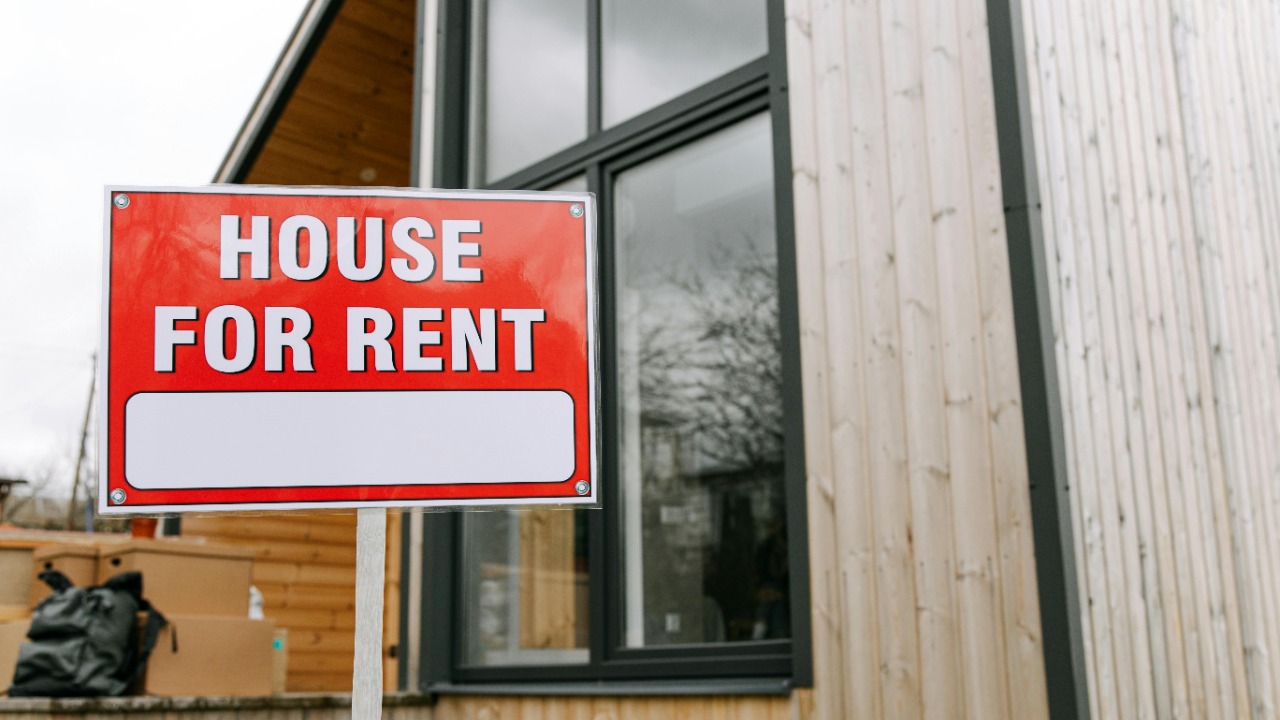
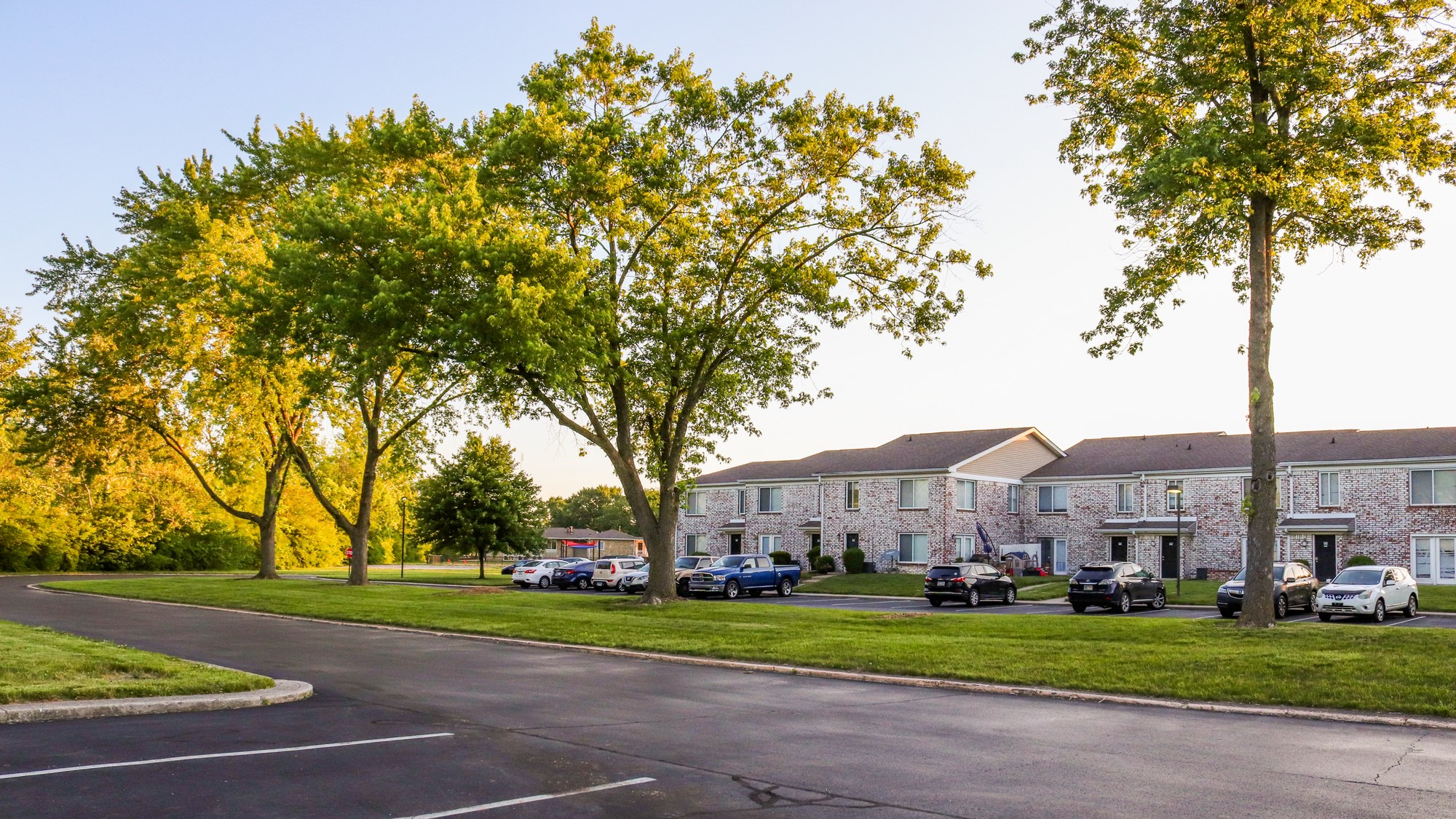
Los Angeles renters are finally getting a break. After years of relentless increases, new-lease rents across the LA metro area have fallen back to their lowest point since early 2022, giving tenants more room to negotiate in one of the nation’s most expensive housing markets.
The shift does not mean Los Angeles has suddenly become affordable. It does mean the pressure has eased. More apartments are coming online, vacancy is higher than it has been in years, and demand has cooled enough to force landlords to compete harder for tenants rather than the other way around.
Rents fall back to early-2022 levels
The clearest sign of that reversal came in Apartment List data cited by the Los Angeles Times. The median rent for a new lease in the LA metro area fell to $2,167 in December 2025, the lowest reading since January 2022. For Los Angeles County alone, the median fell to $2,035, also a four-year low.
That matters because Apartment List is tracking what renters are actually signing for in new leases, not simply what landlords hope to get when they post a listing. The company’s published methodology ties its estimates to Census data on recent movers and then updates those figures using repeat rental transactions, making the measure more useful than headline asking prices alone.
In plain terms, this is a measure of where the market is clearing. And right now, it is clearing lower than it was a year ago and far below the frenzied stretch when many renters felt they had no leverage at all.
Vacancy is rising, and landlords are feeling it
The biggest reason is supply. According to the same reporting, LA saw 15,095 multifamily units completed in 2025, up 18% from the prior year and one of the strongest annual totals of the last decade. That new inventory is arriving at exactly the moment demand has softened, and the result is a rental market that looks very different from the one tenants faced two or three years ago.
Apartment List’s vacancy index climbed to 5.3% in December, the highest level since April 2021, according to the same LA Times report. That is not a collapse. It is, however, high enough to force competition among property owners, especially in neighborhoods with a cluster of newly opened buildings.
When vacancies rise, the market changes quickly. Apartments sit available longer. Leasing offices that once had a wait-and-see attitude have to move faster. Concessions start to reappear. One month free, reduced deposits, parking discounts, and flexible renewal terms all become more common when filling units becomes harder.
That is especially true in higher-end properties, where a wave of new deliveries can pull renters from older buildings nearby. Once that happens, owners of aging stock often have little choice but to cut effective rents or sweeten lease terms to stay competitive.
Demand has cooled as job growth slows
Supply is only half the story. The other half is that LA is not adding renters fast enough to absorb all of the new apartments coming onto the market. The U.S. Bureau of Labor Statistics reported that nonfarm employment in the Los Angeles-Long Beach-Anaheim metro area rose just 0.3% over the year ended in November 2025. For a market of this size, that is weak growth.
Slower hiring tends to translate into softer rental demand. Fewer people move to the area for new jobs. Fewer households split up into separate apartments. Fewer renters feel comfortable stretching for a more expensive unit. Even if employment is still growing, a sluggish pace can be enough to cool the market when new supply is hitting all at once.
Population trends have also become less supportive than they once were. California’s Department of Finance showed California’s population grew modestly in the year through July 1, 2025, but Los Angeles County moved in the opposite direction, losing about 28,000 residents over that period, according to figures highlighted in coverage of the state release. That does not mean every part of LA is shrinking in the same way, but it does help explain why so many newly completed units are chasing a softer pool of renters.
Why this slowdown looks more real than seasonal
Every winter rental market tends to cool, so one weak month by itself would not mean much. But this looks broader than a seasonal blip. The drop in rent lines up with a measurable jump in vacancy, a sizable increase in apartment completions, and a labor market that is expanding too slowly to soak up the extra supply.
That combination is what makes the story more convincing than the typical month-to-month rent move. The market is not just pausing. It is adjusting. Los Angeles is still expensive, but it is no longer operating with the same degree of scarcity that let landlords push through near-automatic increases after the pandemic rebound.
The broader national backdrop points in the same direction. Realtor.com’s December 2025 rental report found that asking rents across major U.S. metros were still declining year over year, showing that renters in many markets have gained some breathing room. What stands out in Los Angeles is that the local cooling has become pronounced enough to push new-lease rents back to early-2022 levels.
What it means for renters on the ground
Image by Freepik
For tenants, the practical effects are straightforward. Renters shopping for a new place now have more choices and more negotiating power. In some parts of the market, especially near new luxury developments, the advertised rent is no longer the final word. Prospective tenants can ask about waived fees, a free month, reduced parking charges, or a lower monthly rate and have a much better chance of getting a yes.
Renters with expiring leases also have more leverage than they have had in years. Instead of assuming that renewal means a bigger bill, they can point to nearby vacancies and comparable listings as evidence that a flat renewal or modest cut makes more sense. Even where landlords do not lower the base rent, many are more willing to negotiate on other costs to avoid turnover.
That relief will not reach everyone equally. Tenants in rent-stabilized housing are already operating under a different set of rules. Lower-income renters in older buildings may not see dramatic price drops if their units never experienced the steepest run-up to begin with. And even at $2,167, the median new-lease rent in the metro remains painfully high for many households once groceries, utilities, transportation, and insurance are factored in.
Still, the balance of power has shifted enough to matter. In a city where renters have spent years feeling trapped, even a modest market reset changes behavior. Households can comparison-shop again. Some can move into a better apartment without taking on a much larger payment. Others can stay put without feeling certain that the next renewal will force them out.
How long the renter-friendly window lasts
That will depend on whether supply keeps outrunning demand. If job growth strengthens and population trends stabilize, today’s vacancy cushion could narrow and rents could begin climbing again. If apartment construction slows sharply because financing remains expensive, the pipeline could thin out over time and restore some pricing power to landlords.
For now, though, the underlying forces still favor renters. Los Angeles has more completed apartments hitting the market, vacancy is elevated by recent standards, and demand remains soft enough that landlords have fewer easy wins. In a region where rent relief has been hard to find, that is a meaningful change, not just a statistical footnote.
The bigger takeaway is simple: Los Angeles is still one of America’s toughest rental markets, but it is no longer moving in only one direction. As long as supply keeps arriving faster than renter demand, tenants should continue to have more leverage than they have seen in years.
Peter Richardson is a finance writer based in Raleigh, North Carolina, specializing in tax and small business financial topics. He earned his degree in accounting from North Carolina State University and began his career working at a local accounting firm, where he focused on tax preparation and financial reporting for individuals and small businesses. He now writes for finance and small business websites, producing clear, practical content that helps readers better understand taxes, expenses, and everyday financial decisions.