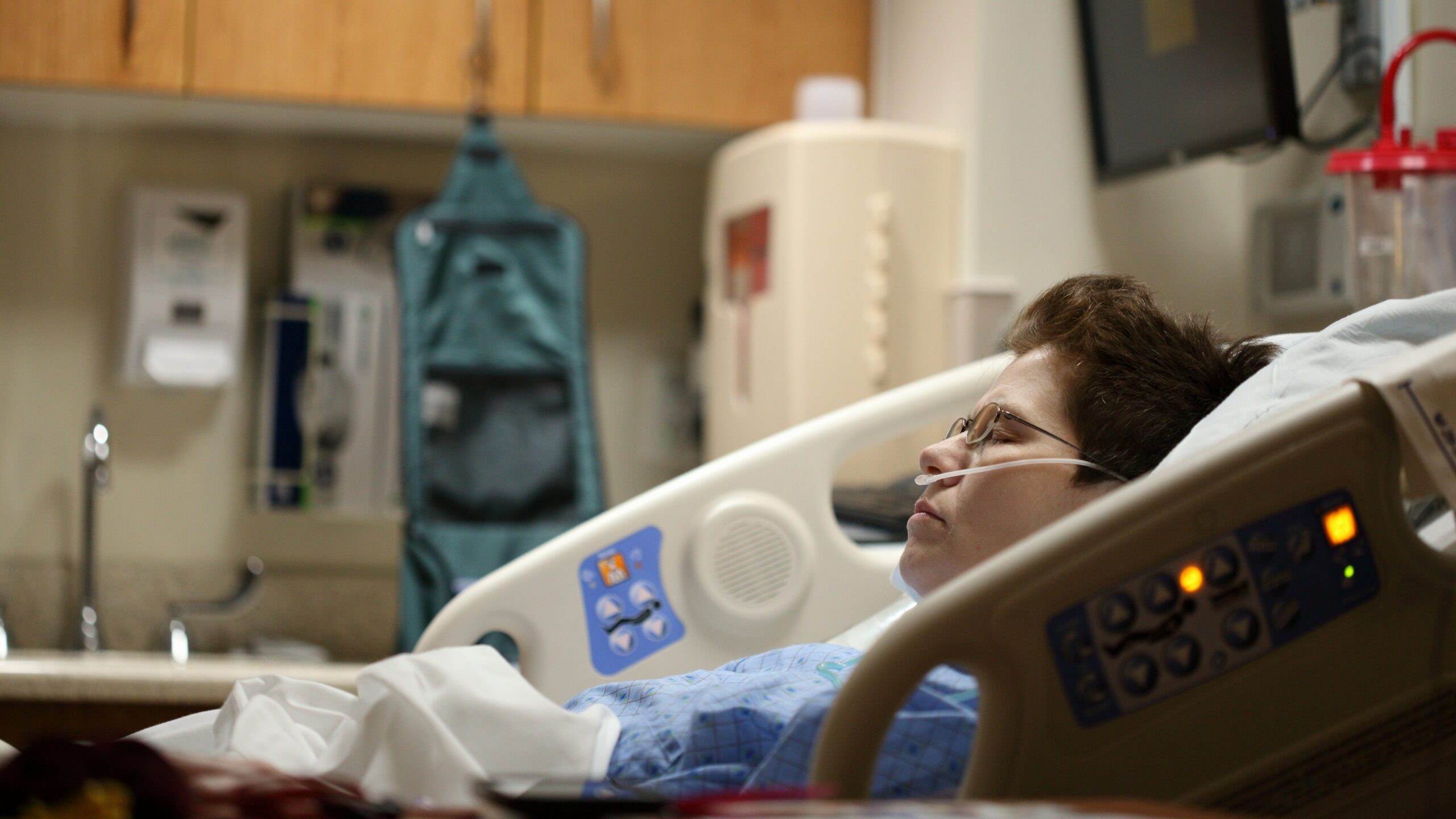
For many older Americans, a night spent in a hospital bed feels like the same thing regardless of what the paperwork says. Medicare, though, draws a sharp and costly line between a patient who is formally admitted as an inpatient and one who is merely held for “observation,” and that single classification can decide who pays for the care that follows. A retiree can spend two or three nights in a hospital, leave believing everything was covered, and weeks later open bills that Medicare will not pay. Understanding the difference before a hospital stay, rather than after, is often what separates a covered recovery from a financial disaster.
What observation status actually means
Observation status is a billing label, not a description of the room or the level of care a patient receives. A person kept under observation may lie in an ordinary hospital bed, be connected to monitors, undergo tests, take prescribed medication, and stay overnight, all while the hospital records the visit as outpatient care rather than an inpatient admission. Nothing about the bedside experience signals the difference, which is precisely why families are caught off guard when the statements arrive. The doctors, nurses, and equipment can be identical to those an admitted patient sees.
That outpatient label carries real financial weight. Because observation is treated as outpatient care, it is billed under Medicare Part B, not Part A, the part of Medicare that covers inpatient hospital stays. Under Part B, cost-sharing works differently from the single inpatient hospital deductible, and routine drugs a patient normally takes at home may not be covered during an observation stay, which leaves the hospital free to bill for them separately. Several small charges that would have been folded into an inpatient admission can instead land as separate outpatient costs.
Free for readers: One number can cost or save hundreds a month in retirement. The free Retirement Shield newsletter surfaces the ones worth knowing. Sign up free.
The skilled-nursing trap that costs the most
The heaviest blow usually lands after discharge. Medicare helps pay for care in a skilled nursing facility only when that care follows a qualifying inpatient hospital admission of at least three consecutive days, a threshold Medicare spells out in its skilled-nursing coverage rules. Time logged under observation does not count toward those three days, no matter how many nights a patient actually spends in the building. The day of discharge does not count either, which narrows the window further.
The gap this creates can be enormous. A retiree who falls, is held three nights for observation, and then needs weeks of rehabilitation in a nursing facility may assume Medicare will step in, only to learn that the observation nights never satisfied the three-day rule. Without a qualifying inpatient stay behind it, the skilled-nursing bill falls entirely on the patient, and that kind of care commonly runs into the hundreds of dollars a day. A stay of a few weeks can turn into a five-figure charge that no one saw coming.
How quickly the costs stack up
Two separate expenses can hit at once. During the observation stay itself, Part B cost-sharing and non-covered self-administered drugs add up, and Medicare’s own breakdown of program costs shows how outpatient charges are structured differently from the flat deductible an admitted patient would face. Then, if skilled-nursing care is needed afterward, the full facility bill arrives with no Medicare contribution behind it. For a household on a fixed income, the combination can drain a savings cushion in a matter of weeks, long before anyone understands why the coverage never applied. Some patients also face charges for the ambulance ride or the emergency-room visit that preceded the observation stay, none of which counts toward an inpatient admission. The pattern is consistent: a series of moderate outpatient charges that, added together, dwarf what the same care would have cost under a straightforward inpatient admission.
The notice that comes too late
Federal rules do require hospitals to warn patients when this is happening. A facility that keeps someone under observation for more than 24 hours must deliver a written and verbal Medicare Outpatient Observation Notice, often called the MOON, explaining that the person is being treated as an outpatient and what that means for coverage. The notice is genuinely useful, but it is only an explanation. It does not change the patient’s status, and by the time it is handed over, the observation clock has often already been running for a full day.
Why so many stays fall into this gray zone
Observation status did not become widespread by accident. Hospitals face financial penalties and audits when Medicare later decides an inpatient admission was not justified, so many have grown cautious, holding patients for observation while physicians decide whether a full admission is warranted. The result is that a category meant for short, uncertain cases now stretches across multi-night stays that look and feel like admissions. Federal watchdogs have repeatedly flagged how often long observation stays leave beneficiaries exposed to skilled-nursing costs, and the practice has persisted even after the warning notices became mandatory.
Steps that can change the outcome
Because status is a decision rather than a fixed fact, there is room to act. Older patients and their families can ask directly whether a stay is being billed as inpatient or observation, and can ask the treating physician whether a formal admission is warranted based on the medical situation. When a hospital issues a MOON, that is the signal to press the question before discharge, while the classification still matters most. After the fact, a beneficiary who believes an observation stay should have been an admission can pursue Medicare’s appeal process, and recent policy changes have expanded the ability of some patients to formally challenge the classification.
The larger lesson for retirees is that the label can matter as much as the care. Two people can receive identical treatment in identical beds, and the one marked “admitted” may owe a manageable share while the one marked “observation” faces a bill for an entire nursing-home stay. Knowing to ask about status, early and in writing, is frequently the difference between coverage that holds and a surprise that upends a budget.
Free for readers: Social Security and Medicare change every year, and nobody sends a memo. The free Retirement Shield newsletter breaks down what changed and what to do. Get it free in your inbox.
This article was researched and drafted with AI assistance and reviewed against the linked primary sources.