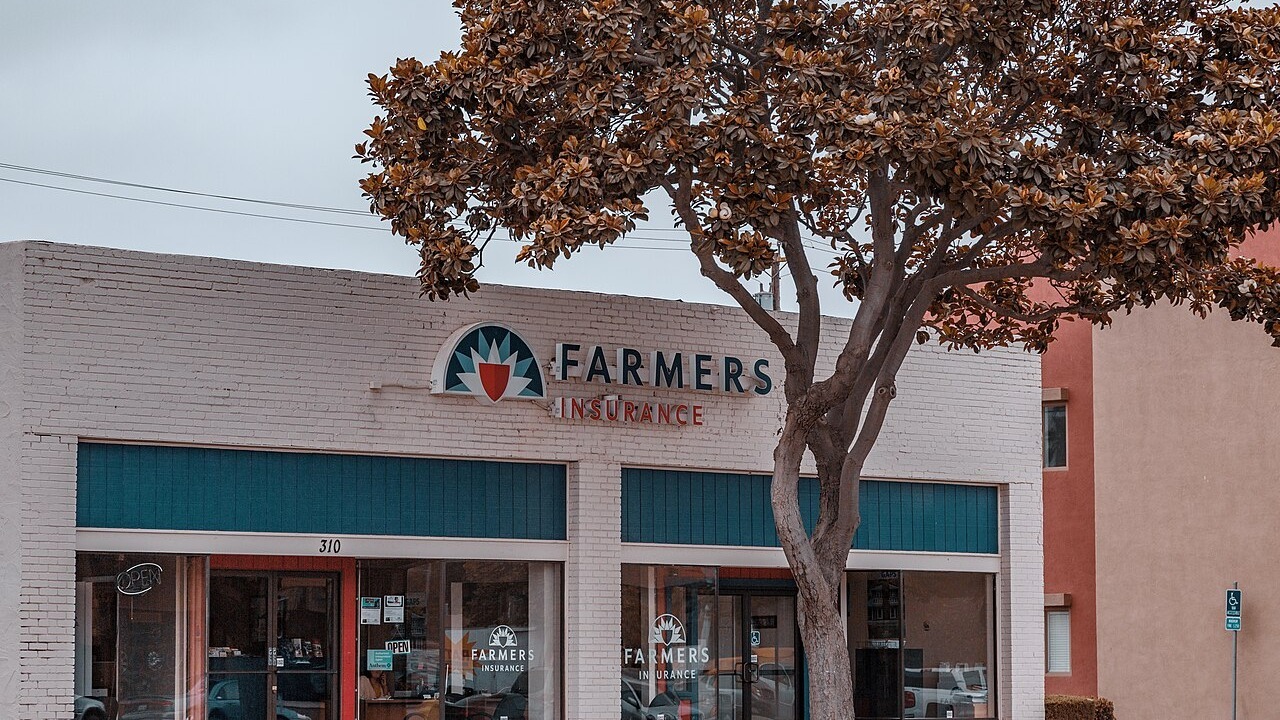
A class-action settlement is turning unwanted robocalls and text messages into a small but real payment for the people who received them. Under the agreement, certain Farmers Insurance customers and prospects who got automated telemarketing calls or texts without agreeing to them can file for up to $160, and the window to submit a claim closes on September 14, 2026. For older Americans, who field a disproportionate share of these calls, the amount is modest, but the paperwork is quick and the deadline is firm.
What the settlement covers
The case is known as Heckathorn v. Farmers, and it resolves claims under the federal Telephone Consumer Protection Act, the law that restricts automated marketing calls and texts to people who have actually consented to receive them. Farmers agreed to create a settlement fund of roughly $2.87 million to close the matter without admitting any wrongdoing, a common structure in disputes of this kind. Because that pool is fixed, the money is divided among everyone who files a valid claim, which is why individual payments are capped rather than guaranteed at the full amount.
The class is defined narrowly. It covers people who received two or more telemarketing calls or text messages from certain Farmers insurance agents between April 19, 2020 and June 15, 2026, according to a summary of the $2.87 million settlement. Someone who got a single message, or messages from an agent outside the covered group, generally falls outside the class. The precise wording matters, because the administrator relies on it to decide which claims are eligible to be paid.
Free for readers: Every year, billions in settlements and unclaimed money go unclaimed. The free Retirement Shield newsletter sends the real ones, with deadlines, a couple times a week. Get the free newsletter.
How much a claim is worth, and how to file
The headline figure of up to $160 is a ceiling, not a promise. In settlements funded by a fixed pool, the administrator adds up the valid claims and divides the available money, so the final per-person payment can land below the maximum if a large number of people file. Even at a reduced amount, a payout for a few minutes of paperwork is a meaningful return for a household living on a fixed income, and there is never a cost to submit a claim.
Practically, the people most likely to fall inside the class are those who once requested a quote, held a policy, or otherwise came into contact with a Farmers agent and then kept receiving automated marketing after that relationship cooled. Old text threads, call logs, or voicemail from a Farmers agent can help a person judge whether the two-message threshold was met. When eligibility is uncertain, the official settlement notice and claim form spell out the exact criteria and should be checked before assuming a claim will or will not qualify.
Claims are handled by Heckathorn TCPA Settlement, in care of Atticus Administration in St. Paul, Minnesota, the third-party administrator named to verify and pay them. A rundown of class-action settlements currently open for claims lists the Farmers case among those still accepting filings ahead of the September 14, 2026 deadline. Most claimants file online or by mail using basic identifying information, and keeping a copy of the submission along with any confirmation number provides a record if a question comes up later.
One point deserves real care. A separate Farmers TCPA settlement, carrying a different payout and an earlier deadline, has been circulating at the same time, and confusing the two is easy to do. This article concerns only the settlement that pays up to $160 and closes claims on September 14, 2026. Anyone who encounters a different dollar figure or a different date is almost certainly looking at the other case and should confirm the class definition before filing, so the claim reaches the correct administrator.
Why a phone call can turn into a payment
The reason an unwanted call can translate into money is built into the TCPA. The law sets statutory damages for calls and texts sent without consent, which means a company does not have to cause any measurable financial harm to owe something; the violation by itself carries a price. Federal regulators enforce the same consent rules, and the Federal Communications Commission’s guidance on stopping unwanted robocalls and texts lays out when consent is required and how to report calls that break the rules.
Prevention still beats collecting a small settlement check later. Registering a number with the National Do Not Call Registry makes most legitimate telemarketing calls unlawful after 31 days and creates a cleaner record when a company calls anyway. Retirees, who are targeted heavily by both lawful marketers and outright scammers, gain the most from pairing that registration with call-blocking tools and a simple habit of letting unknown numbers go to voicemail.
There is also a second-order risk worth naming. News of a payout tends to attract impostors who pose as a settlement administrator or a “claims department” and ask for a fee or bank details to release the money. Legitimate settlements never charge to collect, so a request for payment up front is a reliable sign of a scam rather than a real claim.
The deadline is the whole game
The most common reason eligible people miss out on a settlement is not that they fail to qualify. It is that they wait. A claim that takes a few minutes is easy to set aside when the deadline is still months off, and once September 14, 2026 arrives, the right to file simply disappears, regardless of how many unwanted calls a person actually received. Treating the date as fixed rather than flexible is the honest way to view it, because the window is open now and will not reopen afterward.
The bottom line
The Heckathorn settlement will not transform anyone’s retirement, but it is a clean example of consumer-protection law working the way it was meant to: a company that sent automated marketing without consent now has to pay the people it contacted. Eligible recipients can claim up to $160 from the roughly $2.87 million fund, the class covers two or more covered calls or texts sent between April 2020 and June 2026, and the claim window shuts on September 14, 2026. Confirming eligibility against the official class definition and filing before that date is all it takes.
Free for readers: Miss an enrollment or claim deadline and it is gone. The free Retirement Shield newsletter stays ahead of the ones that matter. Get the free newsletter.
This article was researched and drafted with AI assistance and reviewed against the linked primary sources.