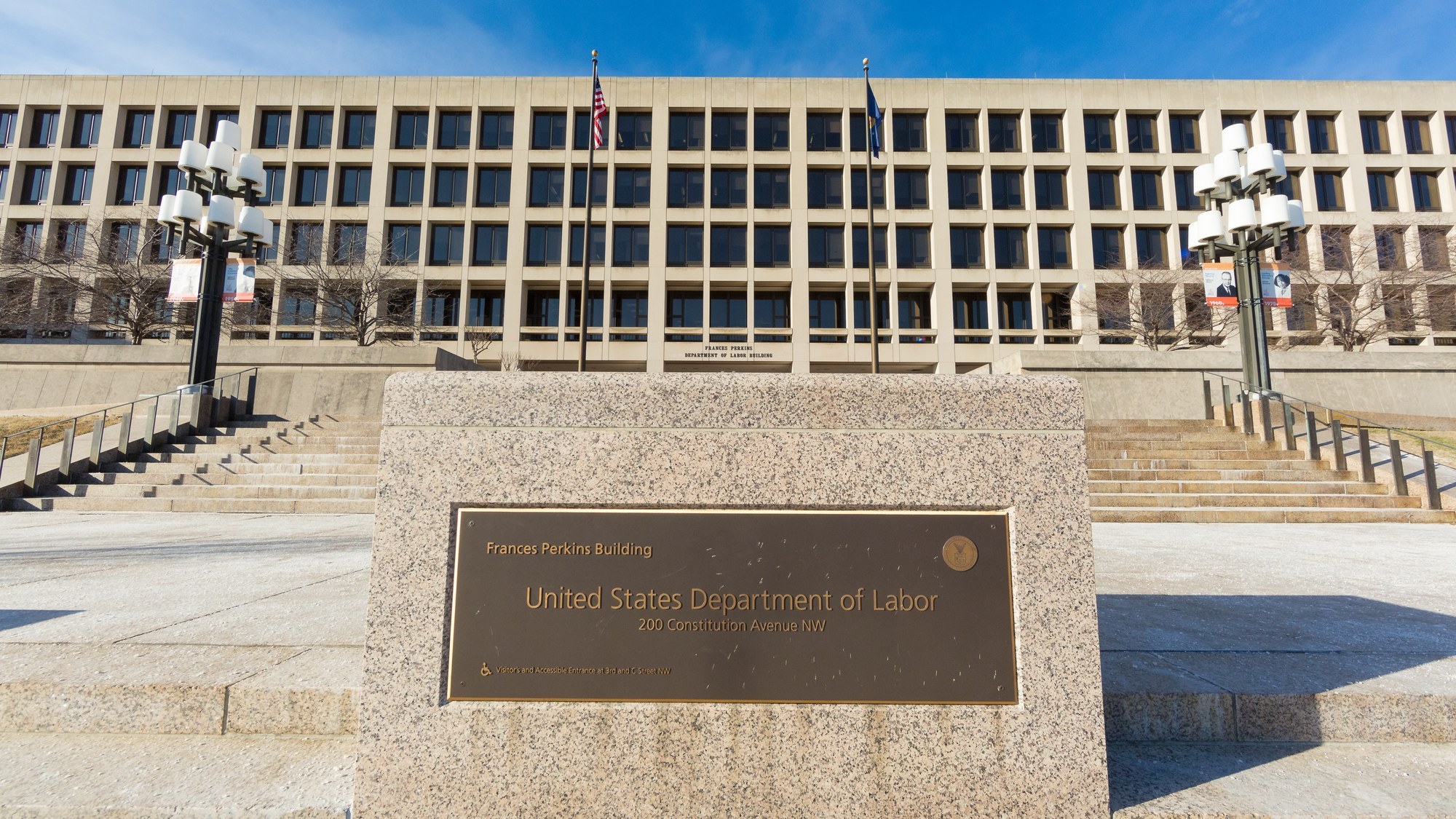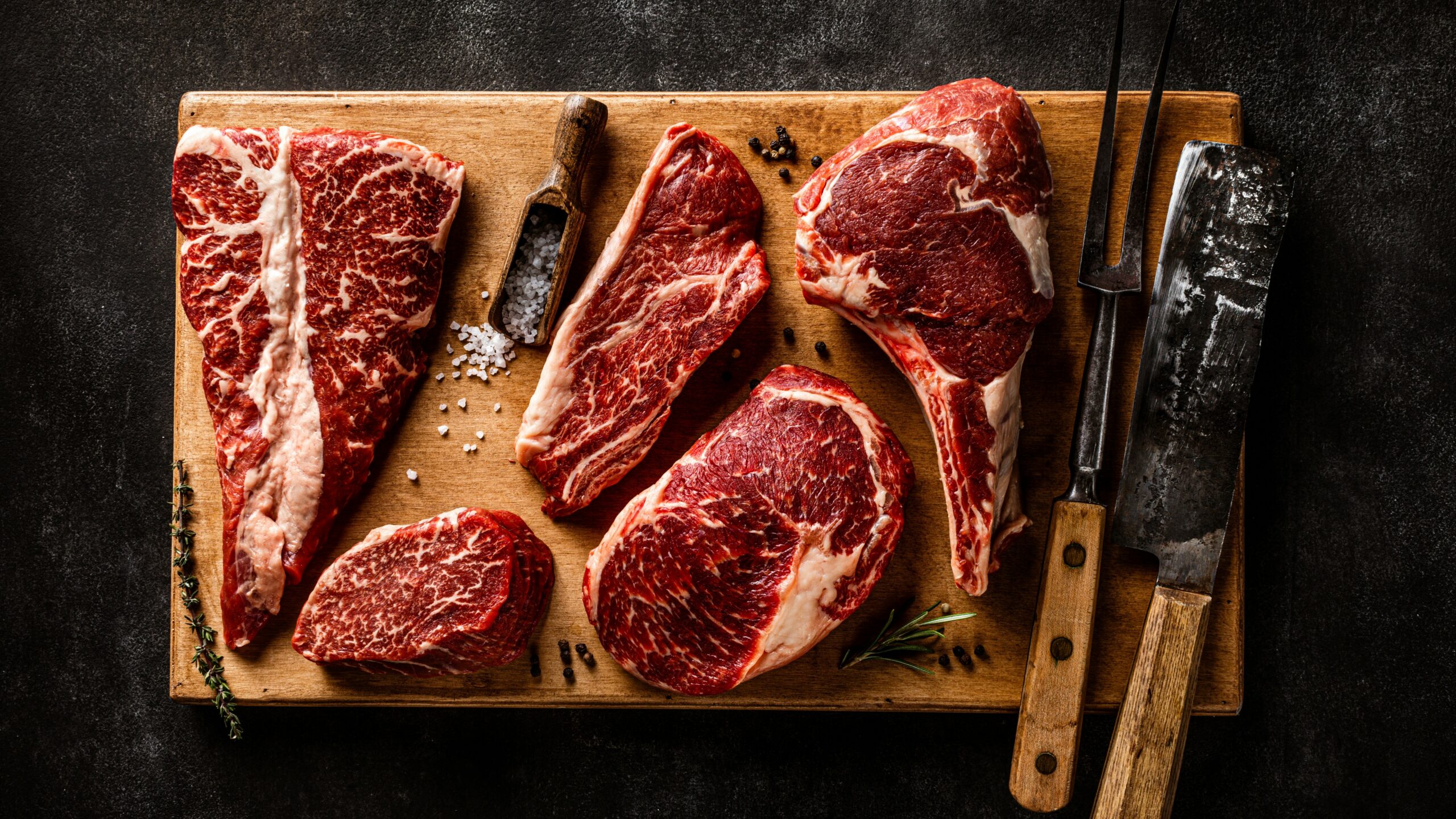
The price of grilling steak just set a record, and the timing could not be worse for backyard hosts. According to the Bureau of Labor Statistics, the average retail price for uncooked beef steaks hit $12.74 per pound in its April 2026 reading, the highest level ever recorded in the agency’s price-tracking program, which stretches back decades. That FRED link tracks BLS series APU0000FC3101, the national average retail price for uncooked beef steaks. With Memorial Day nine days away, a cookout spread for ten people now runs in the neighborhood of $103, based on current BLS average prices for common grilling staples.
That is not a small number for what many families consider the most casual meal of the summer. A year ago, the same BLS series showed uncooked beef steaks around $11.40 per pound in the spring 2025 readings, meaning this year’s price reflects roughly an 11% to 12% increase, or more than a dollar added to every pound on the grill.
Where the $103 estimate comes from
No single government table publishes a ready-made “cookout cost for ten.” The $103 figure is a composite built from current BLS average retail prices for items a typical host would buy: beef steaks or burgers as the centerpiece protein, hamburger buns, sliced cheese, condiments (ketchup, mustard, relish), a side like potato chips or prepared potato salad, a beverage such as lemonade or soda, and a bag of ice. Swap in ribeyes and the total climbs; swap in ground chuck and it drops noticeably. The American Farm Bureau Federation conducts a similar annual exercise through its market-basket surveys each summer, and its recent cookout estimates have landed in a comparable range.
The $103 is best understood as a reasonable midpoint, not a fixed receipt total. But even the budget-conscious version of this meal sits well above where cookout costs landed three or four years ago, before beef prices began their sustained climb.
Why steak keeps breaking records
Three forces are stacking on top of each other.
A shrinking cattle herd. The USDA’s Cattle inventory report, published in January 2025, confirmed that the national herd had fallen to its smallest size since the early 1960s. Prolonged drought across major ranching states in Texas, Oklahoma, and the Southern Plains forced producers to cull breeding cows they could not afford to feed. Rebuilding is slow by nature: a calf born this spring will not reach a processing plant for roughly 18 months. No publicly available USDA cattle inventory update since that January 2025 report has indicated a meaningful recovery in total cattle numbers.
Demand that has not flinched. Despite higher prices, American consumers have not significantly pulled back on beef purchases heading into grilling season. That sustained demand on a tighter supply keeps pushing prices upward rather than allowing them to plateau.
A widening farm-to-retail spread. The USDA Economic Research Service’s Meat Price Spreads data shows that the gap between what ranchers receive for live cattle and what consumers pay at the store has grown. That widening margin suggests packing and retail markups are contributing to the record alongside scarce supply. Disentangling exactly how much each link in the chain adds to the $12.74 is difficult because proprietary packer-level cost data is not publicly available, but the spread data makes clear that tight supply alone does not explain the full increase.
Trade policy adds another layer of uncertainty
Beef is a globally traded commodity, and shifts in U.S. tariff policy can ripple through domestic prices. The U.S. imports a significant share of its lean grinding beef from countries including Australia, Brazil, and Canada. Any tariffs or trade restrictions that limit those imports tighten domestic supply further and put additional upward pressure on retail prices. Conversely, strong U.S. beef exports to markets like Japan and South Korea pull product away from domestic shelves. In a year when the cattle herd is already at historic lows, trade dynamics matter more than usual, even if their precise dollar impact on a pound of steak is hard to isolate.
What budget-conscious grillers can do
Shoppers feeling the squeeze have options, though none are as cheap as they once were. BLS data from recent months shows boneless chicken breast averaging around $4.39 per pound and pork chops near $4.68 per pound. Both are elevated by broader food inflation but still far below beef steak territory. Hot dogs, the other Memorial Day staple, remain one of the most affordable proteins per serving. Switching the main course from steak to a mix of burgers and bone-in chicken can cut the protein portion of a ten-person cookout by 30% or more.
Timing and store choice matter, too. Grocery chains routinely run Memorial Day weekend loss leaders on ground beef, chicken thighs, and pork ribs to pull shoppers through the door. Those promotional prices will not appear in the BLS monthly national average, but they can meaningfully reduce what an individual family actually spends. Warehouse clubs and regional discounters often price whole sub-primal cuts below the national average as well, especially for bulk buyers willing to do their own portioning.
When steak prices might finally ease and what stands in the way
The short answer: not soon. The USDA’s Food Price Outlook projects continued, if slower, grocery inflation into the second half of 2026, with beef among the categories expected to stay elevated the longest precisely because herd rebuilding is a multi-year biological process, not something that responds quickly to market signals.
For ranchers, the tight supply has translated into stronger cattle prices at auction, a welcome development after years of thin margins. But higher input costs for feed, fuel, and labor mean the bigger checks do not always translate into bigger profits, and many operations are running fewer head than the previous generation did.
Consumers see only the retail end of that equation, and at $12.74 a pound, the view is not pleasant when you are buying enough steak to feed a holiday crowd. The BLS data behind that figure is as solid as federal statistics get. The $103 cookout total is a composite estimate built transparently from those same government price averages. What is not in dispute: firing up the grill for steak this Memorial Day will cost more than it ever has, and most families will notice.