Roughly eight million borrowers enrolled in a federal repayment plan that promised lower monthly bills are being told that plan is over. The Saving on a Valuable Education plan, known as SAVE, has been struck down in court, and borrowers now face a choice: move to a new repayment plan or be shifted automatically into one that often costs more each month. Meanwhile, interest is once again piling onto their balances.
The change reaches well beyond recent graduates. Older borrowers still carrying student debt into their 50s, 60s, and beyond — including parents who took out Parent PLUS loans and late-career workers who returned to school — are among those who must act to avoid a higher bill.
What the court ruling did to SAVE
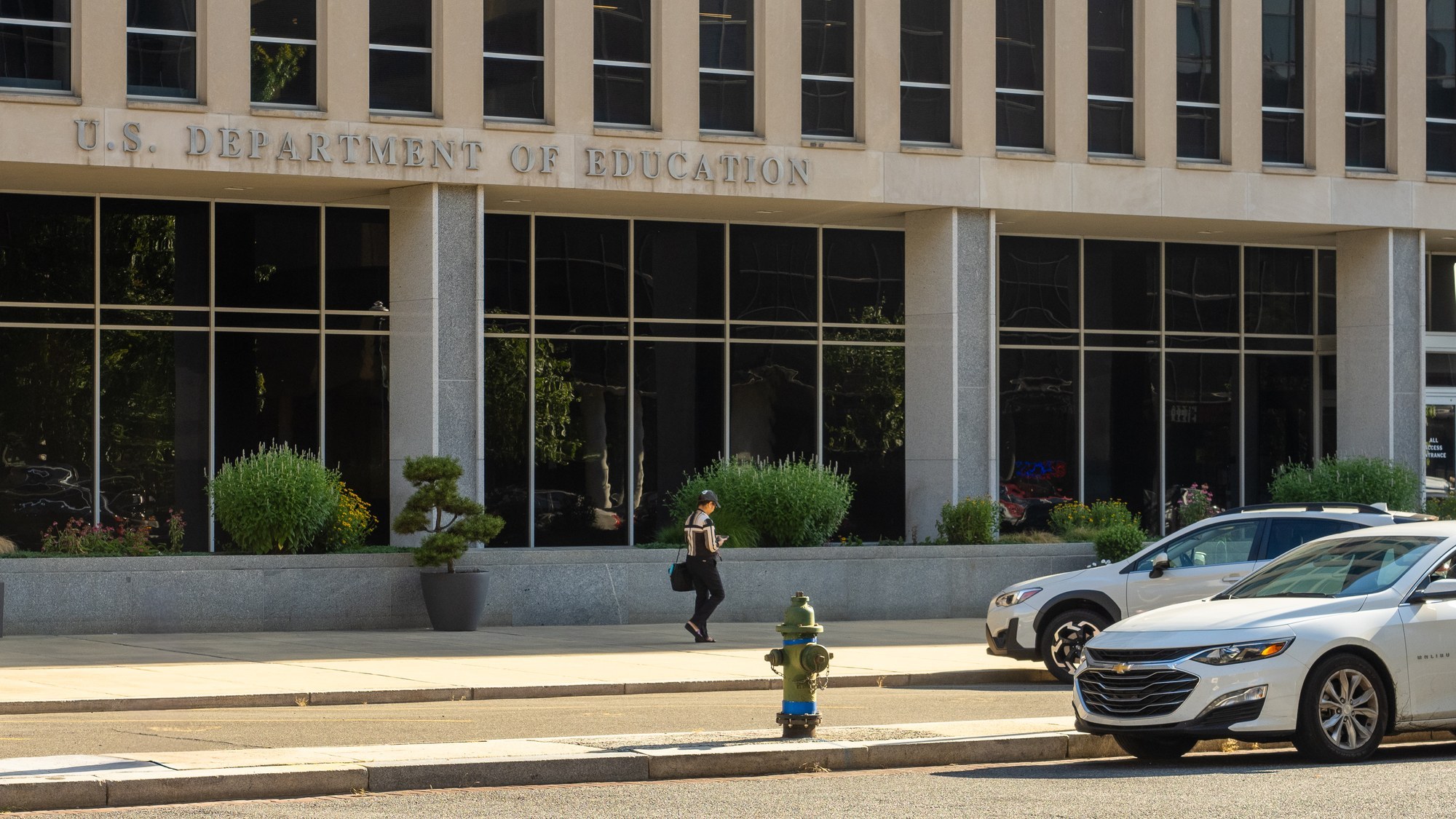
SAVE was created to lower payments and speed forgiveness, but it was blocked and then ordered terminated after a federal appeals court ruling. According to the U.S. Department of Education’s announcement of next steps for affected borrowers, the plan is being wound down and enrollees are being directed to choose a different repayment option. Loan servicers began sending notices around July 1, 2026, and those notices are going out in waves rather than all at once.
Each borrower’s clock is individual. The notices generally give 90 days to select a new plan, but that 90-day window starts when a given borrower’s notice arrives, not on a single national date. That makes it easy to miss the deadline by assuming it has not started yet, and the staggered rollout means one household may get its notice months before a neighbor with a similar loan.
The end of SAVE also reshaped the menu of plans. The same law that terminated the program set up a new income-driven option, the Repayment Assistance Plan, alongside a standard fixed-payment plan, with monthly payments under the new plan generally running between 1 percent and 10 percent of a borrower’s income. Older income-driven plans remain available to many borrowers as well, which is why the right choice depends heavily on a household’s income, balance, and how close it is to any forgiveness milestone.
Free retirement updates: One number can cost or save hundreds a month in retirement. The free Retirement Shield newsletter surfaces the ones worth knowing. Sign up free.
The default move to a costlier Standard plan
Borrowers who do nothing are not simply left alone. State officials have warned that those who fail to choose within their window are likely to be moved into a Standard repayment plan, which ignores income and frequently carries higher monthly payments than income-driven options. The New York attorney general’s office has urged SAVE enrollees to pick a new plan promptly rather than let the default take effect.
Compounding the pressure, interest is no longer frozen. As coverage of the servicer notices explains, the interest-free stretch that many SAVE borrowers had been sitting in has ended, and balances have been growing again since the interest-free forbearance lapsed in the summer of 2025. Every month a borrower stays parked without a plan, the amount owed climbs.
For borrowers who spent long stretches in forbearance, that accruing interest can be a quiet but meaningful blow. A balance that sat flat for a year or more begins compounding again, and someone who had mentally written off their loans as frozen may be surprised to see the total tick upward. Choosing a repayment plan does not erase that interest, but it does move a borrower back into an active status where payments start chipping away at the balance rather than watching it grow untouched.
Why older borrowers should not wait for the notice
For a retiree or near-retiree, a jump to a Standard payment can collide directly with a fixed income. Someone repaying a Parent PLUS loan for an adult child, or finishing off their own long-held debt, may see a manageable income-based payment replaced by a larger flat one that squeezes an already-tight monthly budget. Federal student debt also follows borrowers into retirement in ways other debt does not, since the government can offset a portion of Social Security benefits to collect on defaulted loans.
The stakes are highest for those pursuing loan forgiveness. Time spent in the SAVE forbearance generally has not counted toward the payments required for Public Service Loan Forgiveness or income-driven forgiveness, so a borrower stuck waiting has effectively paused progress toward having a balance wiped out. Moving into a qualifying plan restarts that count, which matters most for older borrowers in public-service jobs who are closest to the finish line and cannot afford to lose additional months.
Borrowers do not have to wait for a servicer’s letter to act. Those ready to switch can log into their Federal Student Aid account and apply for a new repayment plan now, including newer income-driven options, rather than risk the automatic move. The essential facts to act on are that SAVE is finished, that a new plan must be chosen within 90 days of each borrower’s own notice, and that interest is accruing in the meantime — a combination that rewards moving early and penalizes waiting.
This article was researched and drafted with the assistance of AI and reviewed by The Financial Wire editorial team.
More Financial Reading
- Adding someone to your bank account: tax traps and smart moves
- Bank statements: how long to keep them and when to toss them