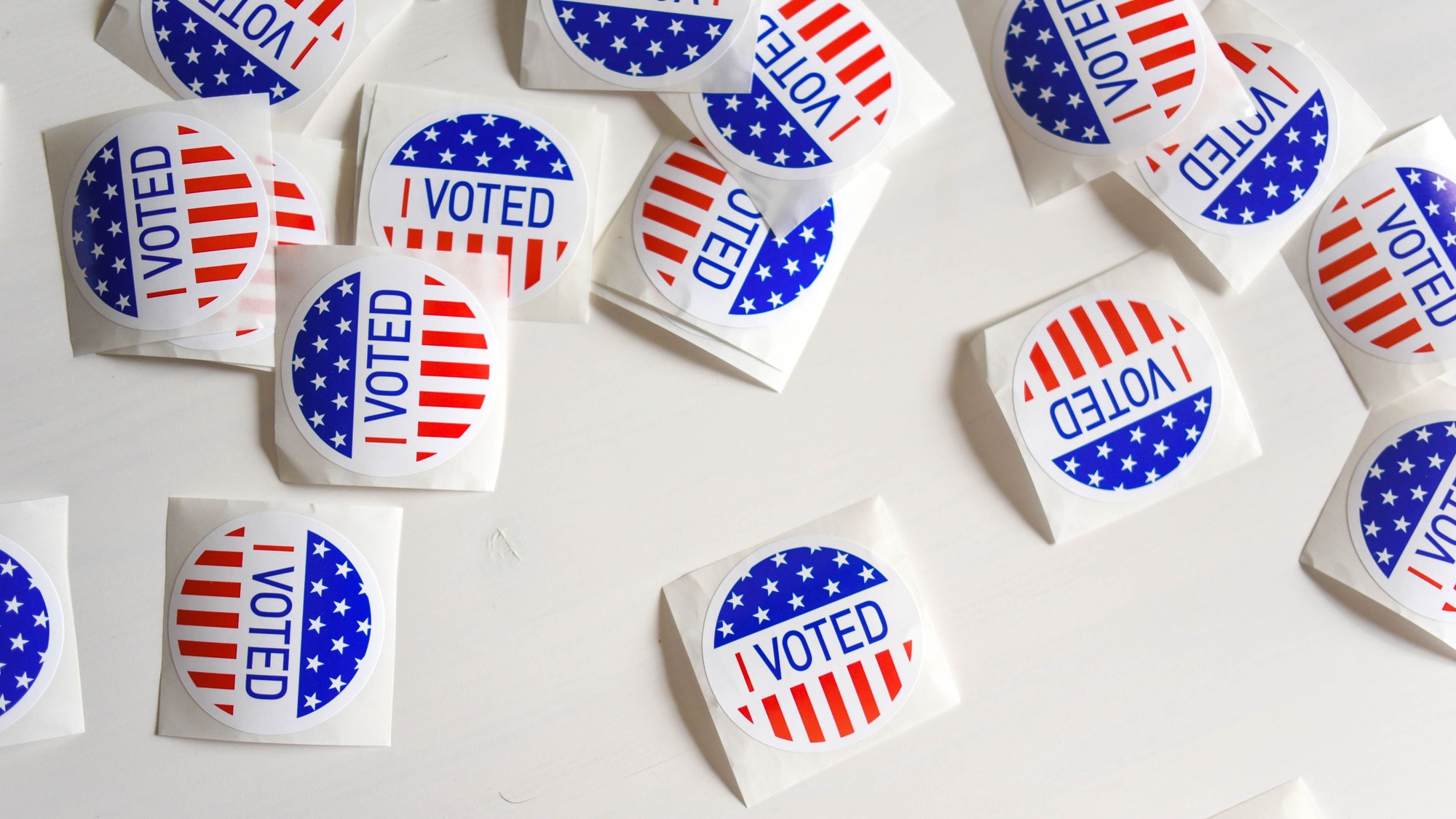
Nebraska voters rejected both ballot measures that would have legalized online sports betting, according to unofficial returns. MultiState lists Initiative 440 as failed with 45.11% voting yes and Initiative 441 as failed with 45.53% yes. The Nebraska Secretary of State’s results page showed all 1,322 precincts reporting as of 1:33 p.m. Central on Wednesday.
How close did the two measures come?
Neither one was close at the end. WOWT reported that Initiative 440 lost by about 55% to 45% and Initiative 441 by 54.5% to 45.5%, based on unofficial returns. The Secretary of State’s page put turnout at 59.44%, with 752,061 ballots cast out of 1,265,162 registered voters.
Early counts looked about the same. When about 55% of precincts had reported, Ballotpedia’s tally for Initiative 440 showed 290,268 votes for yes and 345,685 for no, a 45.64% share for yes. Every result is unofficial until the state certifies it.
With more than 90% of votes counted, Forbes reported, over 54% had voted against each measure, based on New York Times estimates.
Was property tax relief really on the table?
That was the pitch from the campaign behind the measures, Tax Relief Nebraska. A campaign-commissioned study estimated $166 million in possible revenue over 10 years, WOWT reported before the vote, and sponsor Jordan McGrain said gaming taxes, counting expected casino revenue, could reach about $500 million over the next decade on a conservative estimate. Under current casino law, 70% of that kind of revenue goes to the Property Tax Credit Cash Fund.
Stay ahead of government payment news: Miss an enrollment or claim deadline and the money can be gone. Join the Retirement Money Brief and we’ll send you our 2026 Government Check Reality Tracker as a welcome gift.
Get the Brief + the check tracker →
We may earn a commission from links on this page.
The people who would have paid the property tax bills heard a smaller number from the other side. State Auditor Mike Foley said Nebraska would keep only a small share of bettors’ losses and estimated that a home worth about $300,000 might see roughly $10 to $15 in relief, WOWT reported in October. Foley also pointed out that the supporters’ figure had changed from $87 million over five years to $166 million over 10.
The campaign’s own numbers were not uniform either. A Tax Relief Nebraska television ad claimed the measures would generate “more than $150 million in reliable tax relief,” while the group’s website said they could send more than $60 million toward property tax relief. Foley said he worried the “uninformed voter might get sucked into that argument.”
Supporters kept pressing the other half of the argument. Lynne McNally of Warhorse Casino said Nebraska was losing tax revenue to bettors who cross into Iowa or use a virtual private network to place wagers illegally. State Sen. Stan Clouse, who proposed sending 90% of any new tax revenue to property tax relief, said it is the politicians’ job, not the gaming industry’s, to deliver that relief.
Why did sportsbook companies bankroll a Nebraska vote?
Nebraska was one more place where online betting is still illegal while neighbors allow it. Forbes, citing the American Gaming Association, said sports betting revenue reached a record $16.96 billion in 2025 and that about $3.71 billion in local taxes was raised in states with regulated sports betting. Those tax numbers are what the campaign pointed to when it described Nebraska’s missed opportunity.
The same Forbes report cited an April Siena poll that found 27% of Americans had an active online sports betting account, including 52% of men ages 18 to 49. It added that prediction markets such as Polymarket and Kalshi are competing with the online sportsbooks and argue they should be regulated federally rather than by states. Nebraska voters did not weigh in on either of those questions.
Who paid for the campaign, and who fought it?
The yes side was a heavily funded effort. Tax Relief Nebraska raised nearly $22.5 million, Casino.org reported, including $10.4 million each from FanDuel and DraftKings and $500,000 each from BetMGM and Fanatics. WOWT put the campaign’s total at more than $22 million.
Opponents were led by groups and figures with far less money. Former Nebraska football coach Tom Osborne, an opposition spokesperson, said, “Putting a sportsbook on every phone will only expose more young people to gambling addiction.” After the vote, Nate Grasz, executive director of the Nebraska Family Alliance, said Nebraskans “stood up to powerful gambling corporations with seemingly limitless resources.”
What stays the same for Nebraska bettors?
Online and mobile sports wagering remains illegal across the state. In-person sports betting stays legal at the licensed racetrack casinos, which voters approved in 2020, WOWT reported. Backers had hoped to launch betting apps by spring.
Initiative 440 would have amended Article III, Section 24 of the Nebraska Constitution so the Legislature could authorize online sports wagering as long as the bettor was physically in Nebraska when placing the wager, according to Ballotpedia. Initiative 441 would have set the rules, giving the Racing and Gaming Commission until June 1 to adopt them. Neither will take effect now, and the in-person rules stay as they were.
Before the vote, Laura Strimple, a spokesperson for Gov. Jim Pillen, said the governor would respect the will of the voters. Casino.org noted that Iowa stands to benefit most from the result, since Omaha and Bellevue sit on the Missouri River and residents can cross into Iowa to bet online. Missouri, Kansas, Colorado and Wyoming also allow online sports betting.
Waiting on betting money to ease the property tax bill?
Both measures were sold as a source of property tax relief, and State Auditor Mike Foley put the likely effect at roughly $10 to $15 for a $300,000 home. With both defeated, none of that money is coming, and a homeowner’s bill is still set by the rules already in place.
The Keep-It Starter Bundle puts nine guides in one download, one per money leak, and the housing guide covers how to cut the house costs: every senior property-tax break and your equity options. The turn here is from a ballot result to the household bills a retiree can still lower, and the bundle runs 95 pages in all.
Get the nine-guide bundle with the senior property-tax break guide →
This article was produced with AI assistance and edited for accuracy against the sources linked above.