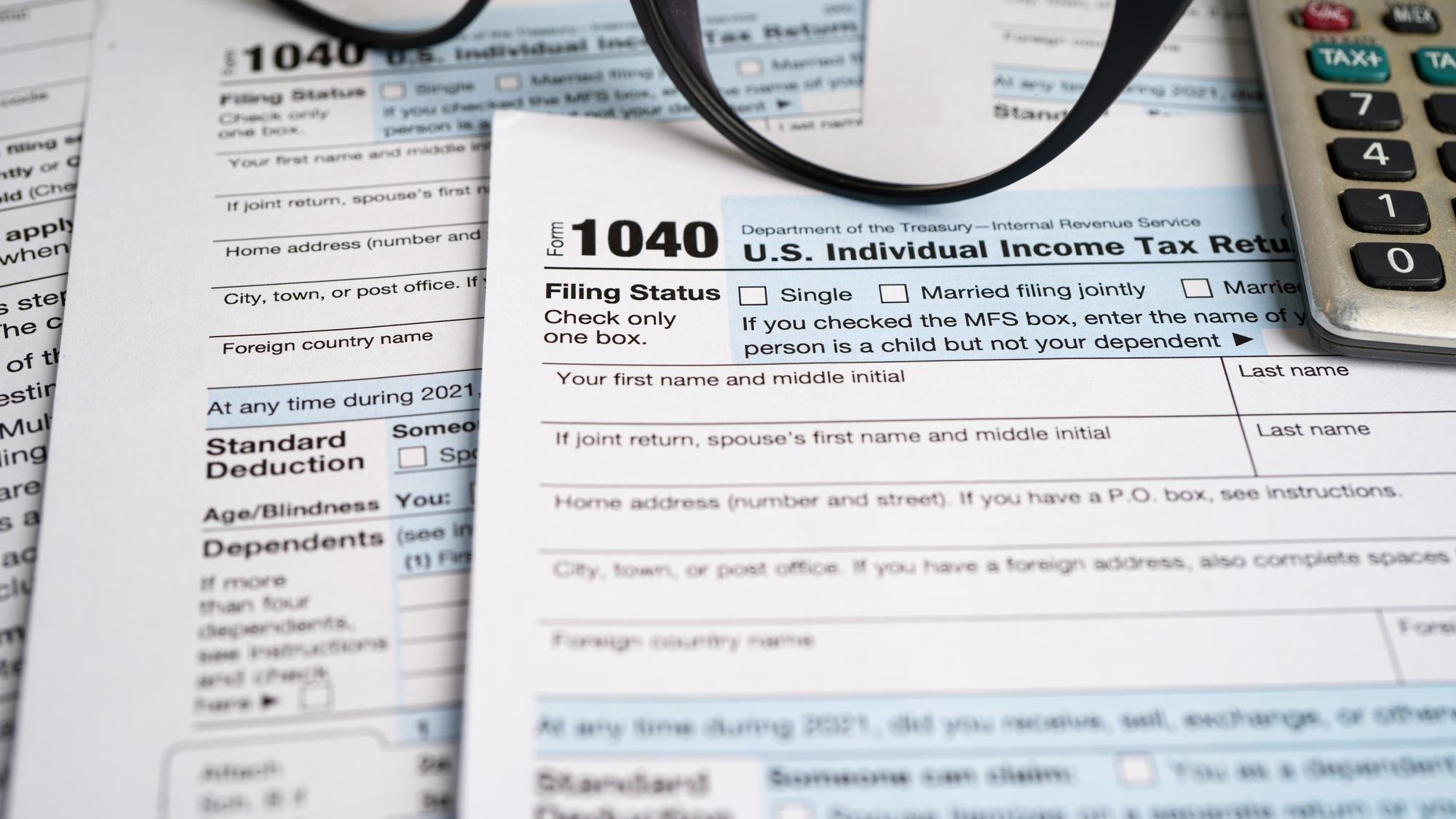
Older taxpayers who use the standard deduction can still receive a separate federal deduction for qualifying cash gifts made in 2026. The ceiling is $1,000 on most returns and $2,000 for married couples filing jointly, but records and charity eligibility determine whether a gift counts. The rule is available to nonitemizers generally, not only to retirees. For older donors who stopped itemizing after paying off a mortgage or reducing deductible expenses, it restores a limited tax benefit for cash giving.
Free retirement updates: One number can cost or save hundreds a month in retirement. The free Retirement Shield newsletter surfaces the ones worth knowing. Sign up free.
What the 2026 charitable deduction allows
The IRS’s July 23 charitable-donation guidance says taxpayers who do not itemize may deduct up to $1,000 in cash contributions beginning with tax year 2026. Married taxpayers filing jointly may deduct up to $2,000. The gift must go to certain qualified organizations. The limit is a ceiling on the deduction, not a credit and not an automatic refund. A $1,000 deduction reduces taxable income by $1,000; the actual tax savings depends on the return’s taxable income and marginal rate.
The $2,000 joint-return ceiling applies to the return, not separately to each spouse. Two spouses who each give $1,500 cannot claim $3,000 under the provision merely because the gifts came from different accounts. Filing status fixes the ceiling before the individual donations are totaled.
Which gifts qualify
The nonitemizer provision applies to cash contributions, a category that generally includes money given by check, card or electronic transfer. Donated clothing, furniture, securities and other property require different valuation and reporting rules and do not fit the separate 2026 deduction for cash gifts. Gifts to individuals are not charitable deductions. A payment into a personal fundraiser or money handed directly to a family in need may be generous, but it is not a contribution to an eligible charitable organization for federal tax purposes. The IRS provides a Tax Exempt Organization Search for checking an organization’s status and filings. Donors should verify the legal recipient, especially when a local appeal uses a name similar to a national charity.
Payroll deductions and recurring electronic gifts can qualify as cash contributions when made to eligible organizations, but each needs a record. A year-end pay statement or pledge card combined with pay records can establish payroll giving; a bank or card statement should identify recurring electronic payments.
The records the IRS still requires
Every cash gift needs a bank record or written communication from the charity showing the organization’s name, contribution date and amount. A canceled check, card statement or electronic receipt can provide part of that record, but the donor should retain the charity’s acknowledgment as well. A contribution of $250 or more requires a written acknowledgment from the organization before the deduction is claimed. The acknowledgment must state the cash amount and describe whether the donor received goods or services in return. If a dinner, ticket or other benefit was provided, only the amount above its value may be deductible.
Older donors who give through multiple accounts should maintain a single annual file. Bank statements, emailed receipts and year-end letters can otherwise become scattered among tax, household and estate records. A simple log with the date, recipient, amount and payment method makes the year-end total easier to defend.
How the deduction fits with other giving strategies
A person taking required minimum distributions may also consider a qualified charitable distribution from an IRA if eligible. That is a different rule: the IRA custodian sends money directly to the charity, and the qualifying amount may be excluded from income. The same dollars cannot be counted again under the nonitemizer cash deduction. Donor-advised funds, private foundations and supporting organizations can face special limits or exclusions under particular provisions. The IRS’s current Publication 526 explains general contribution rules, but the version for the filing year should be used when preparing the return.
Noncash gifts remain outside the new standard-deduction provision even when they would be deductible for an itemizer. The IRS uses Form 8283 for specified noncash contributions, with additional appraisal and acknowledgment rules as value rises. Donating appreciated securities or household property therefore requires a different analysis from giving cash.
The new deduction gives standard-deduction filers a modest federal tax benefit for generosity. It remains a deduction rather than reimbursement, and documentation is the difference between a gift that feels charitable and one the tax return can lawfully subtract.
A year-end giving review
Donors should confirm tax status before December rather than after filing. A group’s mission may be charitable while its legal entity cannot receive deductible gifts. Payment timing should also be documented with a confirmation page, bank record or postmark. Fundraising events require a split when the donor receives a dinner, ticket or auction item. Only the payment above that value may count. Taxpayers should total actual qualifying cash without assuming the statutory ceiling equals the deduction; a $600 donor can deduct no more than $600 under this provision.
A final review by payment source can catch duplicate claims. A card gift is counted under the applicable contribution-timing rule, not again when the card bill is paid. An IRA qualified charitable distribution excluded from income cannot be reused as a cash deduction. These checks preserve the tax benefit while keeping the return tied to real gifts and real records.
Donors should preserve records with the return for the normal documentation period and longer if another tax item depends on them. A year-end summary from a charity is convenient, but it should be checked against bank records for omitted or duplicated gifts. When a receipt is corrected, both the original and replacement should show why the total changed. Accuracy protects both the donor and the charity.
This makes year-end planning straightforward: separate cash from property, verify the recipient, total qualifying payments by filing status and retain the contemporaneous acknowledgment. Those steps determine the allowed deduction without converting ordinary generosity into an unsupported tax claim.
This article was researched and drafted with AI assistance and reviewed against the linked primary sources.
More Financial Reading
- What really happens to your joint savings account when you die?
- How many CDs can you park at 1 bank? FDIC rules you must know