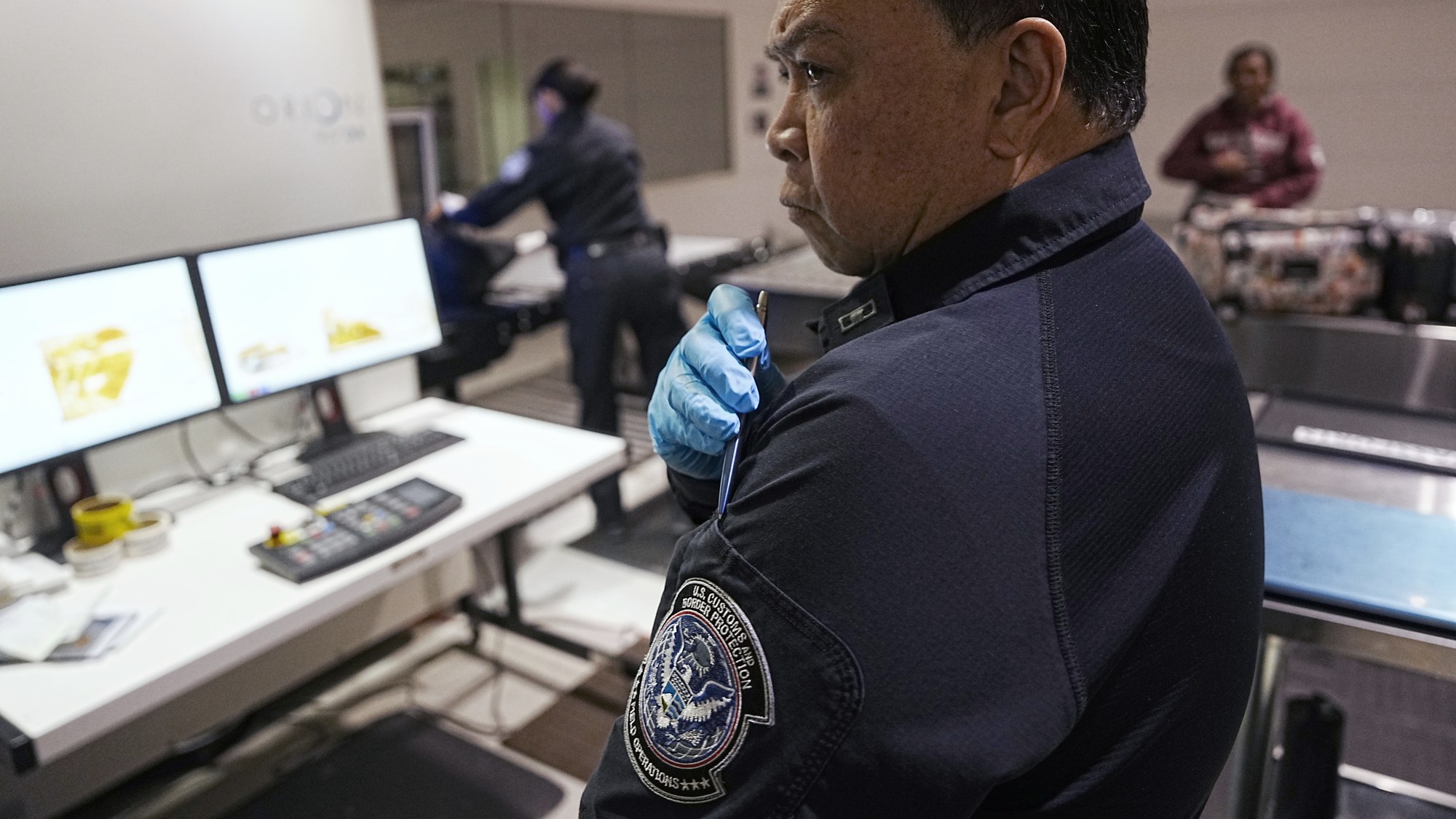
A tariff refund program run by U.S. Customs and Border Protection has already moved more than a hundred billion dollars, but none of it is landing in a retiree’s checking account. The refunds cover duties collected under the International Emergency Economic Powers Act after courts found the underlying tariffs unlawful, and CBP built a dedicated electronic system to send that money back to the businesses that paid it. Only the importer of record — the company or individual whose name is on the customs paperwork — can file for it, through a trade portal built for commercial filers, not consumers.
CBP’s CAPE Tool Inside the ACE Portal
Customs and Border Protection calls the refund system CAPE, short for Consolidated Administration and Processing of Entries. It runs inside the Automated Commercial Environment, the agency’s existing trade-data system known as ACE, and its first phase opened for filings on April 20, 2026, ten days after CBP told the trade community the exact launch date in an official notice.
That notice, Cargo Systems Messaging Service bulletin 68315804, spells out how the process actually works: importers of record and authorized customs brokers need an established ACE Secure Data Portal account, refund recipients use that same account to give CBP their bank information, and the importer or the broker who filed the entries then submits what CBP calls a CAPE Declaration. Once a declaration is accepted, the agency removes the tariff line from the entry, recalculates the duty owed without it, and moves the difference toward liquidation and a refund.
Free retirement updates: Want plain-English help keeping more of your money in retirement? The free Retirement Shield newsletter covers the benefits, deadlines, and money mistakes that cost retirees, a couple times a week. Subscribe free.
Only the Importer of Record or Its Broker Can File
CBP’s own bulletin is direct about who is allowed to use CAPE: the process “starts with the filing of the CAPE Declaration in the ACE Portal by the IOR or the authorized broker who filed entries on behalf of the IOR.” A household that paid a higher price at checkout because a retailer passed along tariff costs is not a party to that customs entry, has no CAPE account, and has no separate form to submit. The refund is tied to the entry number filed at the border, not to a household receipt.
CBP’s IEEPA Duty Refunds page lays out that same eligibility structure, and reporting from the customs brokerage Shapiro confirms there is no separate CAPE registration for anyone outside that existing trade relationship — CAPE runs entirely through ACE accounts importers and brokers already hold to file customs paperwork, not through any new application built for the public.
Refunds Move by ACH to a Business Account, Never a Personal One
When a claim is approved, CBP does not mail a check to whoever ultimately paid a higher shelf price. Refunds are consolidated by importer of record and by the date the entry is finalized, then sent electronically through the Automated Clearing House to the bank account the importer or its broker registered inside the ACE Secure Data Portal for that purpose. A company can instead designate its customs broker or another authorized party, using CBP Form 4811, to receive the money — but that designee is still a business tied to the same import transaction, not an individual consumer waiting on a rebate.
Billions Moving Through the System, None of It to Households
The dollar figures behind the program are already large. According to a tariff-refund FAQ published by the accounting and advisory firm Baker Tilly, CBP had received roughly 157,000 CAPE declarations by May 26, 2026, covering about 15.9 million entries that passed validation, with approximately $85 billion in refund claims accepted and about $20.6 billion already processed through the refund component at that point. Every dollar in those totals is tied to an entry number and an importer of record.
The pace kept climbing after that. Trade-compliance coverage tracking CBP’s later updates to the U.S. Court of International Trade put accepted refunds at roughly $132.5 billion as of August 21, 2026, with about $106.6 billion already certified and sent to the Treasury Department for disbursement. CBP has also acknowledged that thousands of approved refunds sat undelivered simply because the importer or its designated broker had not finished enrolling for electronic payment — a business-side paperwork problem, not a household one.
A Separate, Stalled Idea in Congress Is Not This Program
None of this should be confused with a different proposal moving through Congress that would send tariff revenue directly to individuals as a rebate check. That remains a bill, not a law, and it would require an entirely new payment system built for the public. CAPE is the opposite kind of program: an administrative refund CBP already built for the businesses that paid duties directly, running through decades-old customs infrastructure that was never designed to reach a household bank account.
CBP’s Own Warning: The Only Legitimate Channel Is ACE
CBP has been direct about the risk that a refund program this large becomes a target for scams. In guidance aimed at importers and brokers and reproduced by the customs and trade firm GHY International, the agency said it does not request Social Security numbers, bank account information, or passwords by phone, text, or email, and that anyone offering to file a CAPE refund outside the ACE portal should be treated as suspicious. CBP told filers to confirm that any communication about a refund comes from an address ending in @cbp.dhs.gov and to report anything else to the agency’s fraud inbox. That instruction applies just as much to a household with no CAPE account at all: the only legitimate refund channel is the one built for importers of record, and there is no separate line for anyone else to stand in.
This article was produced with the assistance of AI and reviewed by The Financial Wire editorial team.
More Financial Reading
- The ideal retirement withdrawal rate so your savings actually last
- What really happens to your joint savings account when you die?