Millions of Americans who rely on Original Medicare for their health coverage face a gap that has persisted for decades: the program excludes nearly all routine dental, vision, and hearing services. Federal statute bars payment for dental work tied to teeth and their supporting structures, for eye exams used to prescribe glasses, and for hearing aids or the exams needed to fit them. Those exclusions, rooted in the Social Security Act, force beneficiaries to pay out of pocket or find supplemental coverage for three categories of care that directly affect daily functioning and long-term health.
Why the dental, vision, and hearing exclusions hit beneficiaries now
The exclusions are not new, but their practical weight grows as the population of Medicare beneficiaries expands and the cost of dental procedures, prescription eyewear, and hearing devices rises. Under Section 1862 of the Social Security Act, Congress specifically listed eyeglasses, eye examinations for prescribing or fitting glasses, hearing aids, and hearing-aid fitting exams among the items Original Medicare will not pay for. CMS regulation at 42 CFR 411.15(i) reinforces the dental exclusion, barring coverage for the care, treatment, filling, removal, or replacement of teeth and structures directly supporting them.
The result is straightforward: beneficiaries enrolled only in Original Medicare bear the full cost of a routine dental cleaning, a vision refraction, or a set of hearing aids. CMS confirms on its coverage pages that beneficiaries pay all costs for non-covered items. For older adults on fixed incomes who do not carry a Medicare Advantage plan or a standalone dental or vision policy, those costs can delay or prevent care entirely. The hypothesis that coverage exclusions correlate with measurable delays in care-seeking among beneficiaries without supplemental insurance is testable through linked Medicare claims and survey data on service utilization by insurance type, though no primary CMS claims dataset or published agency analysis confirming that correlation has been identified in the available record.
Statutory text and CMS rules behind the exclusions
The strongest evidence for the scope of these exclusions comes directly from federal law and CMS guidance. CMS dental guidance states that Original Medicare generally does not pay for dental services tied to teeth or their supporting structures. The agency does recognize narrow exceptions: dental care may be covered when a beneficiary requires inpatient hospitalization because of the severity of an underlying medical condition, or when dental services are directly tied to a covered procedure such as an organ transplant, heart valve repair or replacement, or cancer treatment.
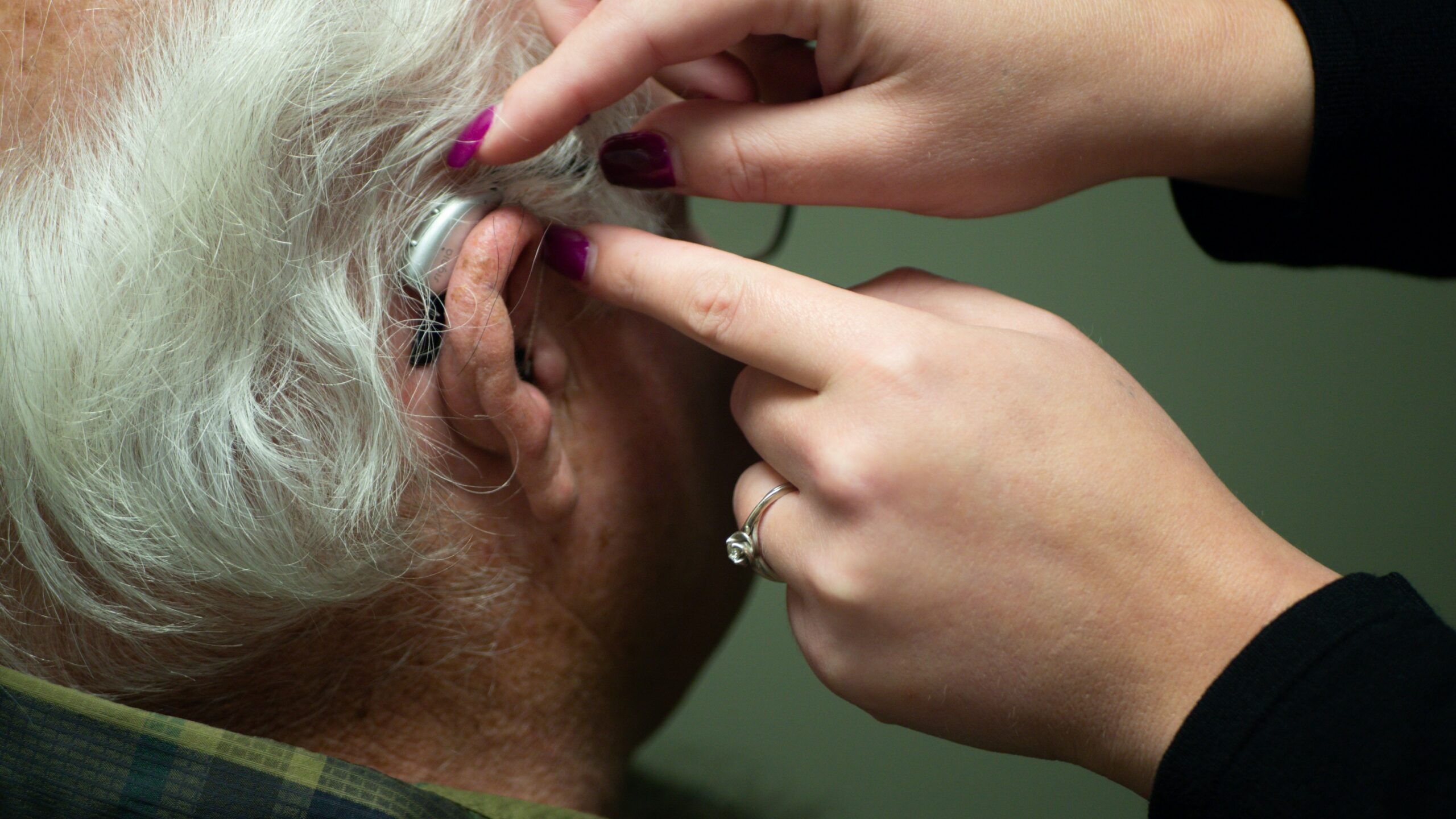
On the vision side, Original Medicare does not cover routine eye exams for prescription eyeglasses or contact lenses. The program does cover certain medical eye care, such as treatment for eye diseases, but the routine exam a beneficiary needs to update a glasses prescription falls outside the benefit. Hearing care follows a similar split: Part B can cover diagnostic hearing and balance exams when ordered by a physician or qualified clinician, but hearing aids themselves and the exams specifically for fitting hearing aids are excluded. That distinction matters because a beneficiary who suspects hearing loss can get a diagnostic workup through Medicare, yet the device that would actually correct the problem is not covered.
CMS summarizes these rules in consumer-facing materials that list common services Medicare will not pay for. The agency’s not-covered services page highlights routine dental care, most vision exams for glasses, and hearing aids as examples of items that fall outside the benefit package, reinforcing how consistently these categories are treated as exclusions across official documents.
Open questions about dental, vision, and hearing coverage gaps
Several questions remain unresolved. No primary CMS claims data or enrollment analysis quantifying aggregate out-of-pocket spending on excluded dental, vision, and hearing services by coverage type has been identified in publicly available sources. Without those data, it is difficult to measure how much more beneficiaries without supplemental coverage pay compared with peers enrolled in Medicare Advantage plans or employer-sponsored retiree coverage that includes these benefits.
Another open question is how strongly these exclusions influence health outcomes. Researchers and advocates have long argued that untreated oral disease, uncorrected vision problems, and unmanaged hearing loss can worsen chronic conditions, increase fall risk, and contribute to social isolation. Yet the extent to which Medicare’s statutory limits, as opposed to other barriers like provider availability or transportation, drive those outcomes has not been conclusively quantified in federal evaluations.
Policy debates periodically revisit whether to add dental, vision, and hearing benefits to Medicare. Proposals have ranged from narrowly targeted benefits for low-income beneficiaries to broader expansions that would embed these services into Part B or create a new optional benefit. Any such change would require Congress to amend the Social Security Act’s exclusion language and direct CMS to build new coverage rules, provider payment mechanisms, and beneficiary cost-sharing structures. Until that happens, the current framework-medical coverage with carveouts for routine dental, vision, and hearing care-remains in place.
For now, beneficiaries must navigate a patchwork of options. Some enroll in Medicare Advantage plans that bundle limited dental, vision, or hearing benefits with managed-care networks and prior-authorization rules. Others purchase standalone policies or discount plans, or pay providers directly as needed. The statutory and regulatory exclusions that shaped Medicare at its inception continue to define what the program will and will not cover, leaving essential aspects of oral, visual, and auditory health outside the core federal benefit and raising ongoing questions about affordability, access, and equity for current and future enrollees.
Free for readers: The free Retirement Shield newsletter sends plain-English help keeping more of your money in retirement — the scams to dodge, the benefits you’re owed, and what’s changing with Social Security and Medicare, a couple times a week. Get the free newsletter.