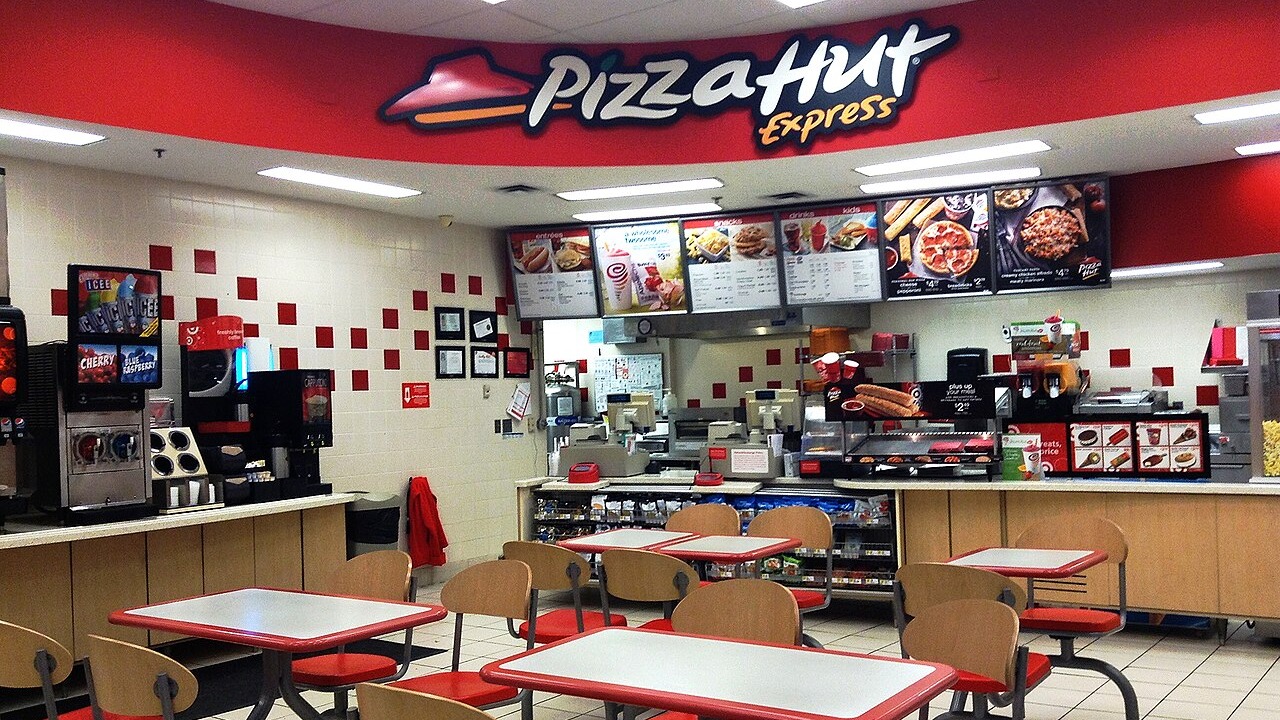
Pizza Hut will shut roughly 250 U.S. restaurants during the first half of 2026, a wave of closures timed to coincide with Yum! Brands’ decision to sell the chain entirely. The cuts land as Yum signed a definitive agreement to offload Pizza Hut, turning what began as a strategic review last November into a binding transaction disclosed today. For franchise operators and their employees across the country, the closures represent the sharpest single contraction of the Pizza Hut footprint in years, raising direct questions about which markets lose locations and what the new owner plans to do with the remaining system.
Pre-sale cleanup tied to Yum’s Pizza Hut exit
The closures did not happen in isolation. Yum! Brands launched a formal review of strategic options for Pizza Hut on November 4, 2025, retaining investment banks as advisers. That review, disclosed in an 8-K filing, set the stage for every operational decision that followed, including the store reductions. By trimming 250 underperforming or strategically misaligned locations before a sale, Yum effectively raises the average unit volume and tightens the margin profile a buyer would inherit.
The company’s latest full-year disclosure, its 2025 annual report, recorded costs associated with the strategic review and flagged segment-level pressures at Pizza Hut. Management cited weaker traffic and higher operating expenses in the U.S. as headwinds, reinforcing the logic of pruning the store base. While the report framed Pizza Hut as a global brand with growth potential, it also underscored the need to reshape the domestic portfolio toward delivery-focused and carryout formats that demand less fixed investment than older dine-in units.
A subsequent quarterly filing for the period ended March 31, 2026, kept investors updated on that process. In the March 2026 10-Q, Yum reiterated that the strategic review remained active and was expected to conclude within the calendar year. The document referenced store rationalization and impairment charges tied to Pizza Hut, and it confirmed that the bulk of planned U.S. closures would occur in the first half of 2026. That timing aligns directly with the sale announcement, suggesting that Yum wanted to deliver a streamlined asset base to the buyer rather than leave the new owner to execute a messy cleanup.
The sequence matters because it shows a deliberate pattern. Yum announced the review, booked the related expenses, began shuttering locations, and then signed a sale agreement. Each step compressed the domestic store count so the buyer would acquire a leaner system rather than one burdened by locations that drag down per-unit economics. For prospective owners, fewer weak stores mean stronger reported averages on revenue, profitability, and return on invested capital across the remaining portfolio. It also simplifies negotiations over future capital spending, since the most troubled restaurants are being removed from the conversation before closing.
SEC filings and the 250-store figure
The specific count of 250 U.S. restaurants comes from reporting by The Associated Press, which tied the closures directly to Yum’s consideration of selling the brand. No matching numeric disclosure appears in the 10-K or the 10-Q filed with the Securities and Exchange Commission. The SEC documents reference the strategic review, its costs, and its expected completion, but they do not enumerate individual store closures or identify affected markets by name.
That gap between the AP’s figure and the regulatory filings is significant. Investors tracking the deal through EDGAR can confirm the review’s existence and timeline but cannot independently verify the 250-store number from Yum’s own disclosures. Instead, they must infer the scale of the retrenchment from aggregate line items such as impairment charges, restructuring costs, and changes in systemwide restaurant counts. For analysts, that creates a reliance on third-party reporting to understand how aggressive Yum has been in winnowing the Pizza Hut estate ahead of the sale.
The absence of a precise closure tally in SEC filings does not mean Yum is hiding the ball; companies are not required to list every shuttered location, and many choose to describe portfolio actions in broader terms. Still, the contrast between narrative disclosures about a “strategic review” and a concrete figure like 250 restaurants illustrates the limits of public filings for assessing operational upheaval in real time. It also highlights how media reports can shape market expectations about the health of a brand even when the company itself speaks in more general language.
What the buyer inherits
When the Pizza Hut sale closes, the new owner will take control of a U.S. system that is smaller but, on paper, more productive. The closures remove low-volume units that weighed on averages, likely boosting system sales per restaurant and improving franchisee-level economics. For remaining operators, that could translate into stronger bargaining power on marketing, technology, and supply chain decisions if the new owner commits to reinvestment rather than further cuts.
For employees and communities losing restaurants, however, the calculus looks different. Store closures mean job losses, reduced local tax contributions, and fewer dining options, particularly in smaller markets where Pizza Hut may have been one of only a handful of national chains. Those localized costs are the trade-off behind the cleaner financial profile that Yum is handing to the buyer. As the transition unfolds through 2026, the central question will be whether the new owner treats the leaner Pizza Hut network as a foundation for renewed growth or as a platform to be managed primarily for cash.