Self-employed workers, freelancers, and investors who earn income not subject to payroll withholding face a hard deadline on Monday, June 15, 2026. That is the due date for the second quarterly estimated tax installment covering income received between April 1 and May 31. Missing it triggers a penalty calculated under federal statute, and the IRS offers no automatic grace period when the 15th falls on a regular business day.
Who owes on June 15 and what happens if they skip it
The federal tax code splits the year into four estimated-payment windows. The second window covers April 1 through May 31, and the payment is due June 15. The remaining installments fall on September 15 and January 15 of the following tax year, according to the rules in Section 6654. That statute also sets the formula for the penalty itself: interest accrues on any shortfall from the date the installment was due until the date it is paid or the annual return is filed, whichever comes first.
Because June 15, 2026, lands on a Monday, the deadline does not shift. The IRS states that an estimated tax due date moves to the next business day only when it falls on a weekend or legal holiday. That rule offered relief in some prior years when the 15th coincided with a Saturday, Sunday, or a federal holiday such as Emancipation Day in Washington, D.C. No such exception applies this cycle.
The practical effect is straightforward. Anyone whose 2026 tax liability will exceed withholding by more than a threshold amount, typically $1,000 for individuals, must make quarterly payments or risk the Section 6654 penalty. Gig workers, landlords collecting rent, retirees drawing investment income, and sole proprietors are the most common filers in this category. Taxpayers who receive substantial income from partnerships, S corporations, or side businesses also frequently fall into the estimated-tax system because little or none of that income is covered by wage withholding.
In addition to the dollar threshold, the law includes “safe harbor” concepts tied to prior-year tax. Many filers avoid penalties if they pay in at least a specified percentage of last year’s total liability through a combination of withholding and estimated installments, even if their actual 2026 bill ends up higher. However, relying on that approach without checking the numbers can backfire for people whose income spikes dramatically or who had unusually low tax in the prior year.
How the IRS payment system and worksheets factor in
The Taxpayer Advocate, an independent organization within the IRS, lists the 2026 quarterly dates and directs filers to the agency’s online account portal or the payments page for electronic submission. Taxpayers can also use IRS Direct Pay or the Electronic Federal Tax Payment System to schedule the transfer before the Monday cutoff. Payments initiated electronically on June 15 must generally be authorized by the specified cutoff time to count as timely for that day.
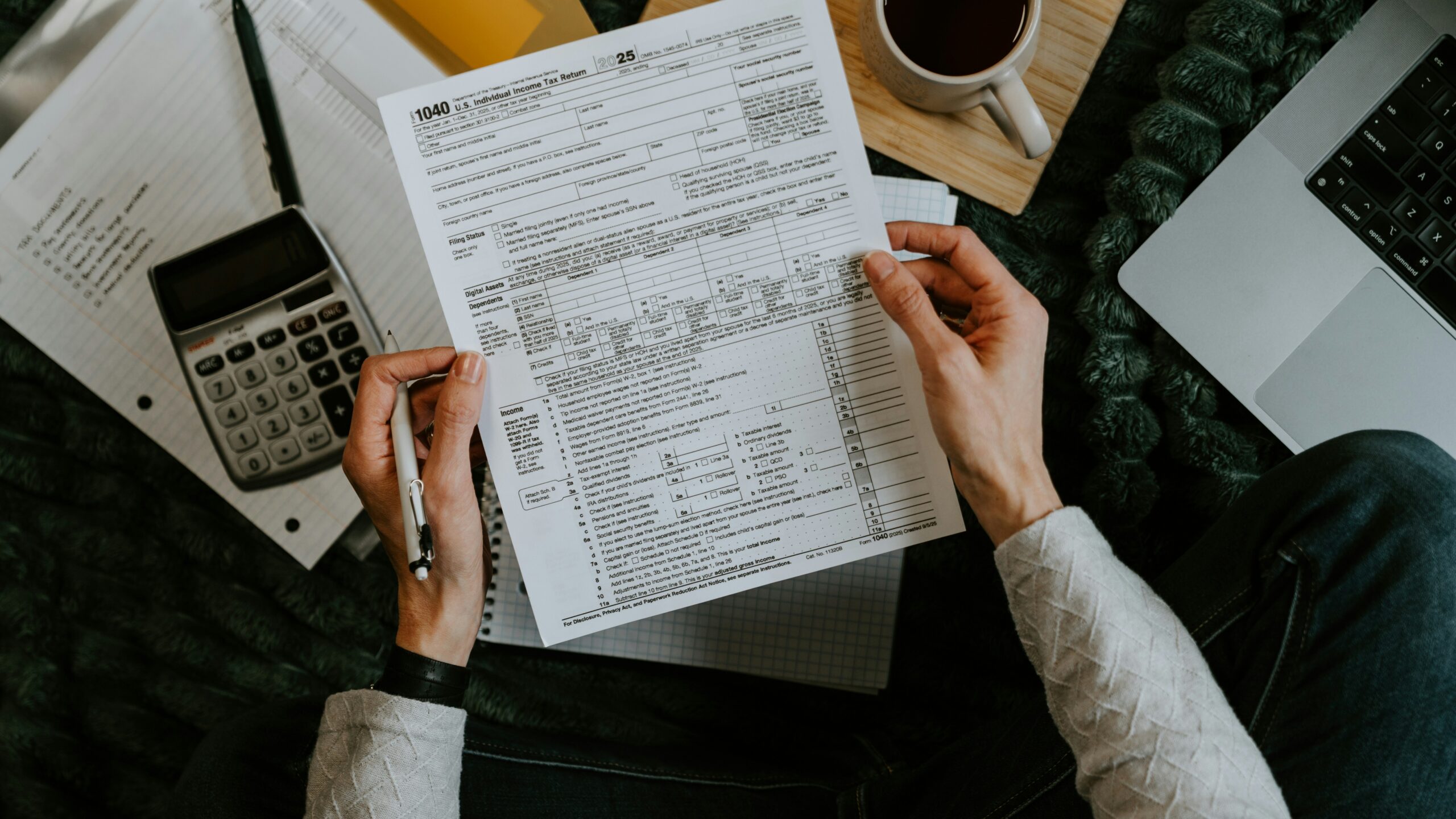
IRS Publication 505 supplies the worksheets that calendar-year filers use to calculate the required installment amount. The publication walks through two methods: a standard approach based on prior-year liability and an annualized income method for people whose earnings fluctuate sharply across quarters. Choosing the wrong method, or skipping the worksheet entirely and guessing, can result in either an underpayment penalty or an unnecessary overpayment that ties up cash until the annual return is filed.
Under the standard method, taxpayers project their full-year income, deductions, and credits, then divide the estimated tax into four equal installments. This works reasonably well for people with steady earnings, such as consultants on long-term contracts or landlords with stable rent rolls. The annualized income method, by contrast, allows filers with uneven cash flow – for example, seasonal businesses or investors realizing large gains in a single month – to align each quarter’s payment with the income actually earned in that period. That can reduce or eliminate penalties for early quarters when income was low.
Regardless of the method, documentation matters. Tax professionals recommend retaining the worksheets, underlying income estimates, and proof of payment in case the IRS later questions whether a shortfall was truly an underpayment or simply the result of a reasonable projection that changed as the year unfolded. Keeping copies of bank confirmations or EFTPS receipts can also help resolve disputes about whether a June 15 payment was initiated on time.
What to do if you cannot pay the full amount
Taxpayers who realize close to the deadline that they have underpaid for the April–May window still have options. Sending in a partial estimated payment by June 15 can limit the portion of the penalty tied to that period, since interest under Section 6654 applies only to the unpaid balance. Updating Form W-4 with an employer to increase wage withholding for the rest of the year may also help meet safe harbor thresholds, though it will not erase penalties already triggered for earlier quarters.
For those facing a cash crunch, financial planners often suggest reviewing whether income can be shifted into a later quarter or whether deductible expenses can be accelerated, but such strategies depend heavily on individual circumstances and may carry their own risks. What does not change is the calendar: for income earned from April 1 through May 31, the IRS expects a good-faith estimated tax payment by Monday, June 15, 2026, and it will apply the statutory interest charge to any shortfall that arrives late.