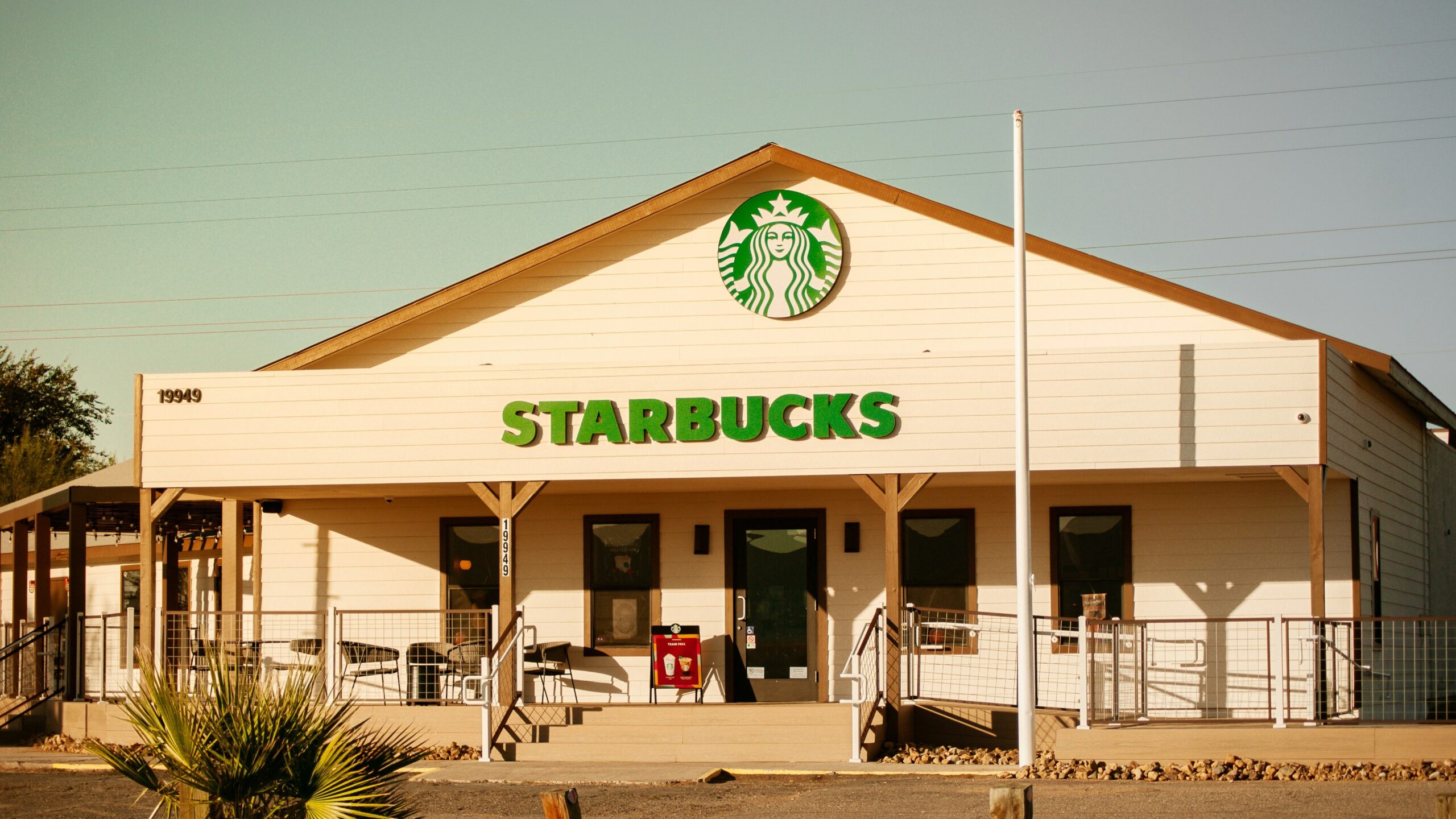
Starbucks has called Seattle home since a single Pike Place storefront opened in 1971. Now the company is betting $100 million that its future also runs through Nashville.
In a January 2026 internal memo first reported by the Associated Press, Sara Kelly, Starbucks’ executive vice president and chief partner officer, outlined plans to open a major corporate office in Nashville, Tennessee, and staff it with as many as 2,000 employees over roughly five years. A Starbucks corporate statement confirmed the selection of Tennessee, describing the facility as a home for support teams and “corporate cafes designed to bring employees together.” CEO Brian Niccol framed the Nashville office as part of a broader push to expand the company’s operational footprint, though no direct quote from him has appeared in public reporting.
Starbucks has been unequivocal on one point: Seattle remains the global headquarters. Nashville is positioned as a complement, not a replacement. But the scale of the commitment, and its timing, has sharpened a familiar question on the other side of the country: how long does “complement” stay that way?
The layoff math that haunts the announcement
In early 2025, Starbucks eliminated roughly 1,100 corporate positions as part of a restructuring led by Niccol, who took over as CEO in September 2024. The cuts were designed to flatten management layers and redirect resources toward stores and technology. Less than a year later, the company announced 2,000 new roles in a different city.
Starbucks has not said how many of the Nashville positions, if any, will be transfers from Seattle or backfills for jobs that were cut. Without that breakdown, the “net new jobs” framing remains an open question. For workers in Seattle who survived the layoffs, the sequence is hard to read as anything other than a geographic reshuffling, even if the company insists otherwise. One sentiment echoed across online forums frequented by Starbucks corporate employees captures the mood: uncertainty about whether staying loyal to the Seattle office still means staying close to the company’s center of power.
Why Nashville, and why now
Nashville has quietly assembled one of the most aggressive corporate-recruitment records in the South. AllianceBernstein completed its headquarters relocation there from New York in 2024. Oracle announced a major campus along the Cumberland River in 2021, with phased construction underway on a project spanning multiple buildings and years of buildout. Amazon announced a 5,000-employee operations hub in the city’s downtown core in 2018 and has been actively hiring for the facility since 2021, though it is unclear whether the company has reached its original headcount target.
Tennessee’s pitch to employers is straightforward: no state income tax on wages, a cost of living well below coastal metros, and a growing talent pipeline fed by Vanderbilt, Belmont, and Middle Tennessee State. For a company trying to build teams at lower salary and real-estate costs than Seattle commands, the economics are compelling. Opening a hub in Nashville lets Starbucks frame the move as expansion rather than retreat, even as it trims costs elsewhere in the organization.
The influx of corporate offices has also reshaped daily life for Nashville residents. Housing costs in Davidson County have climbed sharply over the past several years, and longtime residents have voiced concern at Metro Council meetings and in local media about whether the jobs these companies bring will benefit existing communities or primarily attract transplants who accelerate displacement. Whether Starbucks’ arrival deepens that tension or broadens opportunity depends in part on the wage levels and hiring practices the company adopts locally.
The incentive question no one has answered
Tennessee’s Department of Economic and Community Development and Department of Revenue jointly administer a menu of business incentive programs, including tax credits, grants, and rebates outlined in the state’s published guidance. A deal of this size almost certainly involves some form of public subsidy. But the specific terms offered to Starbucks have not been disclosed as of May 2026, and no Tennessee officials have commented on the record about the package.
State law requires the Department of Revenue to file annual reports on the tax credits it administers, so the financial details should eventually reach the public record. The timeline for that disclosure is unclear. Until those filings appear, taxpayers cannot independently assess what Tennessee committed to land the deal or what performance benchmarks Starbucks must hit to collect the full benefit.
It is also unknown whether Nashville’s Metro government is layering on its own incentives, such as property tax abatements or infrastructure spending near the office site. Starbucks has not disclosed the precise address, the square footage of the planned space, or whether it will lease an existing building, construct a new one, or pursue some combination.
What Seattle stands to lose
Seattle has watched this pattern before. Boeing moved its corporate headquarters from the city to Chicago in 2001, then from Chicago to Arlington, Virginia, in 2022. Each move was described as strategic, not a retreat. The cumulative effect was a steady drain of executive presence and decision-making power from the Pacific Northwest.
No one in an official capacity has drawn that parallel for Starbucks, and the two companies operate in very different industries with different workforce needs. But the anxiety is real. Two thousand employees and $100 million is large enough to shift a company’s internal center of gravity over time, particularly when the roles Nashville will house have not been specified. If the hub attracts senior leadership, strategy, or technology functions, the pull could be significant. If it is primarily back-office support, the impact on Seattle may be more limited.
As of May 2026, no primary statements from Seattle city officials or the Seattle Metropolitan Chamber of Commerce have addressed the potential headcount impact on the Pacific Northwest headquarters. The silence itself is telling: the city appears to be watching and waiting rather than sounding alarms.
Disclosure timelines that will shape the real story
The Nashville expansion is best understood right now as a significant corporate commitment with several critical blanks still unfilled. The $100 million investment figure, the 2,000-job target, and the decision to keep Seattle as global headquarters are all supported by company statements and credible AP reporting. Those are the load-bearing facts.
The finer points depend on documents and data that have not yet surfaced. Tennessee’s annual incentive reports, Starbucks’ future earnings calls, and real-estate filings in Nashville will fill in the picture over the coming months. Until then, the $100 million and 2,000 jobs are projections from a company in the middle of a major strategic overhaul, not audited outcomes. They deserve serious attention, but the full story will not be written until the money is spent, the offices are staffed, and the impact on Seattle can be measured rather than guessed at.