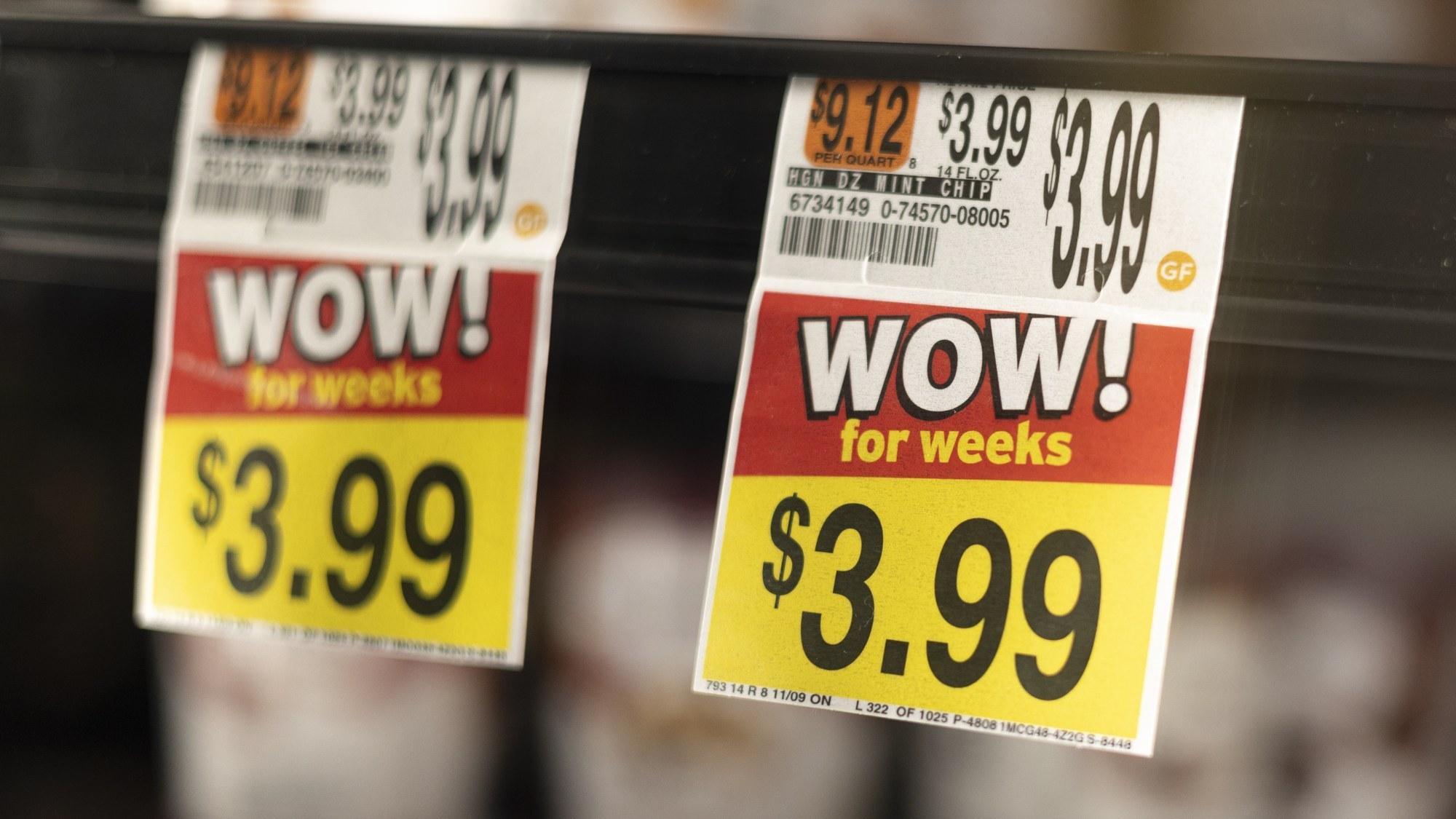
American consumers kept swiping their cards in April 2026, but the receipt tells a split story. Total retail and food service sales rose 0.5% from March to a seasonally adjusted $757.1 billion, according to the U.S. Census Bureau’s advance monthly report. That is a sharp cooldown from March’s revised 1.6% surge, a gain initially pegged at 1.4% before upward revisions. And the category breakdown matters more than the topline: gasoline stations pulled the average higher, while department stores cratered 3.2%, clothing retailers slid 1.5%, and furniture shops fell 2%.
Strip away the fuel pump and the picture looks less like resilience and more like retrenchment.
Higher gas prices inflated the headline number
Gasoline station receipts climbed in April as pump prices stayed stubbornly elevated. Weekly data from the Energy Information Administration showed the national average for regular-grade gasoline above $3.50 a gallon in each of the agency’s four weekly readings during April. Because the Census Bureau reports retail sales in nominal dollars, not inflation-adjusted ones, higher fuel prices mechanically boost gas-station revenue even when drivers are not buying an extra drop.
That distinction is critical. A household spending $60 instead of $55 to fill the same tank is not consuming more. It is just paying more, and the leftover cash for everything else shrinks.
Discretionary categories absorbed the blow
The categories that depend on consumers feeling flush enough to buy what they want, not just what they need, took the hardest hits. The Census Bureau’s advance data showed department store sales dropping 3.2% month over month, furniture and home furnishing stores falling 2%, and clothing and accessories retailers declining 1.5%.
Those are textbook belt-tightening moves. A new couch, a spring wardrobe refresh, a department-store browse: these are the purchases households postpone first when the budget feels tight. The pattern is consistent with what the Conference Board’s consumer confidence index has been signaling for months, namely that households are growing more guarded about the economic outlook even as they continue to spend on necessities.
Nonstore retailers, the category dominated by e-commerce, offered a partial counterweight. Online sales have been one of the more consistent growth channels in recent months, and their relative strength in April underscores a broader shift: when consumers do spend on discretionary goods, they are increasingly doing so from their phones rather than in a fitting room.
March’s tariff-driven surge borrowed from April
March’s upwardly revised 1.6% jump had a backstory. Economists flagged at the time that shoppers appeared to be pulling purchases forward ahead of anticipated tariff-related price increases on imported goods. That kind of front-loading creates a sugar high: spending looks strong in the month it happens, then sags the following month as demand that would have occurred naturally has already been satisfied.
April’s deceleration fits that pattern. It does not prove the entire slowdown was a tariff-timing artifact, but it makes the March-April pair harder to read as a clean trend in either direction.
Easter timing muddies the water further. The holiday shifts spending on clothing, dining, and gifts between March and April depending on the calendar, and the Census Bureau’s seasonal adjustment methodology does not always capture those swings cleanly in the advance release. The agency publishes adjustment factors for each category, and revised figures due in the coming weeks could soften or deepen the declines reported in this first estimate.
It is also worth noting that the advance data carries meaningful sampling error, especially for smaller retail segments. The Census Bureau’s own published standard errors suggest that a single month’s 3.2% drop in department stores could partly reflect statistical noise rather than a precise measure of demand. Revisions in subsequent releases often tell a different story than the first print.
The year-over-year number needs an asterisk
April’s retail total ran 4.9% above April 2025, and the rolling three-month window from February through April was 4.4% higher than the same period a year earlier. Those figures sound healthy, but they are nominal. Consumer prices have risen over the same span, which means the real, inflation-adjusted gain in spending is smaller than the headline suggests. Until the Bureau of Economic Analysis publishes its personal consumption expenditures data for April, the precise real growth rate remains an estimate, but it is almost certainly well below 4.9%.
That gap between nominal and real spending growth is one reason economists have been cautious about declaring the consumer “strong.” Spending levels have held up, yes. But spending power has not kept pace, and the composition of where dollars are going, more to gas, less to goods people actually want, tells a story of adaptation rather than exuberance.
The Fed factor: rate expectations shape the consumer calculus
The monetary policy backdrop adds another layer to the spending picture. With the Federal Reserve holding its benchmark rate steady through the spring, borrowing costs for auto loans, credit cards, and home equity lines remain elevated. That posture weighs most heavily on the same big-ticket, credit-sensitive categories that weakened in April, including furniture and department store merchandise. As long as markets expect the Fed to keep rates at current levels, households face a higher bar for financing discretionary purchases, reinforcing the rotation toward essentials visible in the April data.
Revised April figures and the advance May report will test whether the pullback sticks
Revised April figures and the advance May retail report are both scheduled for release in mid-June 2026. Those numbers will reveal whether the discretionary pullback deepened into something more worrisome or whether April was simply the predictable exhale after March’s tariff-fueled inhale.
Retailers are not waiting to find out. Department stores and apparel chains, already navigating years of structural pressure from e-commerce, face a tougher near-term environment if consumers keep prioritizing the gas tank over the shopping bag. Grocery stores and fuel stations, selling what people need regardless of sentiment, sit on firmer ground.
For now, the April report captures a consumer who has not stopped spending but has started choosing more carefully. That is not a crisis. It is a warning light on the dashboard, and the next few months will determine whether it flickers off or stays on.