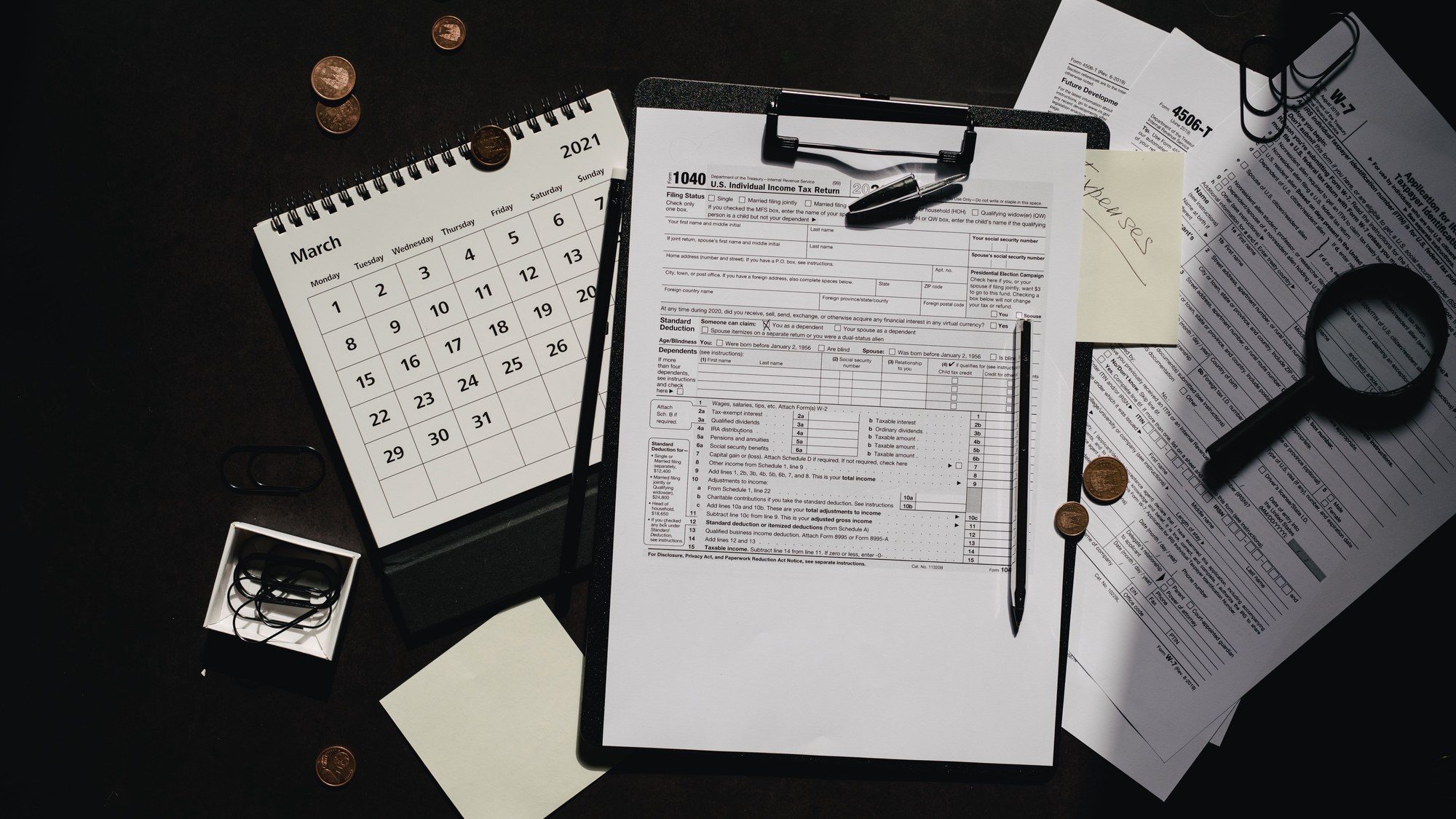
Federal income tax is a pay-as-you-go system, and it does not pause at retirement. Pensions, annuity payments, and withdrawals from traditional retirement accounts are generally taxable, yet many retirees have no employer withholding money the way a paycheck once did. When too little tax is paid during the year, the result is not just a bill in April but an added underpayment penalty on top of it.
How the Underpayment Penalty Works
The penalty applies when a taxpayer fails to pay enough tax over the course of the year through withholding, estimated payments, or a combination. The Internal Revenue Service calculates it much like interest, charging on the shortfall for the period it went unpaid, so it can apply even to a taxpayer who pays the full balance by the filing deadline. Because the charge is tied to a variable interest rate rather than a flat fee, larger and longer shortfalls cost more.
One narrow escape hatch exists at the bottom. The agency does not impose the penalty when the total tax owed after subtracting withholding and refundable credits comes to less than $1,000, and it also waives the charge for a taxpayer who had no tax liability at all in the prior year, provided that year covered a full twelve months. Above the $1,000 floor, the penalty is figured quarter by quarter on Form 2210, which means a taxpayer can owe it for an early period even if later payments eventually catch the balance up.
The Safe Harbors That Prevent It
There are clear thresholds that shield a taxpayer from the penalty. Paying at least 90% of the current year’s tax, or 100% of the prior year’s tax, whichever is smaller, generally avoids it. The estimated-taxes guidance raises that second figure to 110% for filers whose prior-year adjusted gross income topped $150,000. Meeting either safe harbor matters because it removes the penalty regardless of how large the final bill turns out to be. A retiree who owed $18,000 in tax last year, for instance, is protected for the current year after paying in $18,000 through withholding and estimates, even if a large Roth conversion pushes the actual bill far higher, because the prior-year figure is met.
The Four Payment Deadlines That Matter
Estimated tax is not a single annual payment. The estimated-taxes guidance divides the year into four periods with payments generally due in mid-April, mid-June, mid-September, and mid-January of the following year. A taxpayer who waits until the final quarter to send one lump sum can still owe a penalty for the earlier periods that went underpaid, because each installment is judged on its own deadline. Income that arrives unevenly, such as a mutual-fund distribution paid in December, can be reported through the annualized-income method on Form 2210 so the required payment lines up with when the money was actually received rather than being spread across quarters that had no such income.
Free retirement updates: Want plain-English help keeping more of your money in retirement? The free Retirement Shield newsletter covers the benefits, deadlines, and money mistakes that cost retirees, a couple times a week. Subscribe free.
Why Retirees Are Especially Exposed
Retirement income often arrives without automatic withholding. A required minimum distribution taken late in the year, a large one-time IRA draw, or investment gains can leave a retiree far short of the safe harbor with no paycheck to make up the difference. Retirees who move from a lifetime of employer withholding into self-directed income are among the most likely to be surprised by the charge in their first years out of the workforce.
Two Ways to Stay Ahead of It
Retirees have two tools. They can make quarterly estimated payments on the schedule the IRS sets, or they can ask payers to withhold tax directly from pension, annuity, and retirement-account distributions using the withholding elections those plans offer. The agency’s pay-as-you-go guide notes that withholding is treated as paid evenly across the year, which can repair an earlier shortfall in a way a late estimated payment cannot. Retirees have specific tools to set that withholding up. A Form W-4V directs the Social Security Administration to hold back a chosen percentage of a benefit check, and a Form W-4R sets the rate withheld from pension, annuity, and retirement-account distributions. A retiree who discovers a shortfall late in the year can even ask a plan to withhold a large amount from a December distribution, and because that withholding is spread across the full year in the penalty calculation, it can erase an underpayment that a fourth-quarter estimated check would not. A narrow relief provision also exists for taxpayers who retired after reaching age 62 in the current or prior year and underpaid for reasonable cause, but it is discretionary rather than automatic. For most retirees, the reliable defense is matching payments to income as it is received rather than waiting for the return.
This article was produced with AI assistance and reviewed by The Financial Wire editorial team.
More Financial Reading
- Adding someone to your bank account: tax traps and smart moves
- The ideal retirement withdrawal rate so your savings actually last