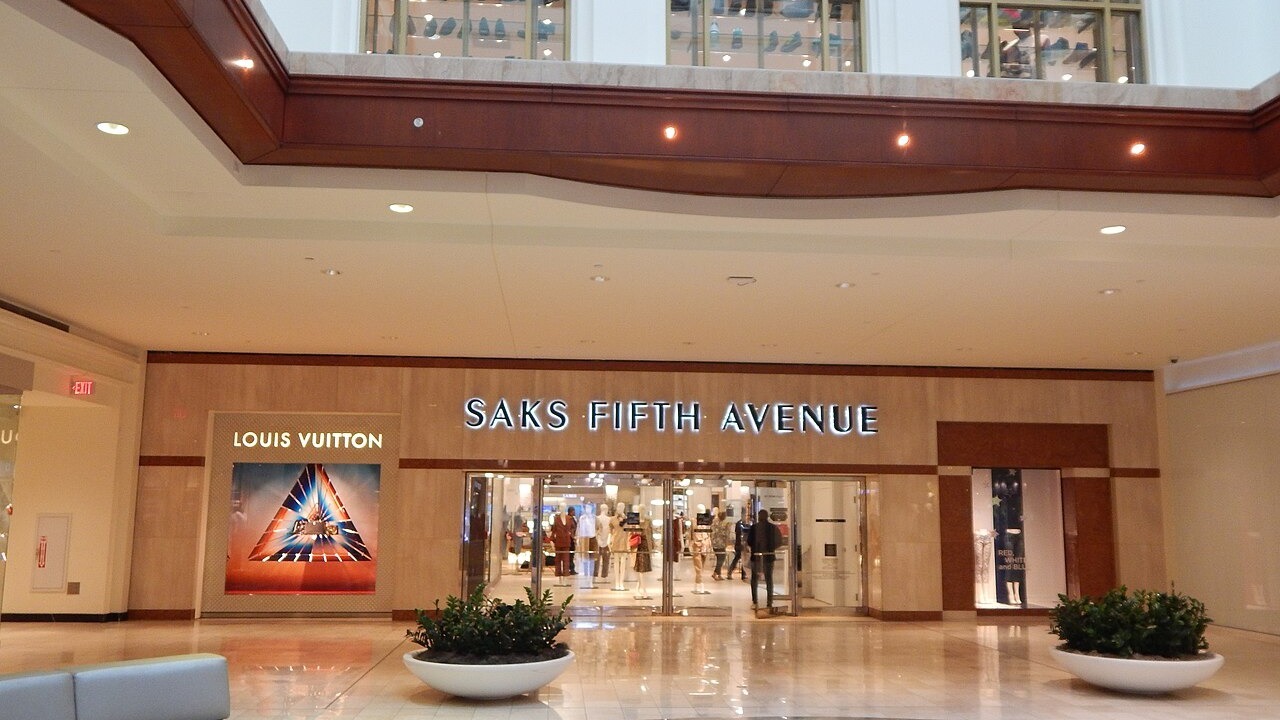
Saks Global exited Chapter 11 bankruptcy protection in roughly nine months, rebranding itself as Exemplar Luxury Group and placing three of America’s most recognized luxury retail names under a single corporate umbrella. The company now operates Neiman Marcus, Saks Fifth Avenue, and Bergdorf Goodman with reduced debt, a feat that sets it apart from the wave of retailers that have filed for protection in 2026 only to liquidate or remain stuck in drawn-out proceedings.
A nine-month bankruptcy sprint and what it signals
The restructuring case, filed under lead case number 26-90103 in the U.S. Bankruptcy Court for the Southern District of Texas, carries a petition date in mid-January 2026. Emerging by mid-year with a new parent name and a consolidated brand portfolio suggests the company entered the process with a clear plan rather than improvising one during creditor negotiations.
Speed matters here for a specific reason. Luxury retail depends on brand perception, and prolonged bankruptcy proceedings erode supplier confidence, customer trust, and employee retention simultaneously. By compressing the timeline, the company limited the period during which vendors could pull back on merchandise allocation or shoppers could drift to competitors like Nordstrom or direct-to-consumer luxury houses. The strategy appears designed to lock in cost reductions and a unified operating structure before any broader economic slowdown further squeezes discretionary spending.
That compressed schedule also distinguishes Exemplar Luxury Group from other retailers that filed this year. Several mid-tier and specialty chains have either converted to liquidation or remain in open-ended proceedings with no confirmed exit date. A nine-month turnaround for a multi-banner luxury operation is unusually fast, and it reflects the degree to which pre-filing preparation shaped the outcome. Reporting from the Associated Press underscores that the company’s plan centered on preserving core brands and avoiding the store-closing cascades that have marked other recent retail bankruptcies.
Debt reduction and the Exemplar Luxury Group rebrand
The company formally adopted the name Exemplar Luxury Group upon emergence, retiring the Saks Global corporate identity. The new parent holds all three banners, positioning them as a single luxury platform rather than three separate businesses that happen to share ownership. The rebrand signals an attempt to present a unified face to vendors, landlords, and consumers while still maintaining the distinct personalities of each chain.
The restructuring cut the company’s debt load, though exact pre- and post-emergence totals have not been disclosed in the court portal or the company’s own public statements. Leadership has pointed to fresh financing secured at exit and described the reduction as meaningful, but specific dollar figures and interest rates remain absent from the primary filings available so far. That lack of detail limits outside analysis of whether the new capital structure is durable enough to withstand a sustained pullback in luxury spending or further interest-rate volatility.
Store closures did not define this bankruptcy. The company’s footprint across Neiman Marcus, Saks Fifth Avenue, and Bergdorf Goodman locations appears to have remained largely intact through the process, a contrast with restructurings that use Chapter 11 primarily as a mechanism to shed leases. Keeping stores open preserves the in-person experience that high-end shoppers expect, including personal styling, events, and services that are difficult to replicate online. At the same time, it means the company is betting on sustained foot traffic and full-price selling to service whatever debt remains and to justify continued investment in prime real estate.
What consolidation means for luxury shoppers and suppliers
Bringing three storied banners under one reorganized parent is likely to reshape how the business works behind the scenes. A consolidated platform can centralize buying, logistics, and technology, which may improve margins and negotiating leverage with brands. For luxury labels, dealing with a single, financially stabilized partner may be preferable to navigating three separate organizations that had, in the past, carried heavier balance-sheet burdens.
For customers, the company is framing the reorganization as a way to invest more consistently in omnichannel capabilities, loyalty programs, and curated merchandise. Exemplar has emphasized through its press distribution that it intends to offer “unrivaled” experiences across stores and digital channels, language that suggests continued spending on technology and clienteling tools even after a balance-sheet reset. Whether that promise translates into noticeable improvements will depend on how much of the freed-up cash flow is directed to capital expenditures versus debt service.
The consolidation also raises competitive questions. A stronger Exemplar Luxury Group could pressure rivals that lack similar scale, especially in categories like designer ready-to-wear and accessories where access to exclusive product is critical. At the same time, luxury shoppers have become more comfortable buying directly from brands or through online platforms, which limits how much pricing power any single department-store group can wield.
The road ahead after Chapter 11
Emerging from Chapter 11 in nine months with a new name and a cleaner balance sheet marks a clear turning point, but it does not guarantee long-term success. The company must now prove that its operating model can generate consistent cash flow in a market where affluent consumers have more options than ever and where economic conditions could soften. Execution on merchandising, service, and digital integration will matter at least as much as the legal and financial maneuvers that produced the Exemplar Luxury Group structure.
If the company can use its streamlined capital structure and unified platform to deepen relationships with both shoppers and brands, its rapid bankruptcy sprint may be remembered as a rare retail restructuring that preserved value instead of merely postponing decline. If not, the speed of the process will matter less than the durability of the strategy that followed it.