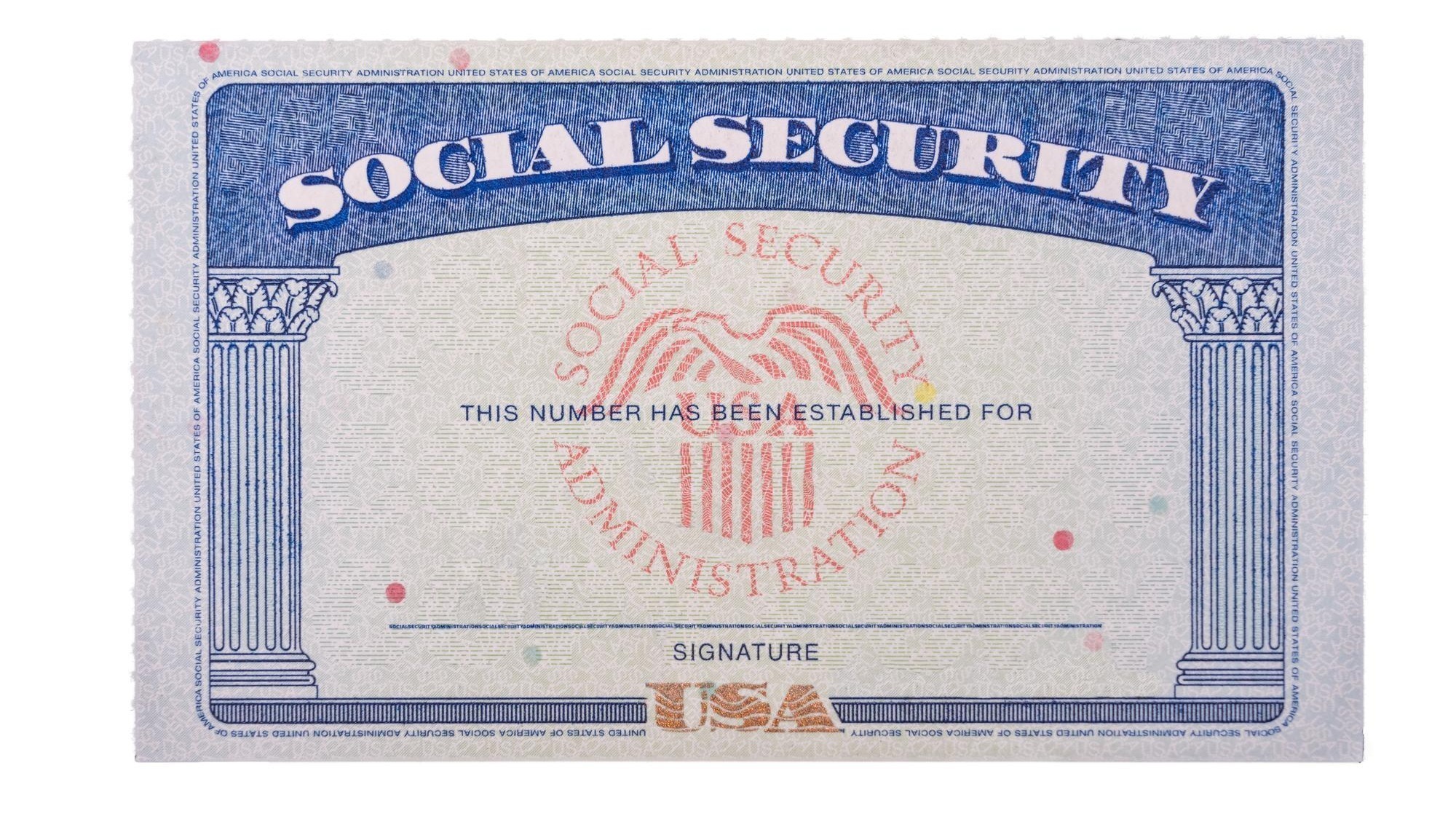
Retirees who owe money to the Social Security Administration could see their entire monthly benefit vanish in a single payment cycle. The SSA announced in March 2025 that it will raise the default overpayment withholding rate to 100% of a person’s monthly benefit for certain new overpayments, reversing a policy that had cut the default rate to just 10% roughly a year earlier. The shift means some beneficiaries will receive nothing while the agency recoups what it says they were paid by mistake.
Why full withholding hit retirees again after a brief reprieve
The timeline of policy reversals tells the story. In March 2024, the SSA reduced its default withholding rate from 100% to 10%, or a $10 minimum, in response to widespread complaints that full benefit seizures were pushing vulnerable people into financial crisis. That change was framed as a way to give beneficiaries more breathing room while they challenged overpayment notices or asked for relief.
The reprieve lasted barely a year. By March 2025, the agency had announced a new policy to return to 100% withholding in certain overpayment cases, signaling that the lower rate had not recovered money fast enough to satisfy program integrity goals. The 2025 announcement emphasized that the higher rate would apply to new overpayments in specific categories, but for affected retirees, the bottom-line effect is the same: their entire monthly benefit can be taken before they have fully navigated the appeals or waiver process.
Internal operational guidance added another twist. An emergency message set a 50% default for Title II overpayment notices effective April 25, 2025, according to SSA instructions circulated to field offices. As a result, the agency has now cycled through three different default rates in roughly 13 months: 100%, then 10%, then back toward 100% with a 50% interim step for certain Title II cases. Each change resets the baseline for how much money the government can take from a retiree’s check before the retiree even files an appeal or requests a waiver, and it complicates planning for people on fixed incomes.
The practical effect for someone receiving, say, $1,800 a month is stark. Under the 10% default, the SSA would have withheld $180 per month, leaving $1,620 to cover rent, food, utilities, and medical costs. Under a 50% default, the same person would lose $900 each month. Under a 100% default, that person could receive $0 until the full overpayment balance is cleared. The speed of recovery rises dramatically as the rate increases, but so does the risk of immediate hardship for people who depend on Social Security as their primary or only income.
Legal authority and fraud rules behind 100% benefit seizure
The SSA’s power to withhold benefits traces to federal regulation 20 CFR 404.502, which governs recovery of Title II overpayments by adjusting benefits payable on the same earnings record. That rule authorizes the agency to reduce or stop monthly checks to recoup money it considers improperly paid, subject to certain notice and due process requirements. In practice, the regulation provides the legal foundation for setting default withholding rates that can range from modest partial reductions to complete benefit suspension.
Separate procedural rules go even further in specific circumstances. After a fraud conviction related to Social Security benefits, SSA internal policy instructs staff to apply full monthly withholding until the overpayment is recovered. In these fraud cases, the presumption is that the beneficiary should not receive any ongoing payments until the government has been made whole, and field offices are directed to use 100% withholding unless a narrow exception applies.
Cross-program recovery rules can also lead to aggressive collection. When someone has been overpaid under the Supplemental Security Income program but is now receiving Title II retirement or disability benefits, agency procedures allow SSA to take up to the entire Title II benefit to satisfy the SSI debt in some situations. In willful misrepresentation or concealment cases, the rules require that at least $1.00 in benefits be left on the record, but otherwise permit near-total seizure. For beneficiaries who rely on every dollar of their check, that distinction between $0 and $1 offers little practical protection.
Despite this broad authority, the law does not make recovery automatic or absolute. Beneficiaries generally have the right to appeal an overpayment determination if they believe SSA miscalculated or wrongly concluded they were at fault. They can also request a waiver, arguing that they were not at fault and that repayment would defeat the purpose of the program or be against equity and good conscience. During these processes, some people can negotiate lower withholding rates or temporary suspensions, but those options require navigating complex forms and deadlines that many older adults find daunting.
The rapid policy swings between 10%, 50%, and 100% defaults underscore a tension at the heart of Social Security administration: balancing stewardship of public funds against the reality that most beneficiaries live on tight budgets. For retirees already struggling with rising housing and medical costs, the prospect of losing half or all of a monthly check with little warning can be destabilizing. As SSA continues to refine its overpayment rules, the stakes for those depending on every scheduled deposit could not be higher.
Free for readers: The free Retirement Shield newsletter sends plain-English help keeping more of your money in retirement — the scams to dodge, the benefits you’re owed, and what’s changing with Social Security and Medicare, a couple times a week. Get the free newsletter.