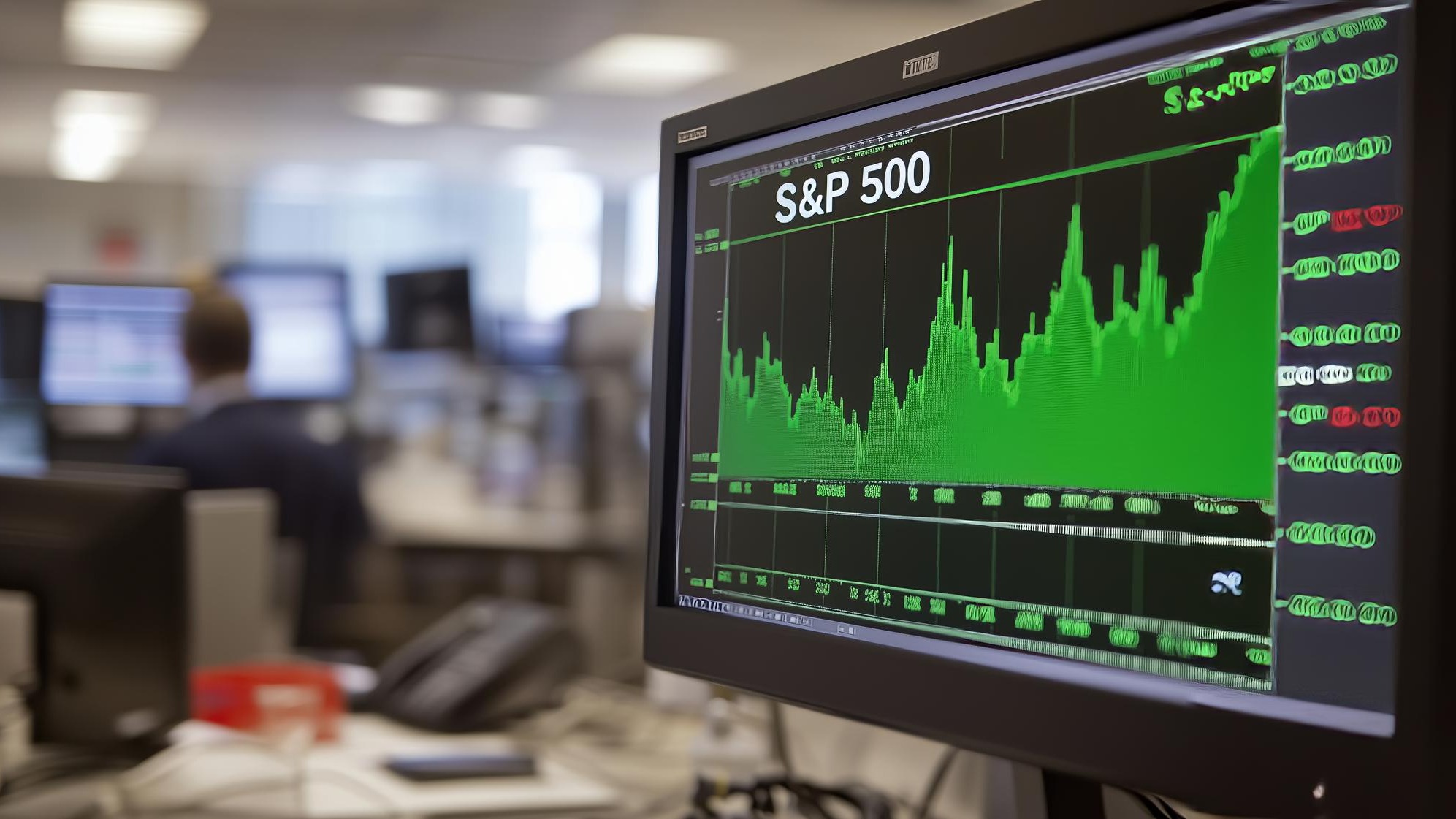
The S&P 500 closed at 7,209.01 on April 30, 2026, crossing the 7,200 threshold for the first time and locking in a roughly 10% gain for the month of April. The index opened April near 6,550, making the surge to 7,209.01 a gain of approximately 10%, a figure comparable to November 2020’s roughly 10.75% advance and the strongest single-month performance since that vaccine-driven relief rally.
The catalysts this time were more corporate than epidemiological. Blowout quarterly earnings from the largest U.S. technology companies, including results from mega-cap names such as Apple, Microsoft, and Nvidia that showed resilient revenue growth and expanding profit margins, combined with a sharp drop in crude oil prices and a Federal Reserve content to stand pat on interest rates to pull the benchmark index higher in nearly every session of the month, according to Bloomberg.
Thursday’s final session alone added roughly 1%, the Associated Press reported, enough to vault the index past its previous all-time high. The Federal Reserve Bank of St. Louis FRED database, sourcing S&P Dow Jones Indices LLC, confirms the closing level.
Big tech delivered, and oil gave the rest of the market a tailwind
April’s advance was top-heavy. Mega-cap technology firms, particularly those in semiconductors, cloud computing, and consumer devices, reported quarterly results that showed resilient revenue growth and expanding profit margins, and investors rewarded them aggressively. Bloomberg’s reporting pointed to those earnings as the primary engine of the rally, with the sector pulling the cap-weighted index upward even as gains in other corners of the market were more modest.
Falling energy prices reinforced the move. Crude oil dropped roughly 8% through April, pressured by softer global demand forecasts and signals from major producers that output would remain elevated, according to Bloomberg. The decline lowered input costs for manufacturers, airlines, and retailers while easing one of the persistent sources of consumer-price pressure that had kept the Federal Reserve cautious. For equity investors, cheaper oil served a dual purpose: it improved near-term earnings outlooks for energy-consuming sectors and bolstered the case that inflation would continue to cool.
The S&P 500 entered the month near 6,550 and climbed steadily, accelerating in the final week as the bulk of mega-cap earnings landed. A roughly 10% monthly surge dwarfs the index’s long-run average monthly return of less than 1% and places April 2026 alongside a small handful of standout months over the past two decades.
The economy grew, but more slowly
The record close landed on the same morning the Bureau of Economic Analysis published its advance estimate of first-quarter 2026 GDP. Real output expanded at a 2.0% annualized rate, a step down from the stronger readings posted in late 2025 but still comfortably in positive territory.
Wall Street read the number through two lenses. A cooling economy could eventually squeeze corporate profits if consumer spending and business investment lose further momentum. But slower growth also tends to pull inflation lower, and that opens the door for the Federal Reserve to cut rates later in the year. On April 30, the optimistic interpretation won out: stocks rallied into the close, suggesting traders viewed the GDP print as soft enough to keep rate-cut hopes alive without being weak enough to signal recession.
The Fed held rates and offered few surprises
One day before the milestone close, the Federal Open Market Committee wrapped its April 28-29 policy meeting and left its benchmark interest rate unchanged. The decision, released in the committee’s post-meeting statement on April 29, was widely anticipated. Chair Jerome Powell’s press conference addressed inflation trends, labor market conditions, and the balance of risks, but offered no explicit signal that a rate cut was imminent.
For the rally, the absence of a hawkish surprise was enough. Markets had already priced in a hold, and Powell’s measured tone did nothing to disrupt the momentum building from earnings season. The more consequential question, whether the Fed’s language hinted at easing later in 2026, will be debated as traders digest the full transcript and any updated economic projections in the weeks ahead.
What a 10% month leaves unresolved heading into summer 2026
Speed matters as much as direction. Compressing a year’s worth of typical appreciation into 30 trading days raises a practical question: have stock prices run ahead of the earnings and economic data that need to justify them?
Several answers are still outstanding as of late May 2026. Quarterly results from individual companies will continue to fill in through the month, revealing whether the earnings strength Bloomberg highlighted is broad-based or concentrated among a few trillion-dollar giants. The BEA will revise its GDP estimate at least twice as more complete data arrive. And the Fed’s next steps hinge on inflation readings and jobs reports that have yet to be published.
What the data do confirm: the S&P 500 ended April 2026 at a level it had never reached, driven by a convergence of strong tech profits, cheaper energy, patient monetary policy, and an economy still growing. Whether that combination can hold the index at these heights, or whether the rally borrowed returns from the months ahead, is the central question facing investors through June 2026.