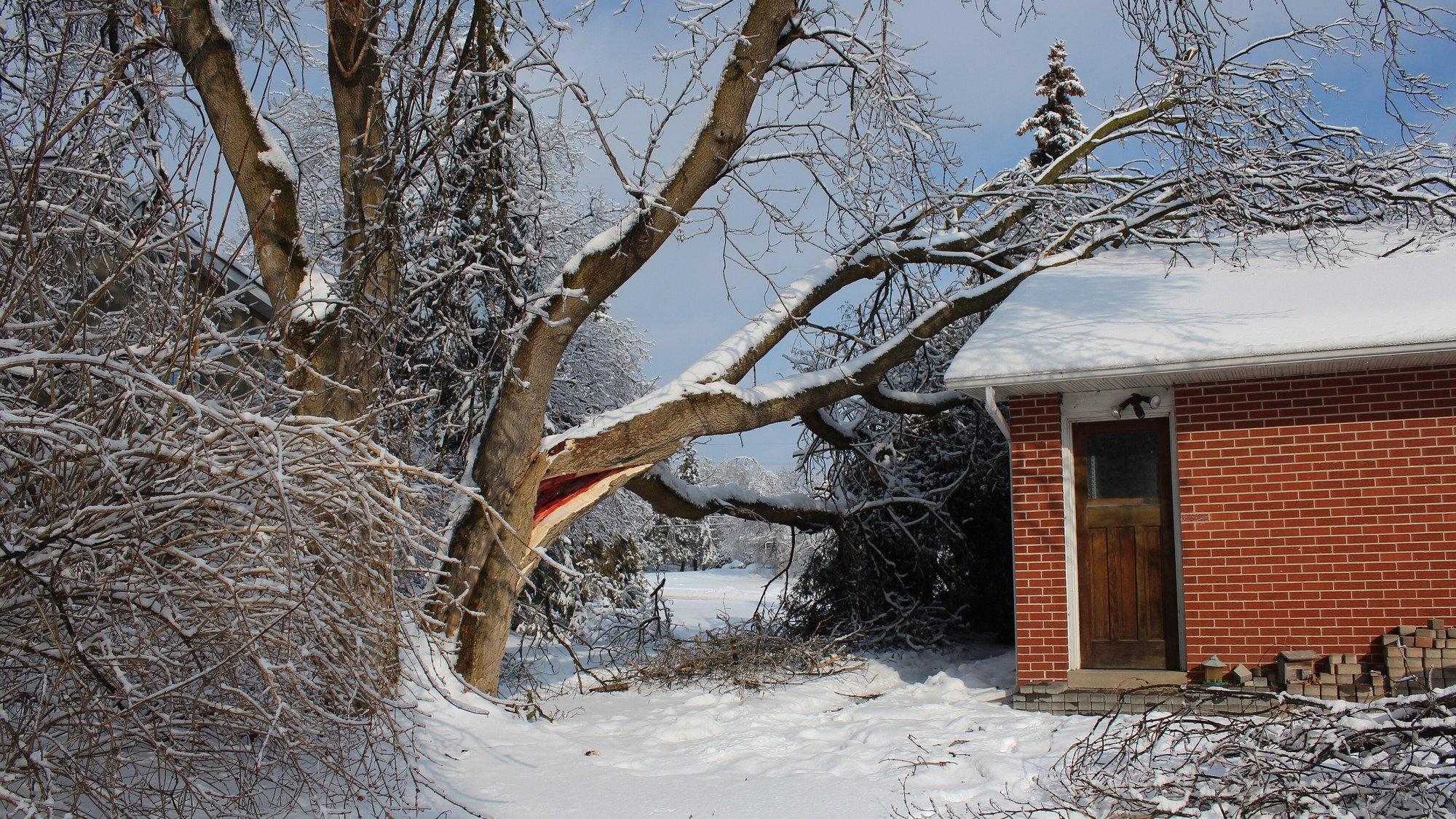
The knock comes a day or two after a bad storm. A friendly crew says they were “working in the neighborhood,” noticed damage to the roof, and can start right away for a deposit down now. For an older homeowner rattled by wind damage and worried about the next rain, the offer sounds like relief. Too often it is the opening of a con: the money changes hands, and the promised repair is never finished, done badly, or never started at all.
The Storm-Chaser Playbook Runs on Speed and Fear
These operators, often called storm chasers, follow severe weather from town to town and go door to door offering fast roof and repair work while homeowners are anxious and vulnerable. The pitch is built to rush the decision before anyone can think it through. A crew presses for a large upfront deposit, or full payment before work begins, then either vanishes with the cash, leaves the job half done, or performs shoddy work that fails at the next storm. The urgency is not about the homeowner’s roof; it is about closing the deal before the owner gets a second opinion. Retirees on fixed incomes are frequent targets, both because they are often home during the day and because the loss of a repair deposit hits a set budget hard. The timing is deliberate as well. These crews appear in the narrow window right after a storm, when legitimate local contractors are booked solid, insurers are fielding a flood of claims, and homeowners feel real pressure to get a roof covered before more rain arrives. That combination of scarcity and urgency is precisely what a storm chaser is counting on, because a homeowner who has no time to shop around and fears further damage is far more likely to hand over money to the first crew that shows up with a confident pitch and a clipboard.
Free retirement updates: Want plain-English help keeping more of your money in retirement? The free Retirement Shield newsletter covers scams, benefits, and money many retirees may be owed, a couple times a week. Subscribe free.
Warning Signs a Repair Offer Is a Trap
A dishonest storm-repair pitch tends to carry the same tells. There is heavy, act-now pressure to sign before the homeowner has time to compare options. The crew has no local address, no verifiable license, and no track record that can be checked in the community. There is a demand for full payment or a large deposit before any real work is done. And there is often an offer to “handle” the insurance claim, sometimes with a request that the owner sign over the insurance check or assign the claim benefits to the contractor. Any one of those signals is reason to slow down; several together are a strong sign the operation intends to take the money rather than fix the roof.
The Insurance-Check Handoff Is a Costly Trap of Its Own
The move to take control of the insurance claim deserves special caution, because it can cost far more than a deposit. When a homeowner signs over the insurance proceeds or assigns the benefits, the contractor can deal directly with the insurer, inflate the claim, or collect the payout while leaving the actual repair unfinished, and the homeowner loses leverage over money meant for their own home. A legitimate contractor is paid for completed work; one insisting on being handed the insurance check up front is arranging to be paid whether or not the job is ever done right. Keeping control of the insurance payout keeps control of the repair.
How the FTC Says to Hire Repair Work Safely
The safer approach flips the storm chaser’s script. The Federal Trade Commission’s guidance on hiring a contractor advises getting multiple written bids rather than accepting the first knock, checking licensing and references before signing, and never paying a large deposit or the full amount before the work is complete. It also warns against signing over insurance proceeds and urges getting the full agreement in writing, with the scope, price, and timeline spelled out. A homeowner who insists on comparing bids, verifying that a contractor is licensed and locally established, and paying in stages tied to finished work removes almost everything the storm chaser depends on. The crew wants a fast signature and a check; a deliberate, documented hiring process denies them both.
Protecting the Repair Budget After a Storm
After a storm, the money on the line is real: an insurance settlement meant to restore the home, plus whatever savings a homeowner adds to cover the gap. Handing a deposit or an insurance check to a stranger who chose the neighborhood by chasing bad weather is one of the easier ways to lose that money and still be left with a damaged roof. Taking a few days to gather written bids, confirm licensing and references, keep the insurance payout in the homeowner’s own hands, and pay only for work actually completed is what turns a repair from a target into a transaction, and keeps the recovery money doing what it was meant to do.
This article was produced with AI assistance and reviewed by The Financial Wire editorial team.
More Financial Reading
- Bank statements: how long to keep them and when to toss them
- What really happens to your joint savings account when you die?