A federal student loan borrower earning $40,000 a year with $35,000 in debt was paying roughly $120 a month under the SAVE repayment plan, according to estimates from the Department of Education’s Loan Simulator. Under the Standard Repayment Plan, that same borrower would owe about $370. That is not a hypothetical scenario playing out years from now. It is the default outcome for millions of borrowers who take no action in the next several weeks.
“I went from budgeting $120 a month to staring at a $370 line item, and I have no idea how I am going to cover rent and that payment at the same time,” said one SAVE-enrolled borrower in a public comment submitted to the Department of Education’s Federal Student Aid feedback portal in May 2026.
On July 1, 2026, federal loan servicers will begin mailing notices to every borrower still enrolled in SAVE, giving each person 90 days to choose a different repayment option. Anyone who does not respond within that window will be automatically placed into the Standard Repayment Plan or the new Tiered Standard Plan. Both charge fixed monthly amounts based on the full loan balance, with no adjustment for income and no interest subsidy. For borrowers who depended on SAVE’s lower, income-scaled payments, the result is a bill that can easily triple overnight.
As of May 21, 2026, that leaves 41 days before the first notices go out, and the clock does not pause for borrowers who are not paying attention.
How the transition works
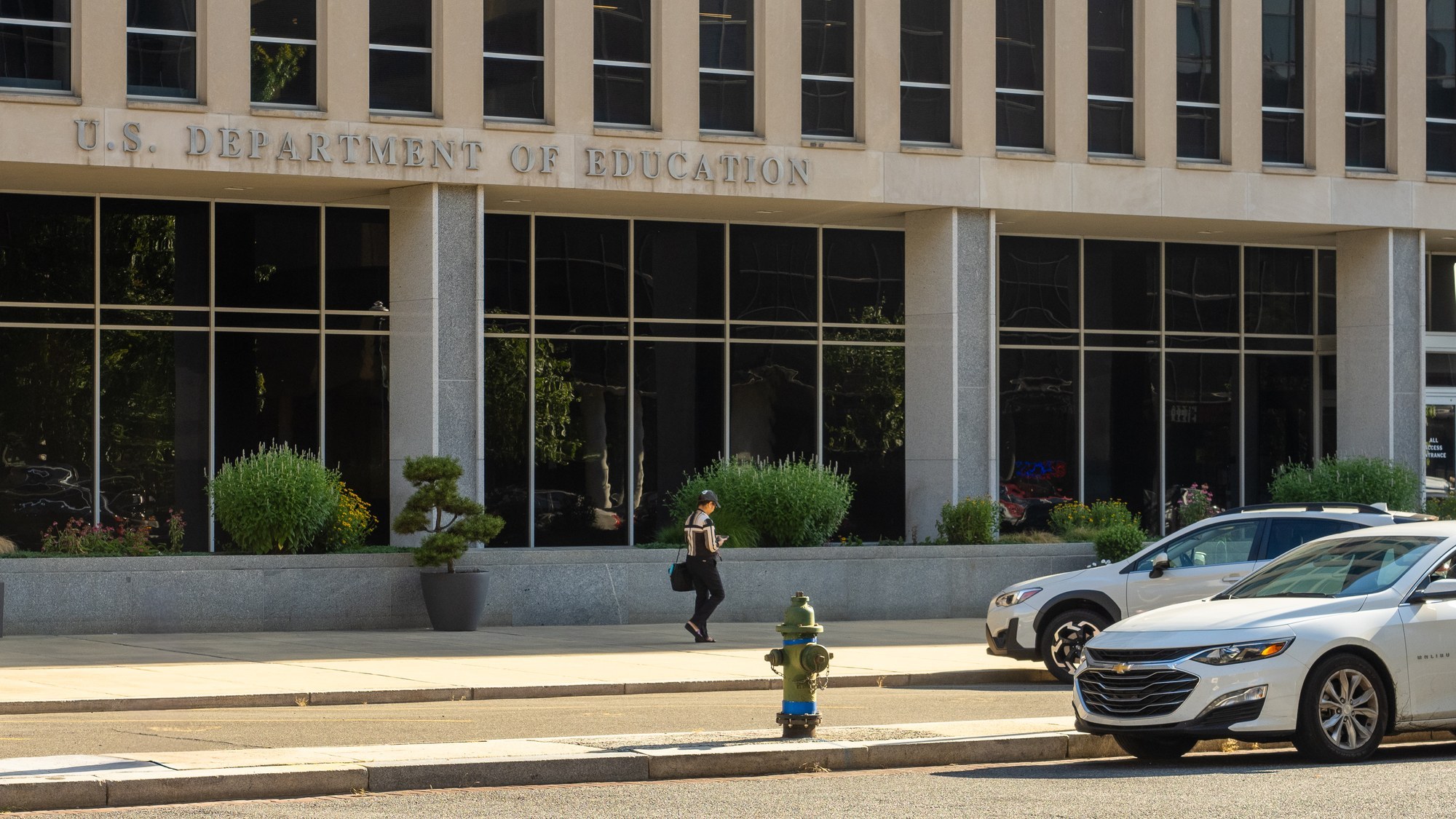
The U.S. Department of Education outlined the process in a press release detailing next steps for SAVE borrowers. Starting on July 1, 2026, each loan servicer will begin sending individualized notices. Once a borrower’s letter is mailed, the 90-day countdown begins. During that window, borrowers can select any repayment plan available under the restructured federal framework. If they do not act, the servicer assigns them to the Standard or Tiered Standard Plan automatically.
Neither replacement plan adjusts payments based on earnings. Standard repayment amortizes the full principal and interest over a fixed term, typically 10 years. For someone who owes $50,000 and was paying a fraction of that under SAVE’s income-driven formula, the shift to a fixed schedule means hundreds of additional dollars each month. Borrowers also lose SAVE’s provision that canceled unpaid interest, which prevented balances from growing when monthly payments did not cover the full interest charge.
The department has not published a current enrollment count for SAVE. Prior to the court-ordered freeze, the plan had roughly 8 million enrollees, according to Department of Education disclosures cited in Eighth Circuit filings. The actual number facing this transition may be lower if some borrowers consolidated or defaulted during the forbearance period, but no updated figure has been released.
The legal and legislative path that killed SAVE
SAVE was created through a 2023 final rule published in the Federal Register, replacing and expanding the older REPAYE plan. It lowered payment thresholds, tied monthly obligations to a smaller share of discretionary income, and subsidized interest so that low earners would not see their balances balloon.
Legal challenges arrived almost immediately. In the case commonly known as Kansas v. Biden, a federal district court in July 2024 blocked key provisions of the plan. By February 2025, the Eighth Circuit Court of Appeals had expanded that injunction to cover the entire program, freezing payments and placing affected borrowers in administrative forbearance. The Department of Education notified those borrowers in July 2025 that interest would resume on August 1, 2025.
A settlement agreement with Missouri, finalized on December 9, 2025, formally ended the plan. It prohibited new SAVE enrollments and required the department to deny any pending applications.
Congress then wrote the replacement into statute. H.R. 1, signed into law as Public Law No. 119-21, establishes a restructured repayment system effective July 1, 2026. The law creates the Repayment Assistance Plan (RAP) as the primary income-driven alternative, alongside the revised Tiered Standard framework. House Report 119-106, which accompanies the legislation, confirms that existing income-contingent and income-based repayment plans authorized under prior statutes, including PAYE and older IBR structures, will be terminated on the same date. Borrowers currently enrolled in those plans face the same transition.
What borrowers still do not know
The broad framework is set, but critical details remain unpublished. Servicer-specific notice templates have not been released, so borrowers do not yet know exactly what their 90-day letters will say or how plan options will be presented. The Department of Education has not issued final regulations or plain-language guidance explaining RAP’s full terms, including how it will treat interest accrual, adjust for family size, or handle eventual loan forgiveness timelines. The statute establishes RAP’s existence and general structure, but without implementing regulations, comparing it to the old SAVE formula is largely guesswork.
That regulatory gap matters because borrowers are being asked to choose a plan during the 90-day window without complete information about the one option designed to replace what they had.
Past transitions offer reason for concern. When the pandemic-era payment pause ended in October 2023, servicers struggled with billing errors, misapplied payments, and call-center wait times that stretched for hours, problems documented in a Consumer Financial Protection Bureau report on the return to repayment. The department’s current guidance says each servicer will handle notices and plan changes individually, but it does not address how backlogs, incomplete applications, or outdated borrower contact information will be managed.
Borrowers who have moved, changed email addresses, or switched phone numbers since entering forbearance may not receive their notices at all. And because the 90-day clock starts when the notice is sent, not when it is opened, a letter mailed to a stale address still counts against the deadline.
What to do before July 1
Borrowers still in SAVE should act now rather than waiting for a servicer letter that may arrive late or never reach them.
Update your contact information. Log in to your servicer’s website and confirm your mailing address, email, and phone number. If your information is wrong, the notice still ships, and the 90-day window still opens.
Identify your servicer. If you are unsure who handles your loans, check StudentAid.gov under “My Aid.” Servicer assignments have shifted multiple times since 2023, and some borrowers were transferred without clear notification.
Run the numbers on available plans. The Federal Student Aid office provides a Loan Simulator that estimates monthly payments under different repayment options. Even though RAP’s final terms are not published, borrowers can compare Standard, Graduated, and Extended plans against their current income and balance to understand the range of possible bills they could face.
Do not assume forbearance will continue. The administrative forbearance that covered SAVE borrowers during the legal fight is ending. Once the new system takes effect on July 1, payments will be expected under whatever plan a borrower selects or is assigned to. There is no additional grace period built into the law.
Why the next 41 days matter more than the 90 that follow
The 90-day response window sounds generous, but it only works for borrowers who actually receive and read their notices. The 41 days before July 1 are the only stretch of time when borrowers can prepare on their own terms: verify contact details, research plan options, and budget for a payment that could be two or three times what they are used to. Once the notices go out, the system moves on a servicer’s schedule, not a borrower’s. Anyone who waits risks being assigned a plan they did not choose, at a price they cannot afford, with limited recourse to undo it quickly.