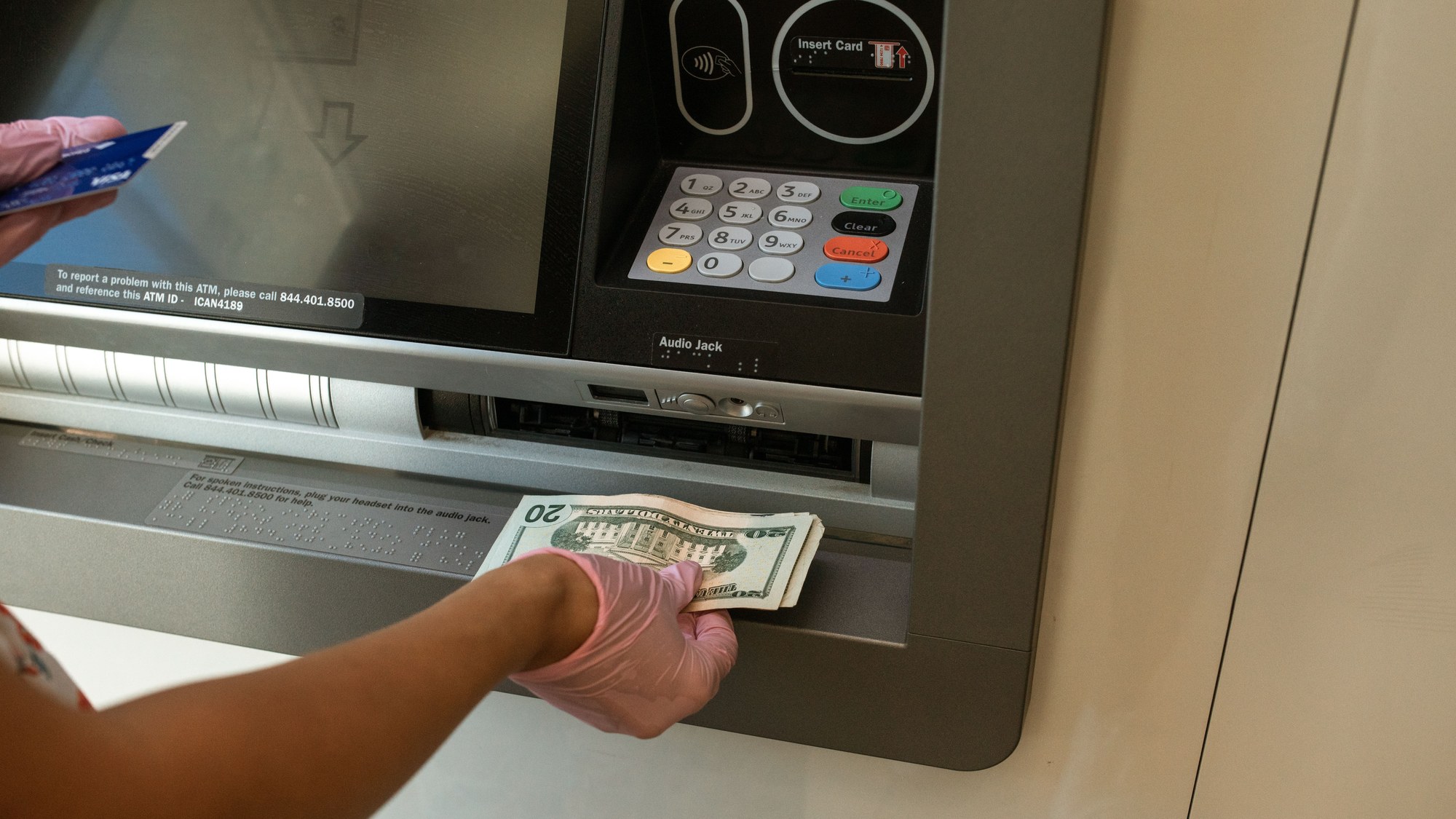
The typical bank savings account in the United States now pays 0.38% a year, a rate that has barely moved for months while some competing accounts pay ten times as much. For a retiree keeping a cash cushion at the same bank used for decades, that gap can mean the difference between a savings balance that quietly loses ground to inflation and one that at least keeps pace.
Why The National Average Sits So Low
The FDIC’s National Rates and Rate Caps data put the national average savings account rate at 0.38%, a figure that has held steady since roughly mid-April 2026 through the agency’s most recent update. That average is deposit-weighted, meaning it is pulled down heavily by the country’s largest banks, which hold an outsized share of total deposits and have little competitive pressure to raise savings rates on customers who rarely shop around. A saver with a savings account at one of those large, branch-heavy banks is very likely earning close to the national average or less, regardless of what the broader interest-rate environment looks like.
Free retirement updates: Enrollment and claim windows come and go, and missing one can cost you real money. The free Retirement Shield newsletter keeps you ahead of the deadlines that matter. Sign up free.
The Gap Between 0.38% And Today’s Top Online Rates
Online savings accounts, which carry lower overhead than a branch network and compete directly for deposits, have been advertising annual percentage yields several times the national average through early September 2026. On $10,000 in savings, the difference between 0.38% and a rate several points higher works out to real dollars over a year, not a rounding error, and the gap compounds every year the money sits at the lower rate. Because both the low-rate legacy account and the higher-rate online account can carry identical FDIC insurance up to $250,000, the rate difference is not a tradeoff for safety; it mostly reflects which institution is willing to compete for the deposit.
The comparison also holds up over multiple years, not just one. Because interest on a low-rate account compounds on a smaller base each period, the dollar gap between a 0.38% account and a materially higher-yielding one widens every year the money is left at the lower rate, well beyond what a single-year comparison suggests, an effect that grows larger the longer a saver leaves a meaningful cash balance sitting untouched at the national average.
Moving Money Without Giving Up Federal Protection
A saver considering a move does not have to give up deposit insurance to chase a better rate. Online savings accounts, money market deposit accounts, and short-term CDs at other FDIC-insured banks all carry the same $250,000-per-depositor coverage as the account being left behind, and the FDIC’s BankFind Suite lets a saver confirm an unfamiliar institution’s insured status before opening an account. The main friction in moving money is usually logistical, transferring direct deposits or automatic payments tied to the old account, rather than any real safety concern with the new one.
FDIC coverage is also not a flat $250,000 no matter how an account is titled. The insurance limit applies per depositor, per insured bank, per ownership category, so a single account and a joint account at the same bank are insured separately, and a joint account with two co-owners can carry up to $500,000 in combined coverage. A retiree consolidating several accounts at one bank to simplify bill-paying should check how the balances are titled before assuming everything above $250,000 is automatically protected, since the FDIC’s tools can confirm coverage across specific account types before, not after, a bank runs into trouble.
How the FDIC Calculates the Number, and Why It’s Capped
The 0.38% figure, drawn from the FDIC’s National Rates and Rate Caps series, is not simply an average of what banks advertise on their websites; it is a deposit-weighted average pulled from data reported across FDIC-insured institutions, which means a handful of very large banks holding a disproportionate share of total deposits can anchor the number lower even when hundreds of smaller banks and credit unions pay considerably more. The same rate series also does regulatory work: under FDIC rules, a bank that is less than well capitalized is generally barred from offering deposit rates more than a set margin above the published national average without special permission, which caps how aggressively a struggling bank can bid for deposits but does nothing to stop a well-capitalized bank from simply choosing to pay less.
That asymmetry helps explain why the average has stayed low for so long even as some competitors pay several times more: the national rate mainly constrains the banks trying to attract deposits by paying up, not the large, well-capitalized institutions that already hold more deposits than they need and see little reason to compete on price for a saver who rarely moves money.
Why A Teaser Rate Isn’t The Same As A Standing Rate
Not every high advertised rate holds up over time. Some online accounts offer an introductory rate for a limited period, often three to twelve months, before reverting to a lower standing rate, and some require a minimum balance or a set number of monthly transactions to earn the advertised yield. A saver comparing options should check whether a rate is permanent or promotional and read the account’s fine print on minimum-balance and activity requirements, rather than assuming the number on the homepage is what the account will pay a year from now. Even accounting for that fine print, most no-fee online savings accounts still clear the 0.38% national average by a wide margin on an ongoing basis, not just during an introductory window.
This article was produced with the assistance of AI and reviewed by The Financial Wire editorial team.
More Financial Reading
- The ideal retirement withdrawal rate so your savings actually last
- Bank statements: how long to keep them and when to toss them