Braden John Karony, the CEO of SafeMoon US LLC, was sentenced to 100 months in federal prison in Brooklyn after pleading guilty to securities fraud conspiracy, wire fraud conspiracy, and money laundering conspiracy. U.S. District Judge Eric Komitee also ordered Karony to forfeit approximately $7.5 million in assets tied to the scheme. The sentence caps a criminal case that began with a 2023 indictment accusing Karony and two co-founders of lying to investors about locked liquidity while quietly siphoning millions for personal use.
Why Karony’s 100-month sentence matters for crypto investors
The prison term is one of the longest handed down in a crypto fraud prosecution targeting token executives rather than exchange operators. Karony did not run a trading platform or a Ponzi-style fund. He ran a token project that pitched itself as community-driven and safe, two selling points that attracted a large retail following during the 2021 meme-token boom. The gap between that marketing and the conduct described in court filings is what makes the case significant for anyone holding tokens whose liquidity pools are supposedly locked.
At the center of the government’s case was a simple deception: SafeMoon told buyers that a portion of every transaction fee would flow into a liquidity pool that was permanently locked, meaning no insider could withdraw it. According to the indictment unsealed by the Eastern District of New York, Karony and co-defendants Kyle Nagy and Thomas Smith maintained access to those funds and diverted them. The $7.5 million forfeiture figure tracks with the scale of insider activity alleged during the period when the lock was falsely advertised. Full blockchain tracing data remains in sealed or non-public docket entries, but the forfeiture order itself signals prosecutors could quantify the diversion with enough precision to satisfy the court.
The SafeMoon case also underscores how marketing language around “locks,” “burns,” and “community funds” can obscure basic questions about control. Investors were told that protocol mechanics would automatically protect them from insider abuse. In reality, as described in the criminal filings, core insiders retained the ability to move supposedly locked assets and did so while publicly denying that they had such power. For token holders who rely on social media assurances and whitepapers, the case is a reminder that control over wallets and smart contracts matters more than slogans or memes.
Criminal charges, SEC action, and the forfeiture order
The criminal case and a parallel civil enforcement action built overlapping records against Karony. The DOJ sentencing release confirmed that Judge Komitee imposed the 100-month term in federal court in Brooklyn and ordered the asset forfeiture. Prosecutors framed the sentence as a response to a multi-million-dollar misappropriation that exploited retail excitement around digital assets.
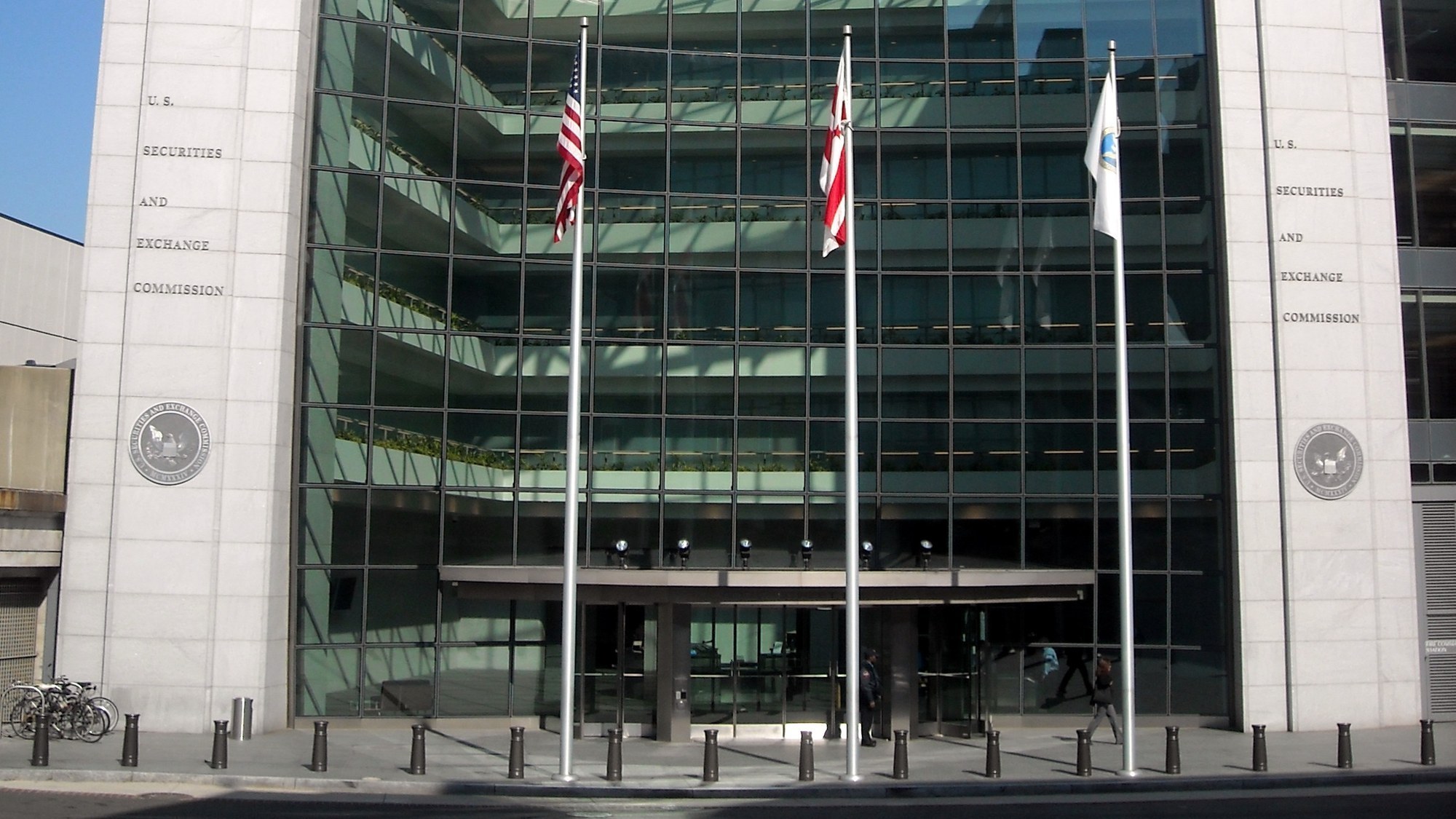
Separately, the SEC charged SafeMoon and its executive team with fraud and the unregistered offering of crypto securities, according to the agency’s enforcement announcement. That civil complaint described misleading statements about SafeMoon’s tokenomics and alleged that proceeds were used for personal spending rather than project development. The SEC’s theory of the case rests on the idea that SafeMoon tokens were offered as investment contracts, placing them within the securities framework and subjecting the project to disclosure and registration obligations that the defendants allegedly ignored.
Three defendants were named in the original indictment: Karony, Kyle Nagy, and Thomas Smith. The charges against all three included securities fraud conspiracy, wire fraud conspiracy, and money laundering conspiracy. Karony is the first to be sentenced. Court records for Nagy and Smith have not produced public sentencing dates as of the available filings, and their cases remain on the docket in the Eastern District of New York. How judges ultimately sentence the remaining defendants will help define whether Karony’s 100-month term is treated as a benchmark or an outlier for token-fraud cases.
Unanswered questions after the SafeMoon sentencing
Several gaps in the public record still matter. One unresolved issue is the extent to which individual investors will see any recovery. The forfeiture order directs Karony to surrender assets tied to the scheme, but forfeiture is not the same as restitution, and it is unclear how much, if any, of the seized value will flow back to retail buyers who purchased at inflated prices. Parallel SEC proceedings could eventually produce a distribution plan, but no detailed roadmap has been made public in the available filings.
Another open question is how much responsibility will be assigned to co-founders and promoters who helped build SafeMoon’s public image. The indictment alleges that Nagy and Smith participated in the same core misrepresentations about locked liquidity and the use of project funds. Their eventual outcomes-whether at trial, by plea, or through negotiated resolutions-will signal how aggressively authorities intend to pursue non-CEO insiders in similar token projects.
The case also leaves broader regulatory questions. SafeMoon operated in a space where many token issuers insist they are outside traditional securities laws. By charging both fraud and unregistered-offering violations, the SEC has signaled that it views at least some meme tokens as falling squarely within its jurisdiction. How courts handle those arguments in the civil case may influence future enforcement against other projects that market themselves as community-driven while central insiders retain decisive control.
For now, Karony’s sentence stands as a warning that crypto branding and complex tokenomics do not shield executives from conventional fraud and money laundering charges. Investors, meanwhile, are left to scrutinize who actually controls the wallets and contracts behind any token they buy-and to assume that if those answers are vague, the legal risks may be higher than the marketing admits.