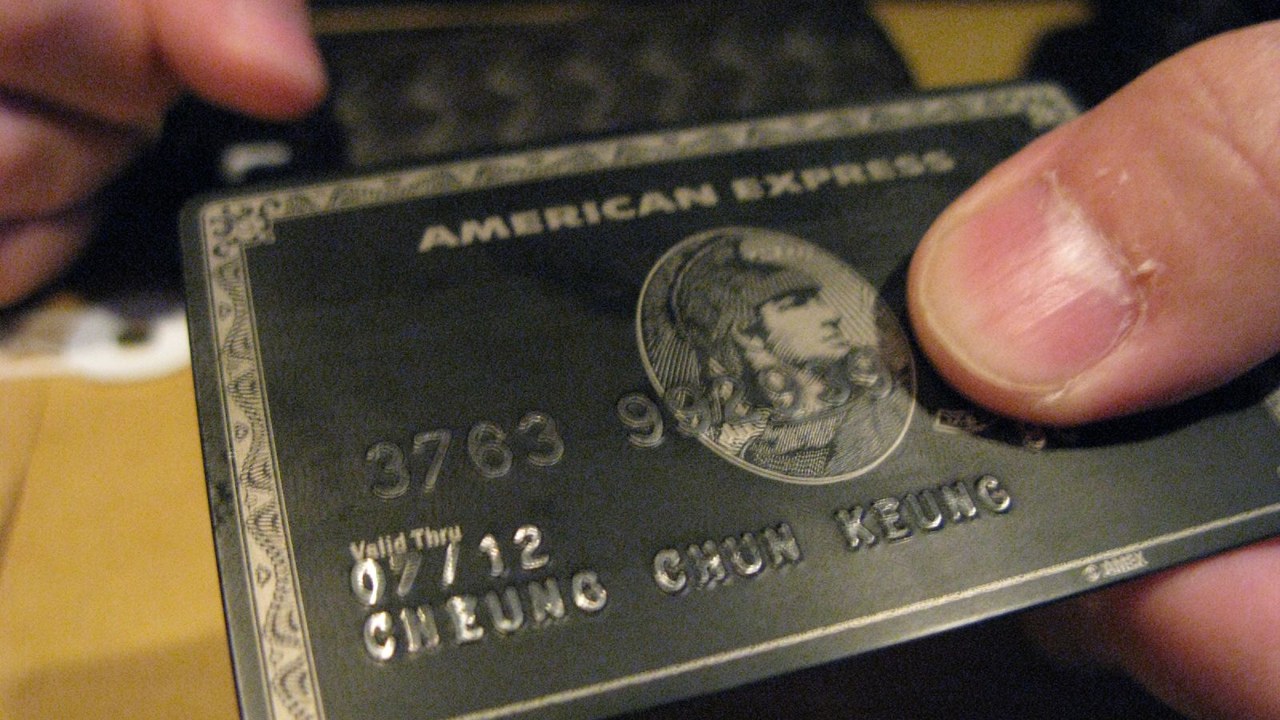
The Federal Reserve and the Office of the Comptroller of the Currency took separate enforcement actions against American Express on October 8 over failures in its money-laundering controls. The OCC ordered the company’s national bank to pay a $350 million civil money penalty. The Fed issued its own order against the parent company without a fine.
Two regulators, two orders
The Federal Reserve’s announcement said American Express had failed to “sufficiently detect and report certain suspicious activity related to money laundering.” It cited significant deficiencies in how the company’s enterprise-wide anti-money-laundering program was implemented, particularly at its subsidiary national bank. The release stated no penalty.
The Fed’s consent cease and desist order runs against American Express Company and American Express Travel Related Services Company, both registered bank holding companies. The order says the companies neither admitted nor denied the allegations. It imposes no civil money penalty.
The OCC acted against American Express National Bank in Sandy, Utah, which it regulates. It issued a consent cease-and-desist order and the $350 million civil money penalty, payable to the U.S. Treasury. The Fed order says the OCC action covers violations of the Bank Secrecy Act and anti-money-laundering rules.
Comptroller of the Currency Jonathan Gould said the OCC expects banks of American Express’s size and complexity to devote sufficient resources to compliance. He also said the company failed to maintain a program properly aligned with the money-laundering risks it faced. Those are the OCC’s findings, made in a consent order.
What changed this year: Social Security and Medicare change every year, and nobody sends you a memo. The Retirement Money Brief breaks down what changed and what to do. Bonus when you subscribe: our 2026 Government Check Reality Tracker.
Get the Brief and the check tracker →
We may earn a commission from links on this page.
What the OCC says went wrong
The OCC says the bank’s systems failed to identify, evaluate and sufficiently report roughly $13 billion in suspected trade-based money laundering over the past decade. Trade-based laundering moves illicit money through the buying and selling of goods. The agency said the failures were systemic breakdowns in suspicious-activity monitoring and reporting.
The OCC listed a string of control gaps. It cited inadequate resources, including staff without enough expertise, weak independent testing and weak training for employees and directors. It also found customer due diligence and customer identification procedures that contributed to the monitoring failures.
One finding goes to the heart of the business. The OCC says the bank’s risk assessment focused on its demand deposit products and gave too little attention to its “more dominant credit and charge card products.” In plain terms, the largest part of the bank was the part its money-laundering risk review looked at least.
What the Fed ordered American Express to fix
The Fed order says recent assessments by the Federal Reserve Bank of New York found significant deficiencies in the company’s financial crimes risk management program. It names transaction monitoring, fraud referral processes and third-party risk assessment among the weak spots. The Board found the company failed to timely and sufficiently detect, investigate and report certain suspicious activity.
American Express has 90 days from the October 8 effective date to deliver three written plans to the Reserve Bank. The company’s board must submit a plan covering senior management accountability, resources, program management, and escalation and reporting. A second plan must improve the enterprise-wide anti-money-laundering program, and a third, from Travel Related Services, must address compliance with sanctions rules run by the Treasury’s Office of Foreign Assets Control.
The anti-money-laundering plan has to cover six areas: policies, transaction monitoring, customer due diligence, suspicious activity reporting, oversight of network, ATM and third-party partners, and timely escalation of risks. Once the Reserve Bank approves a plan, the company has 10 days to adopt it. A plan cannot be changed without Reserve Bank approval.
Progress reports follow every quarter, starting within 45 days after the end of the first full calendar quarter after the order. The order also bars the companies from retaining certain individuals who, based on an investigative record from 2024 to the present, took part in the misconduct, faced formal discipline and then left. The Reserve Bank can grant extensions at its sole discretion.
The order also requires American Express and Travel Related Services to keep giving the Fed substantial assistance. That includes documents, testimony and the identification of witnesses, with best efforts to make current and former personnel available for interviews or sworn testimony.
What it means for cardholders
Neither regulator describes any harm to cardholders. The OCC release does not say how many customers were affected, and the Fed announcement states no customer remedy. The orders concern the company’s controls and what it must do to fix them, not accounts or balances.
The money of the penalty goes to the Treasury, not to customers. No refund or claim process appears in either regulator’s announcement. A cardholder has no deadline to meet and no form to file.
What the orders do show is where scrutiny now sits. The Fed will receive written plans and quarterly progress reports, and the OCC order runs alongside them, with copies of OCC order reports going to the Reserve Bank. The 90-day mark for the first three plans falls in early January 2027.
Which household costs can be cut while the orders play out?
The orders target American Express’s compliance program, and no cardholder has a claim or a deadline to meet. The costs that do press on a household, such as groceries, drugs and heating, have programs of their own that pay only after someone applies.
This story is about a card issuer’s compliance failures, and The Benefits Checklist covers the related household-cost job. It scans 11 benefit programs, lists the 2026 income limits and includes a 50-state phone directory, with a printable tracker for the applications worth filing.
Get the household benefits checklist for 2026 →
More Financial Reading
- 21 Ways to Stretch a $2,087 Social Security Check
- 15 Places to Find Your Share of the $4.25 Billion States Give Back
- 21 Ways Retirees Can Raise $1,000 Fast Without a Job
This article was produced with AI assistance and edited for accuracy against the sources linked above.