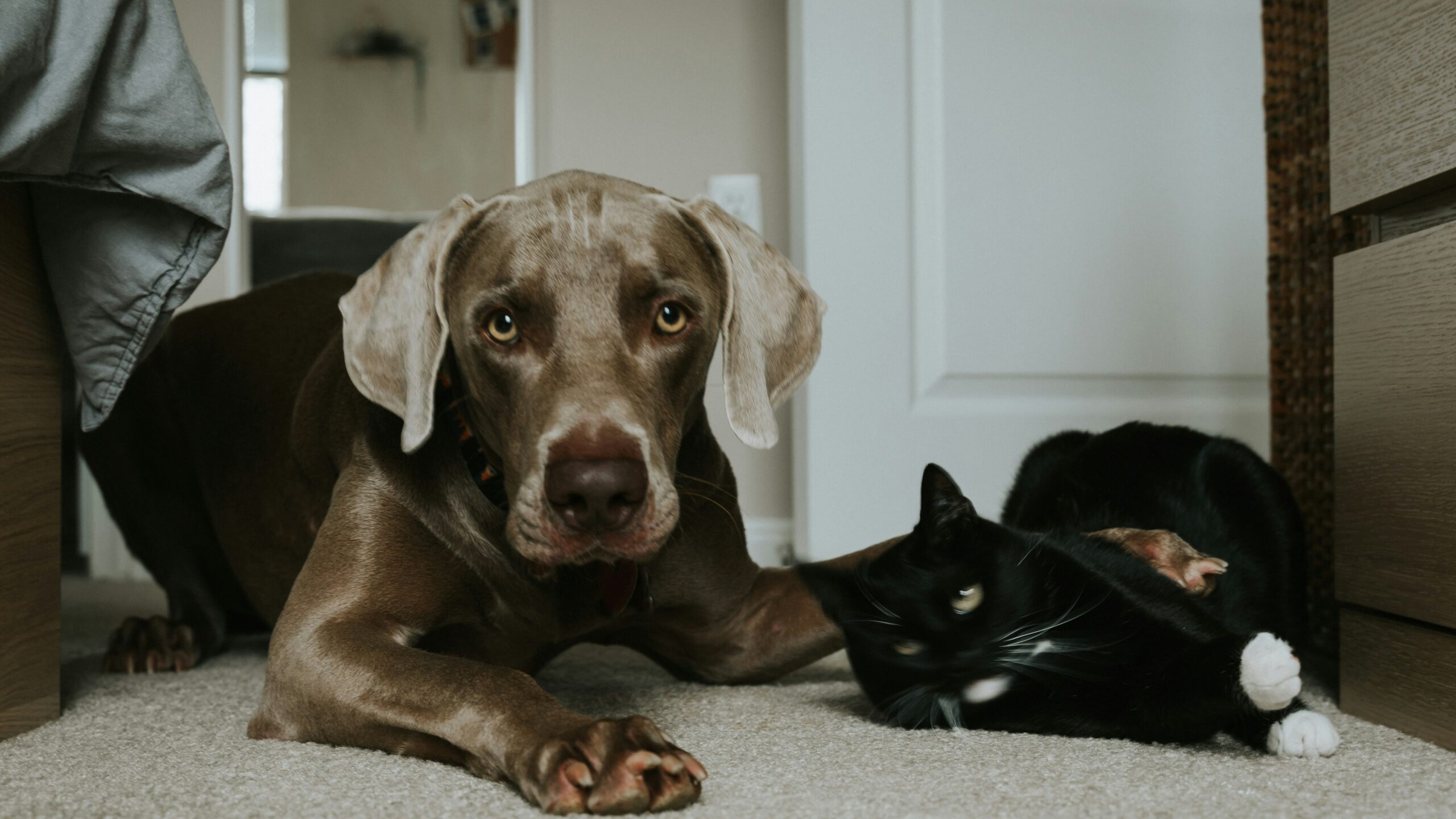
Pet owners searching for a lost dog or cat now face a new threat: scammers armed with AI tools that can generate fake photos and videos showing a missing animal in distress. The Federal Trade Commission flagged this tactic in a June 2026 alert, warning that fraudsters steal real pet images posted online and use artificial intelligence to fabricate convincing proof that they have the animal. Victims are then pressured to pay through gift cards, payment apps, cryptocurrency, or wire transfers, all methods that make recovering money nearly impossible.
How AI-generated pet images fit a $12.5 billion fraud surge
The FTC’s warning arrives against a backdrop of rapidly growing fraud losses. Consumers reported losing $12.5 billion to fraud in 2024, with imposter scams ranking as the most commonly reported type. Reported losses to imposter scams alone totaled $2.95 billion, and losses sent via bank transfer or cryptocurrency exceeded all other payment methods combined.
Pet-related deepfake scams slot directly into this imposter category. In one common version, a caller or texter claims to work for an SPCA or animal shelter, says a pet has been found injured, and demands immediate payment of $500 for emergency veterinary care. The urgency is deliberate: scammers know that a panicked owner is less likely to pause and verify the story. The FTC has already warned that
Public pet photos as raw material for deepfake extortion
One question the FTC’s alert raises but does not answer with data is whether pet owners who share high-resolution images on public social media accounts face higher rates of these AI-driven attempts. The logic is straightforward: scammers need source material to build a convincing fake, and a public Instagram or Facebook profile full of clear, well-lit pet photos provides exactly that. Owners who limit image sharing or restrict their accounts to friends-only audiences give fraudsters less to work with.
No federal agency has published complaint data isolating AI-generated pet images from traditional impersonation scripts. The FTC’s June 2026 pet-scam guidance confirms that scammers steal or manipulate pet images and videos and may use AI to create fake media, but it does not break out how many complaints involve deepfakes versus simpler cons. That gap matters because it leaves the scale of the AI-specific problem unmeasured, even as the agency treats AI-enabled impersonation as serious enough to justify proposed rules that would strengthen protections against AI-driven fraud targeting individuals.
Still, the incentives are clear. A scammer who can text a distressed owner a realistic video of what appears to be their dog on an exam table, whimpering and bandaged, has a stronger emotional lever than one who offers only a verbal description. Even if only a fraction of victims pay, the low cost of generating AI images and videos makes the scheme profitable.
How to spot a deepfake pet scam in progress
Because these cons lean on urgency, slowing down is the first line of defense. Pet owners who receive a call or text claiming their animal has been found should hang up or stop responding and independently look up the shelter or clinic’s official phone number. Calling back through a verified line, not a number supplied in a text, can quickly expose an impostor.
Visual “proof” should not override basic verification. AI-generated photos may show odd details: slightly distorted collars or tags, inconsistent fur patterns, or backgrounds that do not match the local area. Videos might have unnatural blinking or stiff movements. Any demand for payment through gift cards, cryptocurrency, or peer-to-peer payment apps before an in-person reunion is a red flag, especially if the caller refuses to meet or allow a live video chat that shows both the pet and facility signage.
Owners can also preempt some risks by being selective about what they post. Avoid sharing close-up shots of tags that display your phone number or address, and consider limiting public access to albums that include distinctive markings or your home’s interior. When posting in lost-pet groups, you can withhold one or two identifying details-such as a small scar or unique pattern-and use those later to verify that a finder is legitimate.
What to do if you’re targeted
Anyone who suspects a deepfake pet scam should stop communicating with the caller, refuse payment, and document the interaction with screenshots and call logs. The incident can be reported to the FTC and local law enforcement, which helps agencies track emerging tactics and potentially warn others in the community.
If you have already sent money, contact your bank, card issuer, or payment app immediately to ask whether a transaction can be reversed or flagged. While recovery is often difficult with irreversible methods like cryptocurrency, rapid reporting sometimes improves the odds. If a scammer has obtained personal information such as your Social Security number, date of birth, or account credentials during the exchange, you should also take steps to protect yourself from identity theft by using tools and guidance available at IdentityTheft.gov.
AI will continue to make fake images and videos cheaper and more convincing. For pet owners, that reality makes it more important than ever to treat any unexpected message about a found animal with caution, insist on independent verification, and remember that no legitimate shelter will force you to choose between your pet’s safety and an immediate, untraceable payment.