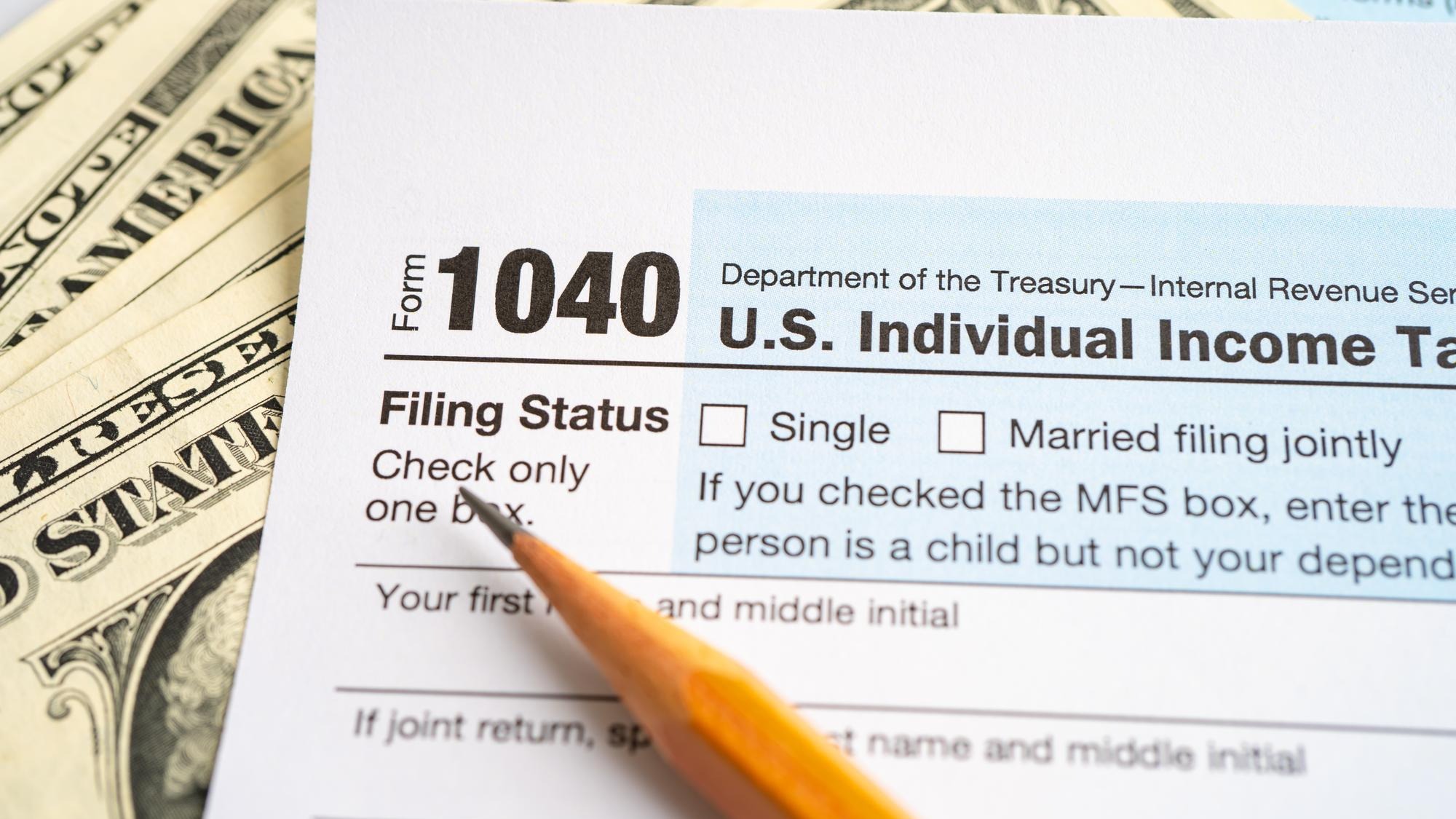
Millions of taxpayers filed their 2025 returns this spring expecting a refund check in the mail. It is not coming. Not automatically, anyway.
Starting with the 2026 filing season, the IRS no longer mails paper refund checks by default. If your return posted without direct deposit information, the agency processes it, calculates what you are owed, and then holds the money. You will receive a notice in the mail telling you to provide bank account details online. Until you do, your refund sits frozen at the IRS.
This is not a processing delay or a system error. It is a deliberate policy shift, and it has already caught filers off guard.
Where This Policy Came From
The change stems from Executive Order 14247, signed on March 25, 2025, which directed the federal government to phase out paper Treasury checks across all agencies. The Bureau of the Fiscal Service began the formal transition on September 30, 2025, and the IRS applied the new protocol to individual tax refunds for the 2026 filing season.
The policy rationale centers on fraud prevention and cost savings. According to the Bureau of the Fiscal Service, paper checks are 16 times more susceptible to fraud than electronic payments. Check washing, mail theft, and forged endorsements have driven significant losses for both the government and individual taxpayers, as documented in annual reports from the Government Accountability Office and the Treasury Inspector General. Electronic deposits eliminate most of those vulnerabilities.
The IRS has also framed the shift as part of its broader modernization effort. In a 2026 filing-season progress report, the agency described the season as “progressing smoothly,” pointing to heavy reliance on e-filing and direct deposit as evidence that electronic delivery is now the norm.
How the Refund Freeze Actually Works
The mechanics are straightforward, even if the consequences are not. When a return is accepted without direct deposit details, the IRS sends a notice called CP53E. That notice gives the taxpayer 30 days to log in to their IRS Online Account and enter bank routing and account numbers.
If you add the information within that window, the refund is released electronically. If the 30 days pass without action, the IRS defaults to issuing a paper check, but that check does not go out for roughly six additional weeks after the deadline expires. For a filer who e-filed and expected the standard 21-day turnaround, that could stretch the total wait to two months or more.
One critical restriction: IRS employees cannot enter or change bank account information on a filer’s behalf. The taxpayer must do it themselves through the online portal. There is no phone-based workaround for submitting banking details.
If a taxpayer enters incorrect bank details, the refund may be sent to the wrong account or bounce back to the IRS. In either case, the process of reissuing the payment adds weeks to the timeline. The IRS does not automatically retry a failed deposit; the taxpayer must log back in, correct the information, and wait for the refund to be reprocessed.
The Taxpayer Advocate Service confirmed this framework in a January 2026 advisory, describing it as a standard workflow: refunds are held until the taxpayer either updates banking details online or passively waits for the fallback paper check. The hold is automatic, not discretionary.
Who Gets Caught in the Freeze
On the surface, the impact looks narrow. According to IRS data cited in the agency’s 2025 filing-season progress report, over 98% of the roughly 57 million refunds issued during that season (returns filed in early 2025 for tax year 2024) went out electronically through direct deposit. But that remaining sliver still represents hundreds of thousands of people, and they are not randomly distributed across the population.
Filers who rely on paper checks skew heavily toward populations least equipped to navigate an online portal: elderly taxpayers, rural filers with limited broadband access, and the roughly 4.5 million U.S. households that the FDIC classified as unbanked in its most recent national survey, published in 2023.
The online portal itself presents its own barrier. Setting up an IRS Online Account requires identity verification, which typically means creating or logging into an ID.me account with a government-issued photo ID and access to a phone or email on file. For filers who have never done this, the process can take days, not minutes, eating into the 30-day window before it even starts.
Treasury regulations under 31 CFR Part 208 do include waivers and exceptions for people who cannot receive electronic payments. And programs like the FDIC’s Bank On initiative offer low-cost accounts specifically designed for this transition. But as of June 2026, no public data shows how many unbanked taxpayers have actually enrolled through these routes during the current filing season. The safety net exists in policy. Whether it is catching people in practice remains an open question.
What to Do If Your Refund Is on Hold
If you filed a 2025 return without direct deposit information and are expecting a refund, here is what to do now:
- Watch your mail for a CP53E notice. It will specify your 30-day deadline to provide bank details. Do not ignore it or set it aside.
- Set up or log in to your IRS Online Account. You will need to verify your identity through ID.me, which requires a government-issued photo ID and access to a phone or email on file. If you do not already have an account, start the process immediately. Verification can take several days.
- Enter your bank routing and account numbers carefully. Double-check both. An incorrect number can redirect your refund to the wrong account or cause it to bounce back to the IRS, adding weeks to the process.
- If you do not have a bank account, look into a Bank On-certified account through a local bank or credit union. These accounts are designed to have no overdraft fees and low minimum balances. Some tax preparation services also offer prepaid debit card options that can receive direct deposits.
- If you miss the 30-day window, a paper check will still be issued, but expect it roughly six weeks after the deadline passes. That could push your total refund wait well beyond two months from the date you filed.
- If you cannot use the online portal at all, contact the Taxpayer Advocate Service for assistance. TAS can intervene on behalf of taxpayers facing hardship or systemic barriers.
The Numbers the IRS Has Not Released
The IRS has not published granular data on how many CP53E notices it has sent during the 2026 filing season, how many frozen refunds have been resolved through online updates, or how many filers have ended up waiting for the six-week paper fallback. Without those figures, the mechanics of the freeze are clear, but the scale of the disruption is not.
What is certain: the default experience of filing a return and waiting for a check in the mailbox no longer exists. For anyone who filed without direct deposit information this year, the refund is not lost. But it will not move until you log in and tell the IRS where to send it.