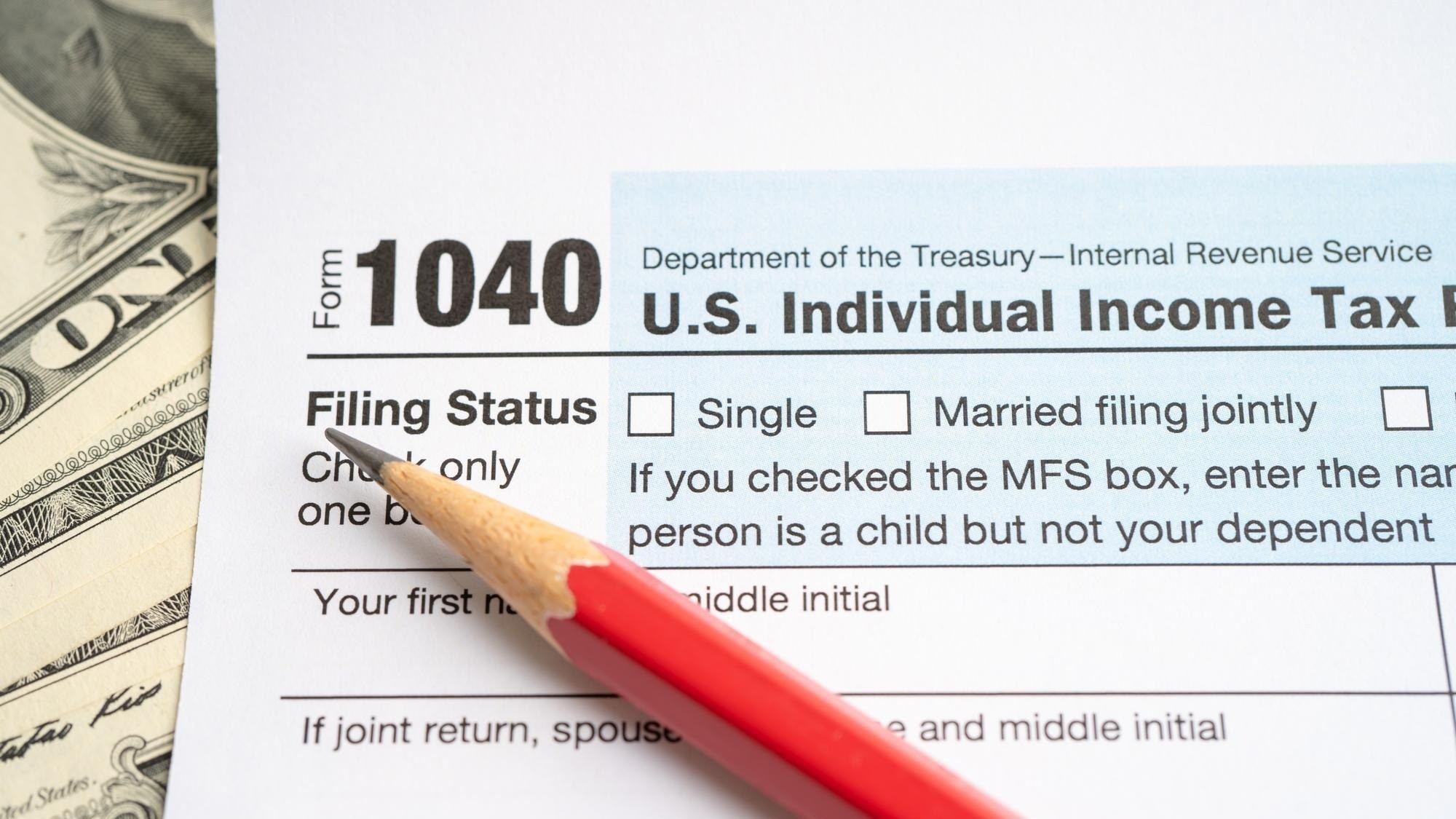
Taxpayers who claim the Earned Income Tax Credit, a benefit designed for low- and moderate-income workers, face IRS audit scrutiny at rates roughly five times the average for all other filers. That disparity persists even as overall audit rates have fallen for years and even as federal policy has directed new enforcement resources toward taxpayers earning above $400,000. The gap is driven largely by the type of examination the IRS uses for EITC returns: automated, correspondence-based reviews that require far less staff time than the complex field audits applied to high earners.
How low-cost mail audits keep EITC filers in the crosshairs
The core tension behind the audit-rate gap is operational, not ideological. When the IRS flags an EITC return, it typically sends a letter asking the filer to verify income, filing status, or qualifying-child information. These correspondence exams can be opened, processed, and closed without an agent ever speaking to the taxpayer. The Government Accountability Office found that EITC exams are largely correspondence-based and less time-intensive than examinations of higher-income returns, which often require field agents, forensic accounting, and months of back-and-forth with legal counsel.
That efficiency creates a self-reinforcing cycle. A single IRS employee can initiate dozens of EITC correspondence cases in the time it takes to advance one high-income field audit. Because the agency measures productivity partly by cases closed, the mail-based model generates volume that keeps EITC audit rates elevated relative to other income groups. The same GAO work documented long-run declines in IRS audit rates across the board, yet the share of audits falling on low-income EITC claimants stayed disproportionately high.
Treasury has stated a policy goal of focusing new enforcement funding on taxpayers earning above $400,000. A brief from the Congressional Research Service noted that target in its review of audit distribution, but the CRS data, drawn from IRS Data Book Pub. 55-B Table 17, still show EITC claimants audited at higher rates than all but the highest-income taxpayers. The policy aspiration and the operational reality have not yet converged, in part because the infrastructure for inexpensive mail audits is already in place while more complex examinations require years of hiring and training.
What IRS audit data and outcomes reveal
The clearest evidence comes from three federal sources that independently confirm the same pattern. The CRS report cites IRS Data Book Table 17 as the basis for audit-rate figures and places EITC claimants near the top of the examination frequency ranking, exceeded only by the wealthiest filers. The GAO reached the same conclusion in its own review, adding that the correspondence format of EITC audits makes them operationally easier to launch at scale and cheaper on a per-case basis than in-depth reviews of pass-through businesses or complex investment income.
Outcome data add another dimension. The National Taxpayer Advocate, an independent office within the IRS, reported that FY 2022 closed EITC audits included high shares of cases ending in no change, no response, or taxpayer default. Those results, detailed in a recent taxpayer advocate report, suggest that many flagged returns either did not contain actual errors or involved filers who could not navigate the documentation demands of a correspondence exam. When low-income taxpayers fail to respond on time, the IRS often disallows the credit by default, creating tax debts that may not reflect underlying eligibility.
Researchers and journalists have also tied this pattern to the broader “tax gap” between what is owed and what is collected. Reporting in a major national newspaper has highlighted how resource constraints push the IRS toward easier, lower-dollar audits, even though the largest unpaid liabilities are concentrated among high-income individuals with complex returns. In this context, EITC correspondence exams function as a volume strategy: they are relatively cheap to conduct and generate quick adjustments, but they do little to close the gap driven by sophisticated tax avoidance.
Equity concerns and possible reforms
The concentration of audits on EITC recipients raises equity questions that go beyond raw enforcement statistics. The credit is targeted at workers with modest earnings, many of whom are single parents or part-time employees with unstable schedules. For these households, an unexpected audit letter can be intimidating and time-consuming, especially when it arrives months after a refund has already been spent on rent, utilities, or childcare. If the IRS later disallows the credit, the resulting balance due can trigger collection actions that deepen financial insecurity.
Advocates argue that the current model effectively shifts compliance burdens downward, subjecting low-wage workers to intensive documentation demands while higher-income taxpayers benefit from the scarcity of complex audits. The National Taxpayer Advocate has recommended clearer notices, expanded assistance for audited EITC filers, and more robust use of pre-refund matching to prevent avoidable disputes. Such steps could reduce the share of audits that end in default and help distinguish between intentional abuse and honest mistakes in a complicated credit.
At the same time, redirecting enforcement toward high-income noncompliance will require sustained investment in specialized staff, data analytics, and legal support. Until those capabilities are fully built out, the structural incentives that favor quick, low-cost EITC correspondence exams are likely to persist. The challenge for policymakers is to align operational practices with stated priorities, ensuring that efforts to close the tax gap do not fall disproportionately on the very workers the Earned Income Tax Credit is meant to support.