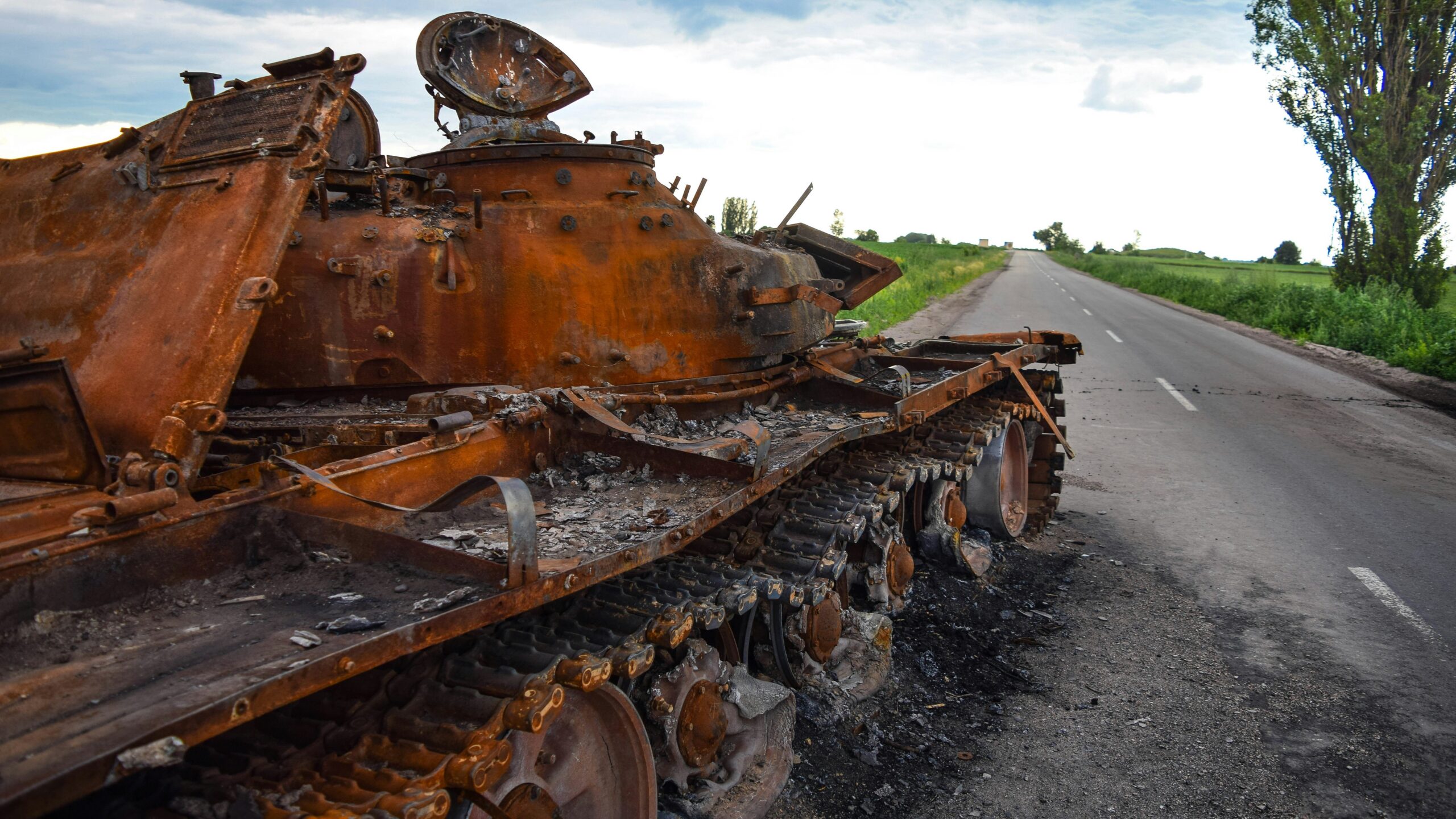
Defense Secretary Pete Hegseth told Congress on May 12 that the United States has lost 39 aircraft in its war with Iran and that the conflict has cost $29 billion so far, with $24 billion of that dedicated to replacing expended munitions and repairing or replacing damaged equipment. The figures, disclosed during a House Appropriations Defense Subcommittee hearing on the fiscal year 2027 budget, represent the most detailed public accounting of Operation Epic Fury’s financial toll to date.
The numbers drew immediate pushback. Roughly two weeks earlier, on April 28, Hegseth had told the House Armed Services Committee that the campaign had cost approximately $25 billion. A $4 billion increase in that span prompted lawmakers from both parties to question whether the Pentagon is providing reliable cost estimates or revising them on the fly. Rep. Ken Calvert, the subcommittee chairman, told Hegseth that the shifting figures made it “very difficult for this committee to do its job,” while ranking member Rosa DeLauro called the gap “deeply troubling” and pressed for a written reconciliation of the two estimates.
39 aircraft lost, and no public breakdown
The aircraft figure caught members of the subcommittee off guard. Several noted during the hearing that no prior Pentagon briefing had disclosed losses on that scale. Hegseth did not specify whether the 39 aircraft were fixed-wing fighters, helicopters, unmanned drones, or some combination, nor did he identify which service branches absorbed the losses. As of June 2026, the Department of Defense has not published a transcript or official release confirming the breakdown.
That missing detail changes the calculus dramatically. If the losses skew heavily toward advanced fighter jets, the damage to U.S. air power could take years and tens of billions of additional dollars to repair, given the limited production capacity for platforms like the F-35. A tally weighted toward surveillance drones or support helicopters would still be significant but far less costly to recover from. Without a public accounting, lawmakers and defense analysts cannot assess the true depth of the readiness gap.
The conflict’s broader status adds urgency to the question. With operations still ongoing as of late May 2026, the final aircraft loss count could climb further, making the composition of current losses all the more important for force planning.
What the $24 billion covers
Associated Press reporting from the hearing described the equipment and munitions line as the “vast bulk” of the war’s cost. That $24 billion encompasses destroyed or damaged weapons platforms alongside the precision-guided munitions, cruise missiles, and other ordnance expended during strikes. The remaining $5 billion covers operational expenses: deployment logistics, temporary basing, fuel, and personnel support.
The Pentagon has not released a line-item breakdown separating munitions replenishment from platform repair within the $24 billion, and the distinction matters. Munitions spending points to depleted stockpiles that could take years to rebuild. Production lines for key weapons, including the Joint Air-to-Surface Standoff Missile and Long-Range Anti-Ship Missile, were already strained before the conflict began, a vulnerability that the Government Accountability Office and multiple Pentagon officials had flagged in prior years. Platform repair, by contrast, suggests recoverable assets that can return to service faster, though still at considerable expense.
If a large share of the $24 billion reflects consumed ordnance rather than repairable hardware, the Iran war may have exposed the limits of the U.S. munitions industrial base under real combat conditions, not as a theoretical risk but as a measurable shortfall.
The supplemental spending question
Lawmakers at the May 12 hearing pressed Hegseth on whether the administration plans to submit a supplemental spending request to cover the $29 billion. As of late May 2026, neither the majority nor minority staff of the Appropriations Committee has posted materials confirming that a formal request has been drafted or transmitted to Congress.
Without a supplemental, the military services face a painful choice: divert funding from existing training, maintenance, and modernization accounts to cover war costs, or wait for Congress to act while readiness shortfalls deepen. Raiding the base budget could delay flagship programs already on tight schedules, including the B-21 bomber, the Sentinel intercontinental ballistic missile, and the Columbia-class submarine. Waiting for a supplemental means the Pentagon absorbs the financial strain month by month.
Members from both parties also asked whether allied nations have pledged direct cost-sharing for Operation Epic Fury. Nothing disclosed at the hearing indicated that partner contributions are forthcoming, leaving U.S. taxpayers on track to cover the full bill. That reality is set to collide with deficit concerns as Congress enters its summer appropriations cycle.
Why the cost keeps climbing
The pace of the escalation is itself telling. Hegseth’s $25 billion estimate at the April 28 Armed Services Committee hearing relied on preliminary battle damage assessments and early munitions accounting. The $4 billion jump by mid-May suggests either that the Pentagon was still catching up to losses already sustained or that the tempo of operations intensified between the two hearings, driving fresh equipment damage and further drawdowns of weapons stocks.
Both explanations lead to the same follow-up: Is $29 billion close to a final number, or another interim snapshot? Lawmakers pressed this point repeatedly during the hearing. Hegseth did not commit to a ceiling.
What is already visible is the trade-off taking shape in Washington. Every dollar spent replacing a lost aircraft or restocking a missile magazine is a dollar unavailable for the next-generation platforms the Pentagon says it needs to deter China. Operation Epic Fury’s costs are now large enough to force a direct competition between near-term combat needs and long-planned modernization. How Congress resolves that tension during this summer’s budget fights will shape U.S. defense posture well beyond the Iran conflict.